



Why We’ve Switched to IR Curing for Biosensors and Chips
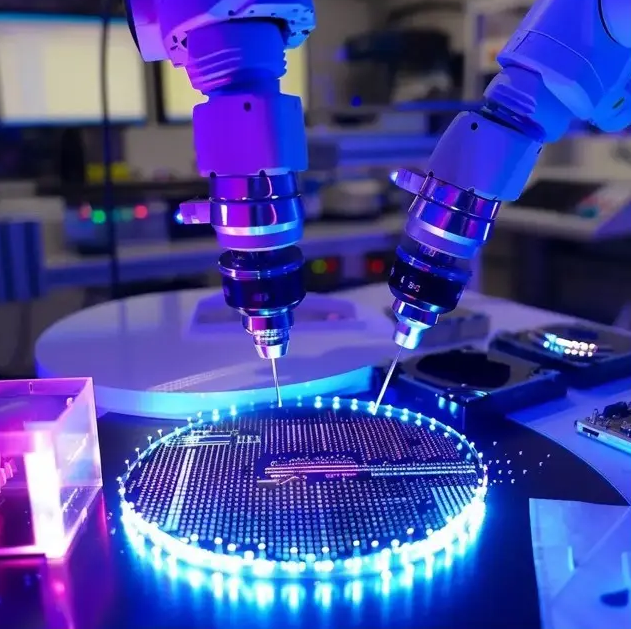
When you’re building biosensors, you’re walking a tightrope. You need enough heat to cure your polymers and lock those biological layers in place, but if you push it too far, you’ll fry the substrate. It’s a delicate balance. That’s why we use infrared (IR) lamps. Instead of blowing hot air around—which is messy and unpredictable—IR uses radiation. It hits the target directly. No forced air, no nasty chemical solvents, and most importantly, no weird residues left behind on your wafers.
The “Green” Side of Drying
Think about a traditional drying oven. You’re basically heating up a giant metal box just to warm up a tiny piece of hardware. It’s a massive waste of power. IR is different. It targets the product. The energy sinks right into the material and kicks off an internal reaction. Since you aren’t heating the air in the room, your energy bill drops. And for those of you dealing with lead-free semiconductor standards, you know the struggle. You have to keep temperatures low to stop solder from oxidizing or the substrate from warping. Shortwave IR handles this in seconds. You ramp up, you hit the temp, and you shut it off.**Instant.**No waiting around for the equipment to cool down.
The Real-World Trade-offs
Now, it’s not all magic. Integrating IR lamps into a production line means you’re dealing with some serious heat density. If you go with a high-wattage quartz lamp to speed things up, you can’t just slap it in a box. You need a solid heat sink and decent ventilation. If you skip that, the ambient heat starts to drift, and suddenly your sensor calibration is all over the place. But the payoff is worth it. We’ve been using these modules to replace those clunky old convection tunnels. Your machine footprint shrinks. Plus, since you aren’t using solvents, you can toss those expensive VOC scrubbers in the trash.
Keeping it Clean
If you’re chasing a “Green” certification, IR is probably the easiest win you’ll get. You’re swapping out fuel-burning systems or power-hungry ovens for a clean, electric radiative source. Zero emissions right where you’re working. You get to hit those environmental mandates without slowing down your throughput. It just works.