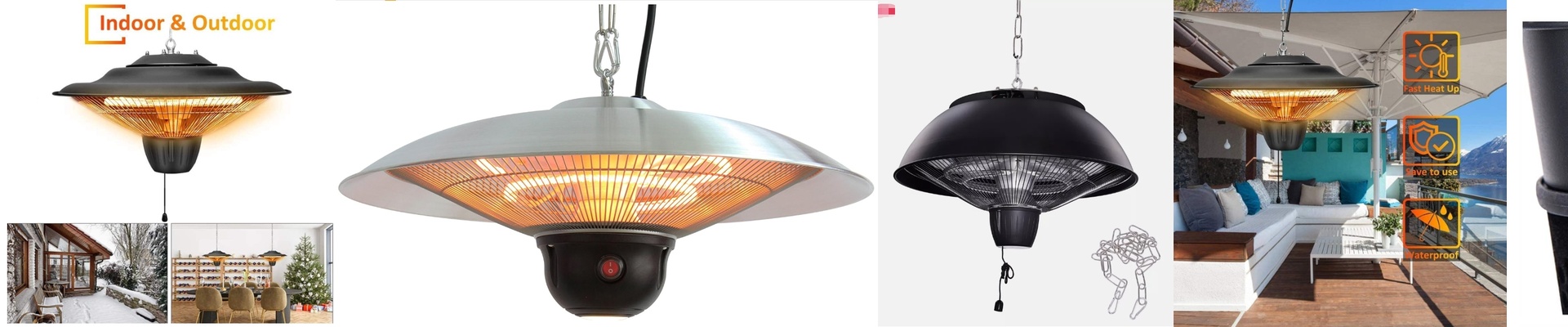
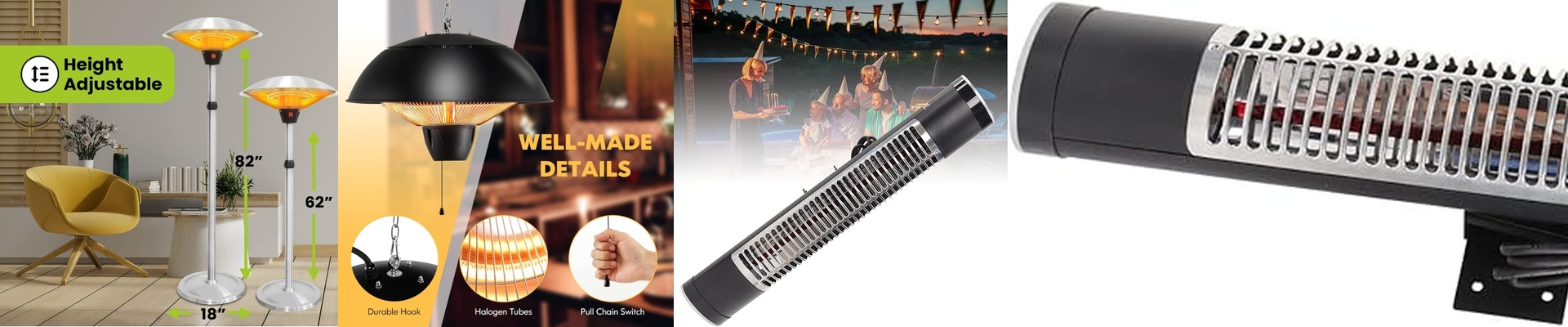
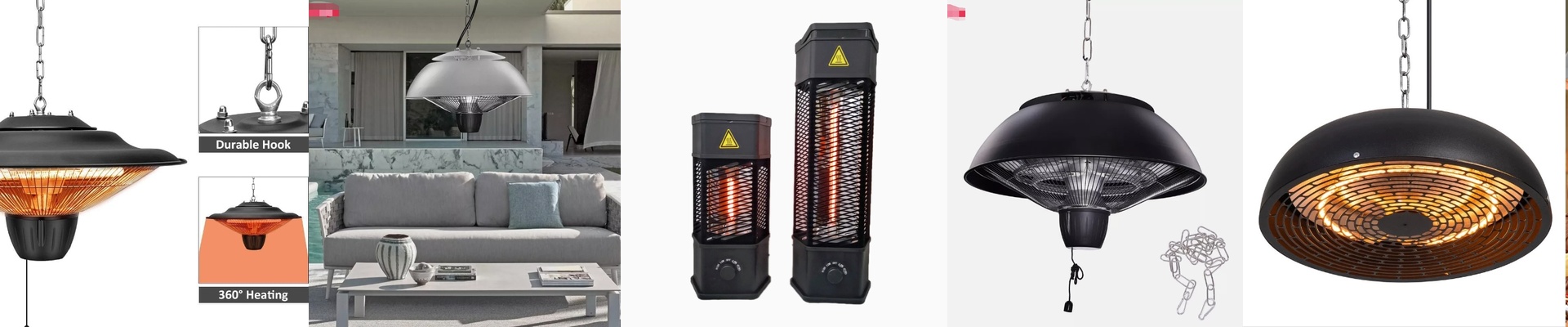
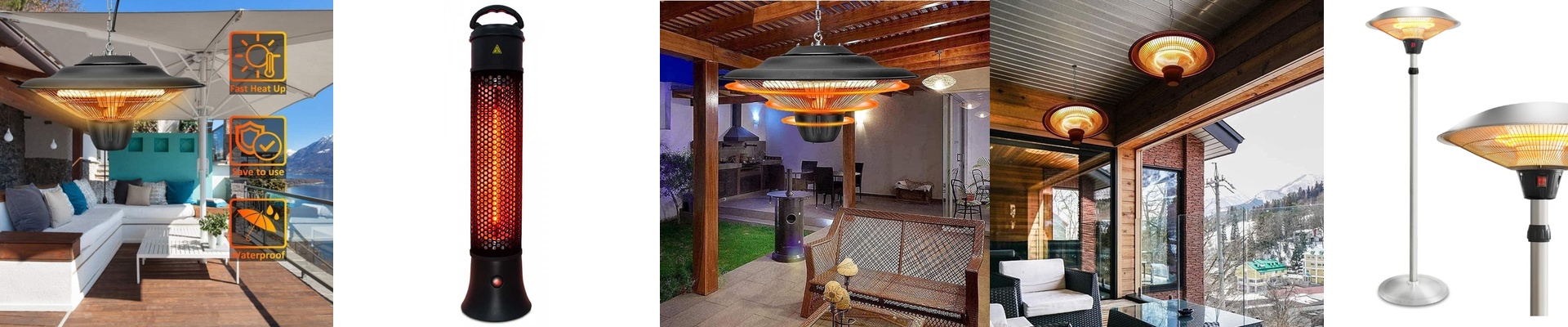
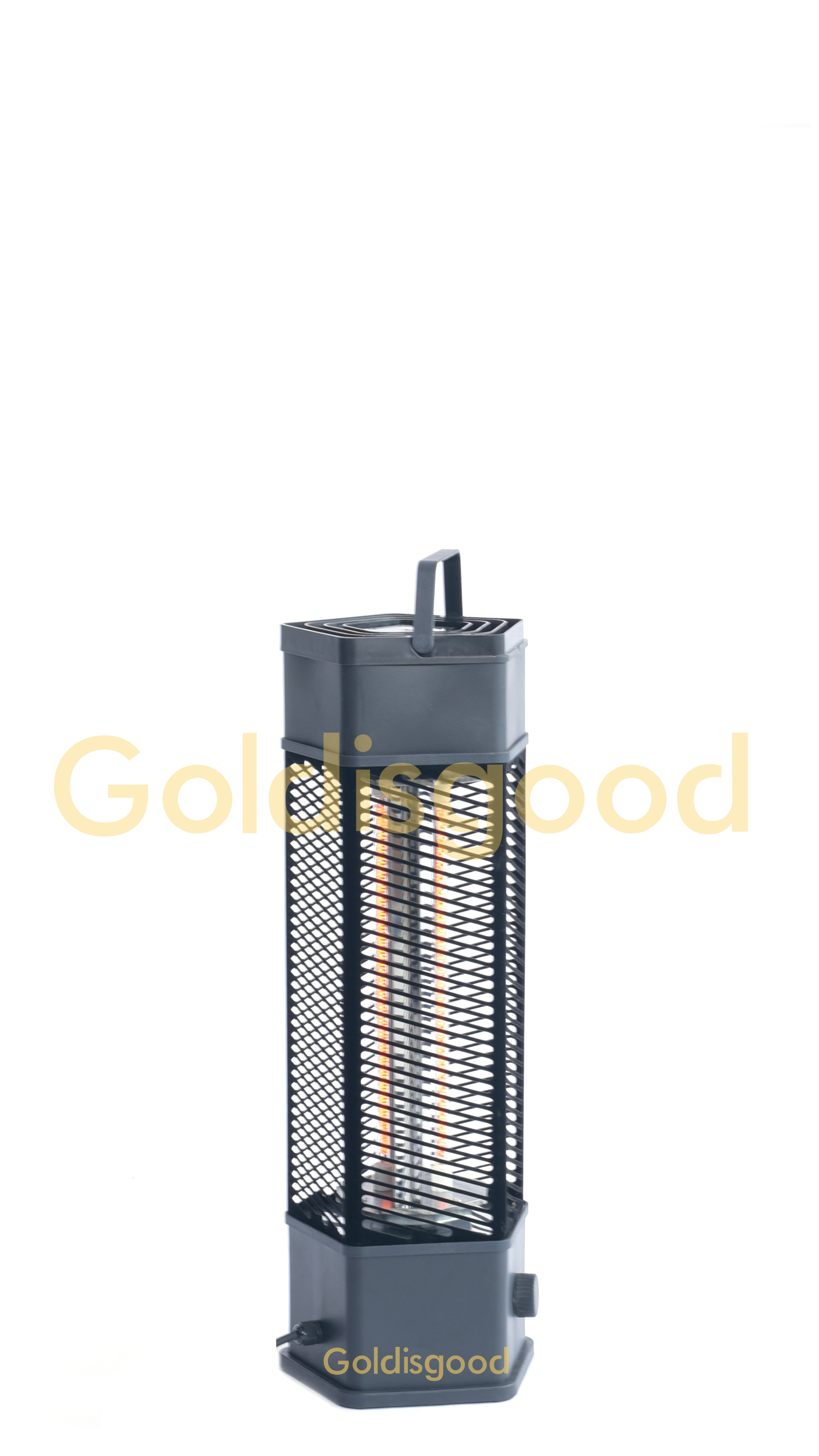
The Dimmable Patio Heater: Built for Real-World, Outdoor Warmth
Here’s the thing about heating up a big outdoor space. You don’t just need warmth, you need control. That’s what we focused on when we built these dimmable patio heaters. They’re for places like busy patios and industrial yards, where you need heat you can rely on, no matter the weather. The secret is the high-output halogen lamp. It throws out serious radiant heat, so it warms people and surfaces directly, not the empty air above. It’s powerful, but without all the bulk of a traditional heater.
The Power to Heat Up, Fast
These units run on standard mains power—typically 230V or 240V—and draw between 1.5kW and 2.5kW, depending on the model. That kind of power means the lamp gets hot almost instantly. No waiting around. The moment you flip it on, the warmth is there. And the dimming? It’s not just a fancy extra. It’s a smart way to control the heat. You adjust the filament temperature, which means you can dial the warmth up or down to match the crowd size or the weather. It’s a simple way to save energy and it’s easier on the heater, too.
The Tough Stuff: Built to Last
We use a quartz envelope for the lamp because it can handle the extreme heat and won’t crack from the shock of weather changes or power cycling. The halogen cycle inside does its part, too, keeping the quartz clear and the heat output steady over the life of the lamp. For the connection, we went with an R7s base. It’s the practical choice. It’s a solid, two-point contact that handles the high current, and it makes the lamp a simple, drop-in replacement when it’s time for a new one.
Where It Shines: Installation and Use
Think about a loading dock on a cold night, or a covered walkway. Convection heaters just don’t make sense out there. Radiant heat is the way to go, and this heater puts the warmth right where you need it. The design is compact, and the R7s wiring makes it easy to retrofit into an existing fixture. But there’s a trade-off to that power. Because it runs so hot, you need to make sure you have enough clearance and proper ventilation. If you’re running it at full blast for long stretches, the mounting hardware and the enclosure around it need to be rated for those high temperatures. It’s all about setting it up safely to get the most out of it.