
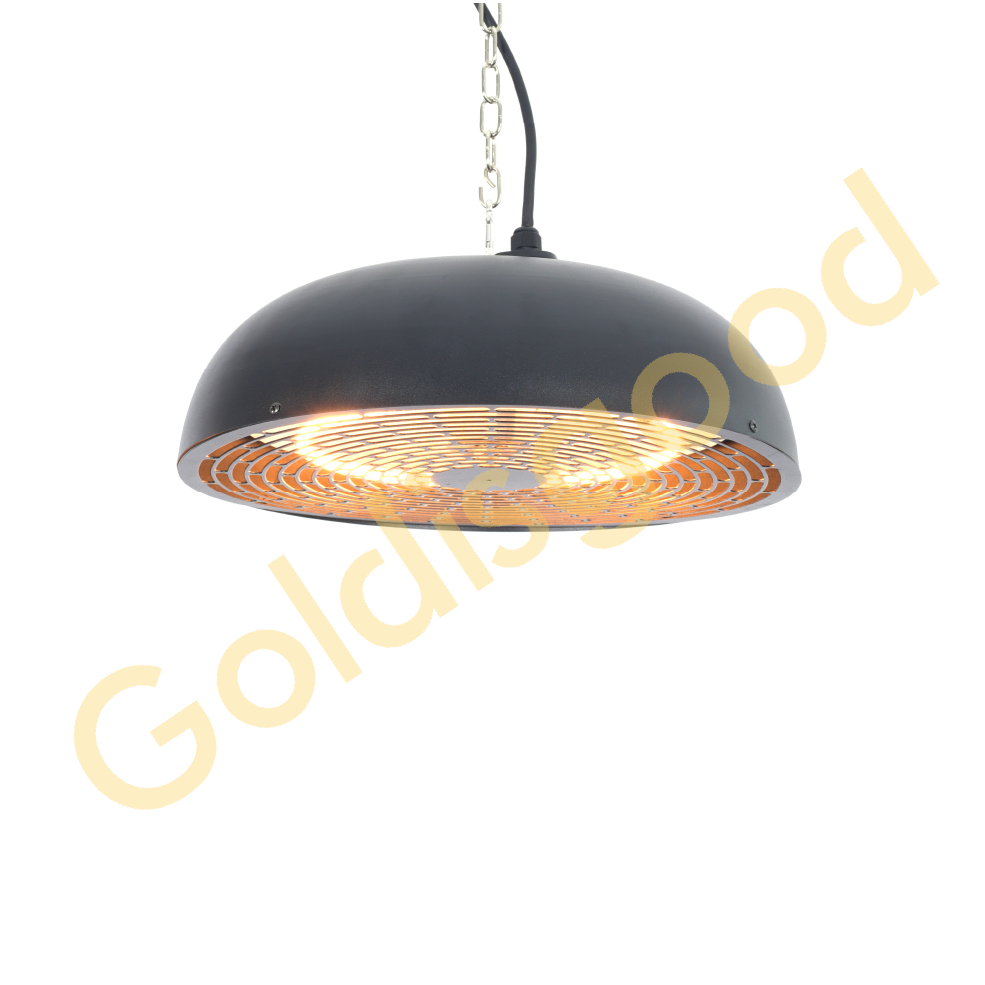
Freestanding Infrared Heaters: Power, Design, and Where They Shine
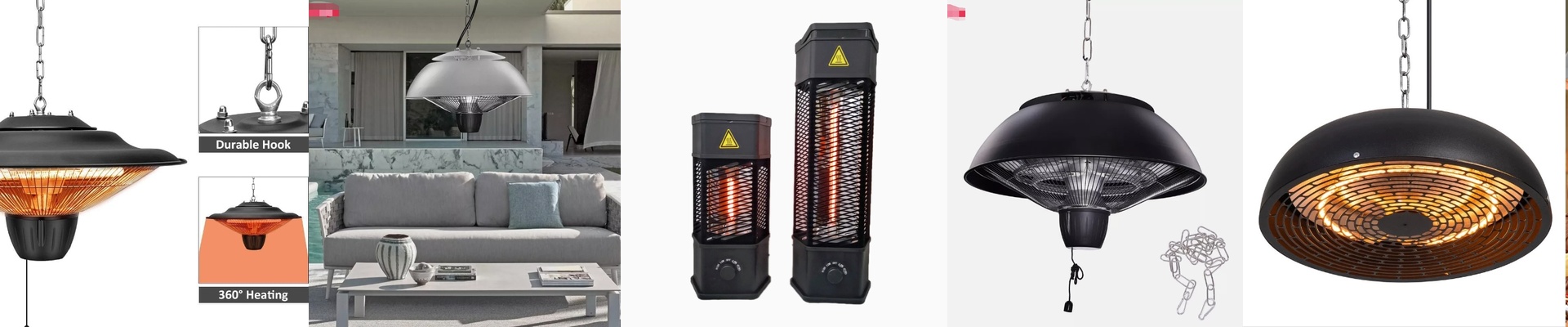
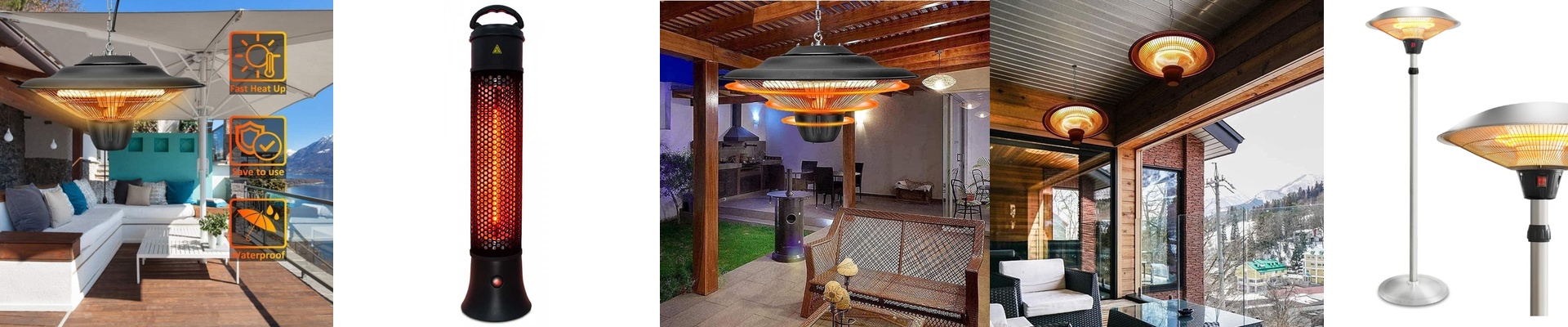
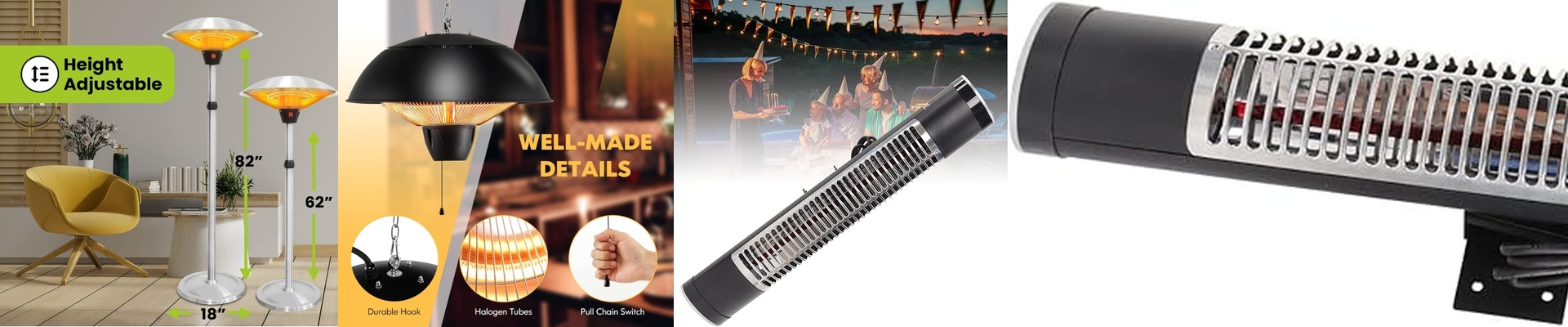
Let’s talk about freestanding infrared heating systems. We build them as standalone units, made for real industrial work. These aren’t for show. They’re tough, purpose-built machines that deliver focused heat exactly where you need it—without you having to rework your whole plant.
The power behind the heat
At the heart of the system is a high-output infrared emitter. It runs at 2500W and is designed for a 400V supply. That voltage rating means it can plug right into standard three-phase industrial power. The payoff? Lower current draw and less voltage drop, even over distance. The emitter itself is 300mm long. That size isn’t random—it concentrates the heat into a defined spot. You get a predictable heat profile, which makes it easy to slot into a production line or a drying station.
What’s inside—and how it connects
We use a halogen-filled quartz envelope to create the infrared spectrum. The filament inside runs hot, so the quartz has to handle extreme thermal shock without cracking. The tube also has a specialized coating that tunes the emissivity, pushing more energy into the target wavelength. The result is faster, more efficient heating. For the electrical connection, we go with an R7s base. It’s a bi-pin connector that gives you a solid, quick-connect fit. It holds up to vibration, so when the lamp eventually burns out, replacement is straightforward. Pop it in and get back to work.
Where it works—and what to keep in mind
These freestanding heaters shine in jobs like curing coatings, drying wet parts, or pre-heating plastics before forming. And because the unit stands alone, you can move the heat source around as your process evolves. Here’s the trade-off, plain and simple: that 2500W density puts out a lot of heat. You need to plan for proper ventilation and clearance around the unit. Get your cooling and airflow sorted upfront, or you’ll be dealing with thermal issues on the shop floor.