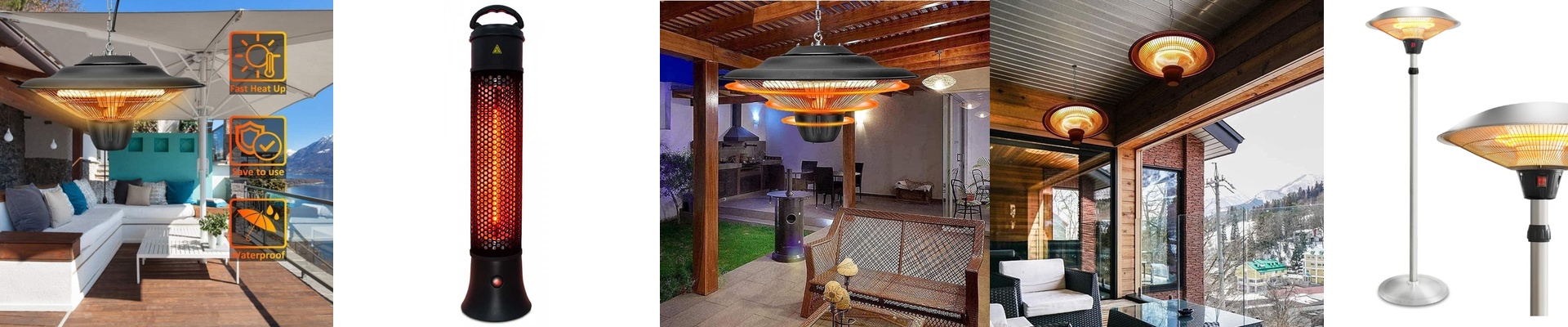
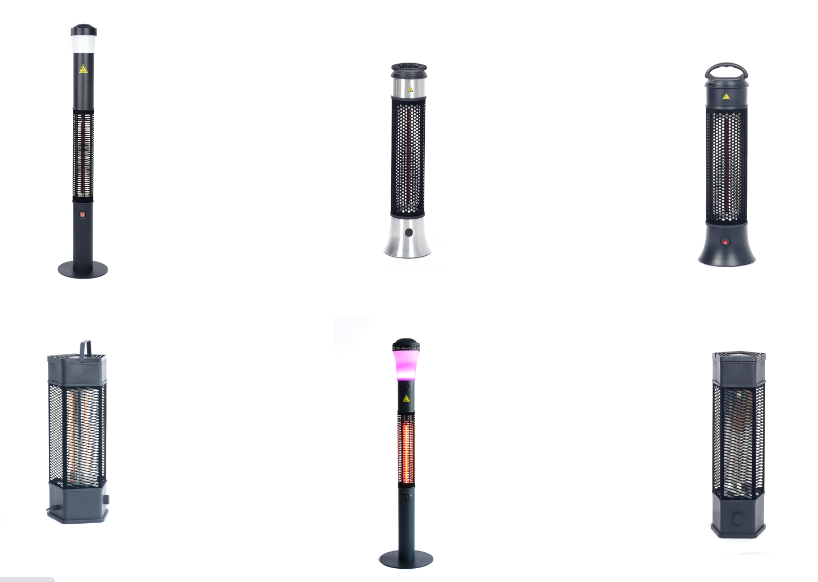
Large Room Heaters: 400V Halogen Power with R7s Plugs
Here’s the thing about heating a giant workshop or a warehouse bay: regular convection heaters just don’t cut it. They warm the air, sure, but the heat gets lost before it ever reaches the people or the machines that need it. That’s where these large room heaters come in. We built them around industrial-grade halogen tubes that throw off serious radiant heat. It’s direct, it’s focused, and it hits exactly where you need it—on specific zones, around equipment, in those tough, open spaces.
Power, Voltage, and the Real-World Numbers
These units run on 400V, the standard for industrial power, so they plug right into what you already have. The 2500W output packs a serious punch, giving you high heat density in a compact footprint. The tube is 300mm long, which concentrates all that warmth into a tight beam. What that means for you? Fast heat-up. A long throw distance. It’s the kind of heat that gets to work immediately. Just keep in mind, with this kind of concentrated power, you’ll want to make sure your electrical circuit and thermal setup are up to the task.
The Design: Built to Handle the Heat
Inside, the halogen element keeps the filament stable, even when things get scorching. The quartz envelope is tough enough to handle the thermal shock without cracking. And there’s a smart reflective coating inside the tube that directs more infrared energy forward. So instead of wasting heat, you get more of it where you need it. The R7s connector makes the whole thing simple. It’s a straightforward, two-pin setup. Wire it, lock it, and you’re back in business. Seriously, the replacement is a drop-in job that keeps downtime to a minimum.
Where They Shine (And What to Keep in Mind)
These heaters are made for the gritty stuff: big workshops, warehouse bays, machine cells. The kind of places that need heat right now, without the hassle of overhauling your entire ductwork system. Installation is clean and straightforward, so you’re not shutting down operations for days. And once they’re running, they deliver steady, reliable radiant heat. Now, because the heat is so concentrated, you need to plan for clearance. And it’s smart to have a ventilation plan to keep the ambient temperature around the lamp in check. But once you get that right, you have a heater that just gets the job done.