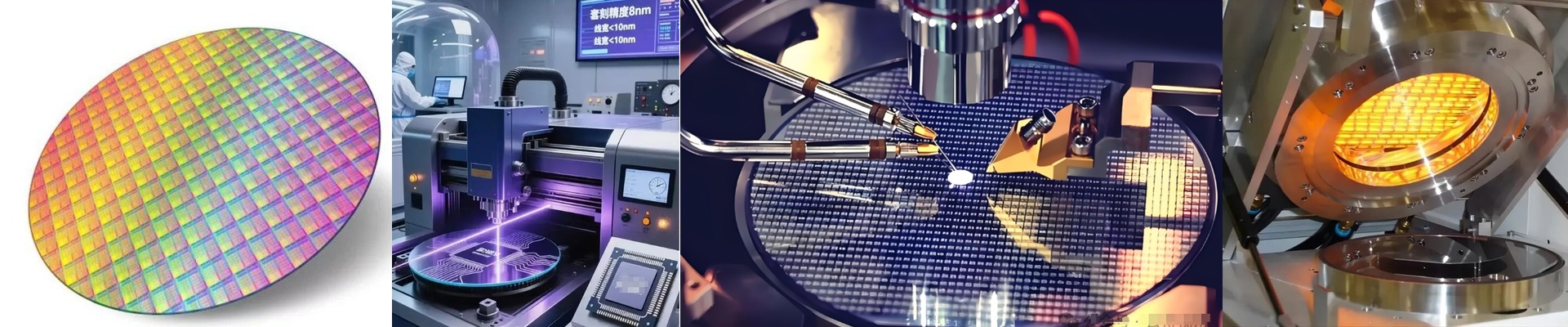
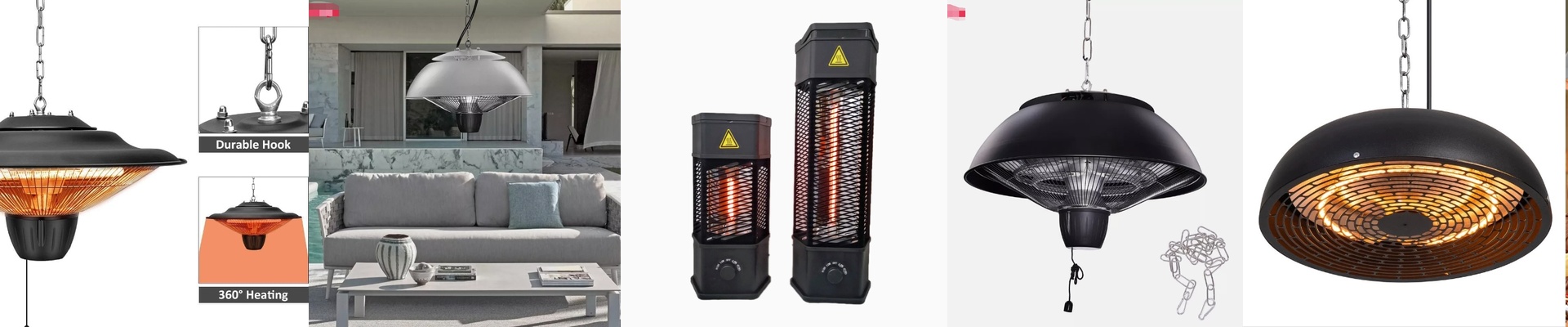

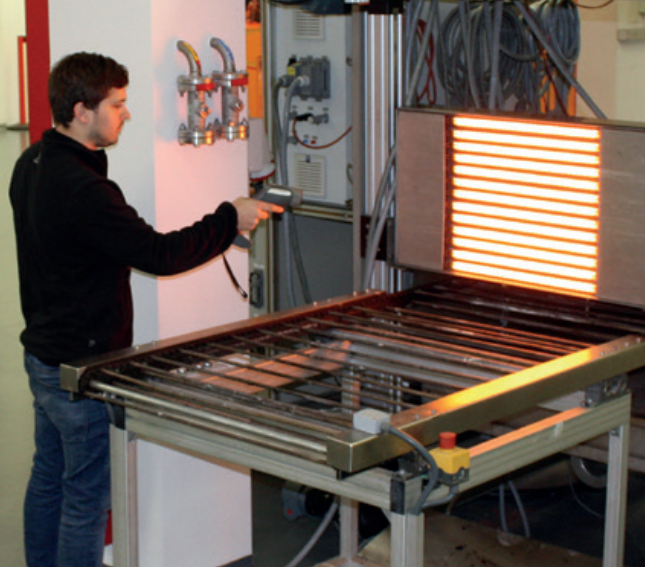
On the lithography floor, a soft bake that’s even a few degrees off can send critical dimensions drifting across the wafer. The heater isn’t just adding heat—it’s enforcing the thermal budget. And when a spare part goes south, yield starts slipping before the defect even shows up on the map.
What matters, technically
When we build heaters for semiconductor machinery spares, we anchor everything on repeatable temperature control. In practice, that means wafer-level thermal uniformity within ±0.1°C across the bake plate. The heater element is matched to the process window—short-wave, medium-wave, or NIR—so the energy profile lands on the photoresist without overshoot. You should see stable output after 5,000+ hours, with drift below 5%. These are cleanroom-ready specs: Class 1–100 compatible, low outgassing, and engineered for zero particle generation during thermal cycling. Power is matched to your line at 200–240 V, and the connectors are standardized so the swap is fast.
Why this matters in the fab
Photoresist processing isn’t one step—it’s a thermal sequence. Soft bake sets the solvent profile. Hard bake locks it in for etch and implant. Keep the spare heater stable and both steps stay in spec, day after day. The payoff is tighter critical dimension control, fewer rework lots, and less scrap. Energy use drops, too, because the element heats quickly and holds steady, without chasing over-temperature corrections. Reliability means fewer unplanned stops, so your 24/7 fab cadence stays intact.
The details that keep you out of trouble
Installation is straightforward, but alignment is not optional. The heater has to mate flat to the plate and match the sensor position. If it doesn’t, the controller reads a phantom offset and the uniformity guarantee goes out the window. Before ordering, verify your tool interface and the connector pinout. In high-cycle bake stations, plan preventive replacement around 6,000 hours. This isn’t a universal, fit-and-forget part. Respect the machine, and it will respect your process.
Apa yang penting, dari segi teknikal
Apabila kami membina pemanas ganti untuk mesin semikonduktor, segala-galanya berpandukan kawalan suhu yang boleh diulang. Dalam amalan, ini bermakna keseragaman terma pada tahap wafer di dalam lingkungan ±0.1°C merentasi plat pembakar.
Elemen pemanas disesuaikan dengan tetingkap proses—gelombang pendek, gelombang sederhana, atau NIR—supaya profil tenaga tepat ke atas photoresist tanpa berlebihan. Anda harus melihat output stabil selepas 5,000+ jam, dengan pergeseran kurang dari 5%.
Spesifikasi ini sesuai untuk bilik bersih: serasi dengan kelas 1–100, pengeluaran gas rendah, dan direka untuk sifar penghasilan zarah semasa kitaran terma. Kuasa disesuaikan pada talian anda pada 200–240 V, dan penyambung adalah piawai supaya penukaran berlaku dengan cepat.
Mengapa ini penting di fab
Pemprosesan photoresist bukan satu langkah tunggal—ia adalah urutan terma. Soft bake menetapkan profil pelarut. Hard bake mengunci profil itu untuk etsa dan implantasi.
Pastikan pemanas ganti stabil supaya kedua-dua langkah kekal dalam spesifikasi, hari demi hari. Keputusannya adalah kawalan dimensi kritikal yang lebih ketat, kurang lot kerja semula, dan kurang bahan buangan.
Penggunaan tenaga juga menurun kerana elemen memanaskan dengan cepat dan mengekalkan kestabilan tanpa perlu membetulkan suhu yang berlebihan. Kebolehpercayaan bermaksud kurang henti tidak dirancang, supaya kadar operasi fab 24/7 anda kekal konsisten.
Perincian yang mengelakkan masalah
Pemasangan adalah mudah, tetapi penjajaran tidak boleh diabaikan. Pemanas mesti dipasang rata pada plat dan menyamakan kedudukan sensor. Jika tidak, pengawal membaca anjakan palsu dan jaminan keseragaman batal.
Sebelum membuat pesanan, sahkan antara muka alat dan tata letak pin penyambung anda. Untuk stesen pembakar kitaran tinggi, rancangkan penggantian pencegahan sekitar 6,000 jam.
Ini bukanlah alat universal yang pasang dan lupa. Hormati mesin, dan ia akan menghormati proses anda.