
Cutting Through the Cost Barrier in Semiconductor RTP
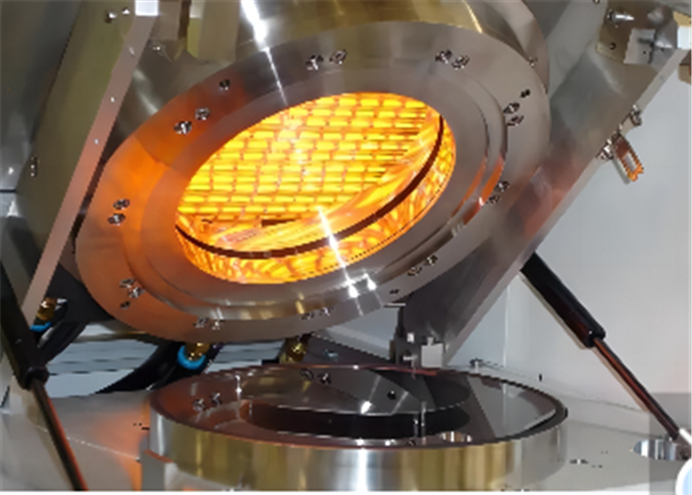
Let’s cut to the chase. On the shop floor, nobody’s just sweating the price tag. It’s about getting the job done right. We’re tackling the headache of swapping out those pricey, proprietary RTP (Rapid Thermal Processing) lamps for solid, domestic infrared heating. The whole point? A true drop-in replacement that nails the thermal profile without forcing you to re-engineer the whole machine.
Power, Voltage, and Dimensions—The Real Deal
We build our lamps to handle the thermal load an RTP chamber throws at them. Most setups run on 400V high voltage, packing the power density needed to crank up wafer temperatures fast. And the 300mm length? It’s the standard footprint, so it slips right into the existing sockets and heat zones. That kind of power needs a sturdy electrical feed, sure. But it also means the heat spreads evenly across the whole wafer. No hot spots. Just consistent, reliable performance.
The Heart of the Matter: How the Heat Gets Delivered
At the core, we’ve got a high-purity quartz tube, built to take the stress of rapid heating and cooling. Inside, the halogen gas and coiled filament team up to blast out intense shortwave infrared radiation. This wavelength cuts right through the silicon wafer, wasting almost no energy. And the R7s connector? That’s not optional. It gives you the rigid, high-current contact you need for a connection that stays tight, even with vibration. The quartz coating is carefully tuned to manage emissivity, focusing the energy exactly where the process needs it.
What This Means on the Fab Floor
In a semiconductor fab, downtime isn’t measured in hours—it’s measured in lost wafers. That’s why our lamps are built to be a straight swap. You wire it in, and the system just runs. No hassle. And because it’s compatible, you sidestep the long waits and crazy markups that come with OEM parts. But here’s the catch. That high power density comes with a trade-off. The machine’s cooling system has to be in top shape. If the chamber’s cooling is undersized, the lamp’s output can push the ambient temperature too high. And that can shorten the life of other components.
The Trade-Off, Plain and Simple
A 400V, 2500W tube throws down serious heat. So your machine’s cooling system needs to be up to the task. If the chamber can’t keep up, the temperature climbs, and that wears things out faster. We build the lamp to handle the heat. But the rest of the system has to be able to keep pace.