
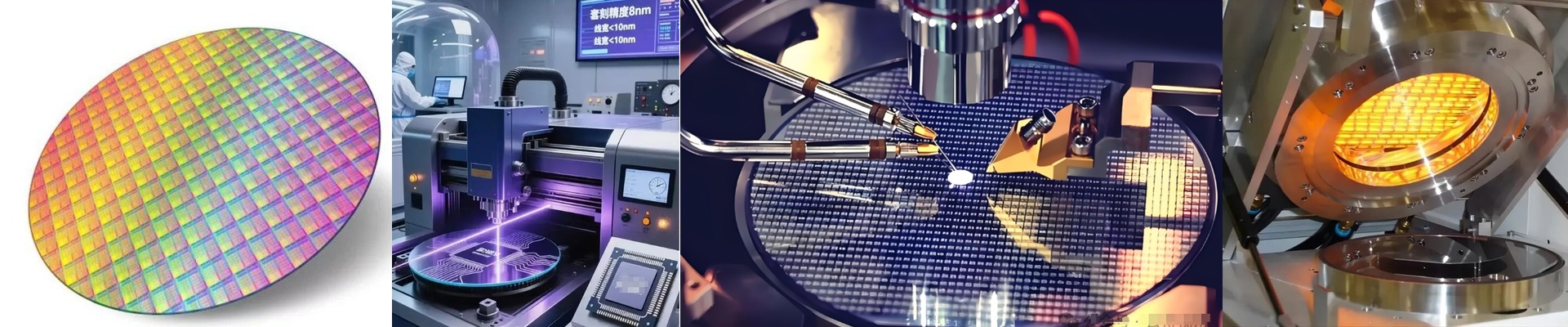
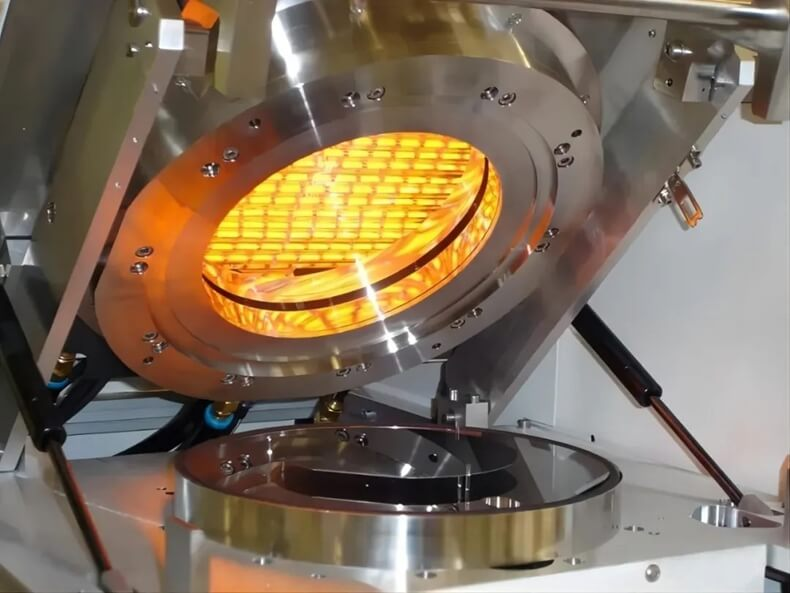
On the fab floor, an RTP chamber lamp doesn’t fail with fireworks. It shows up as drifting photoresist profiles, wider critical dimension spreads, and a thermal budget that’s suddenly off-recipe. Temperature uncertainty compounds fast, lot after lot. Swapping the lamp isn’t a maintenance box to check—it’s process control. What matters is the match: lamp spectrum, power density, and chamber geometry. We lean on short-wave halogen lamps with stabilized quartz envelopes to hit fast, repeatable ramps while keeping wafer-level uniformity within ±0.1°C. The heater is built for Class 1–100 cleanroom operation—zero particle generation at the hot zone, and emissivity that stays consistent across the full lamp life. And stability is measured, not hand-waved. We’ve got units running 5,000+ hours with under 5% intensity drop, and temperature repeatability holds within 0.5°C bake to bake. That protects your soft bake and hard bake windows where it counts. Here’s why it sticks. You regain thermal control over lithography and photoresist processing without chasing excursions after the fact. Tighter uniformity means less rework, lower scrap, and qualification cycles that don’t drag. Power consumption drops because the lamp hits setpoint quickly and holds it without hunting, and fewer lamp swaps cut downtime. The upshot is predictable yield and stable throughput, day in, day out. Before you swap, get the basics right: confirm your tool’s lamp base, wattage, and connector interface, then verify chamber optical alignment and shutter cycle count. Some recipes are sensitive to spectral shift as the lamp ages, so schedule replacements by hours and process drift, not some calendar guess. Do the change during PM windows to avoid breaking thermal equilibrium mid-lot, and re-qualify the temperature profile after the first 100 wafers.That post-swap bake profile is your early warning system.