
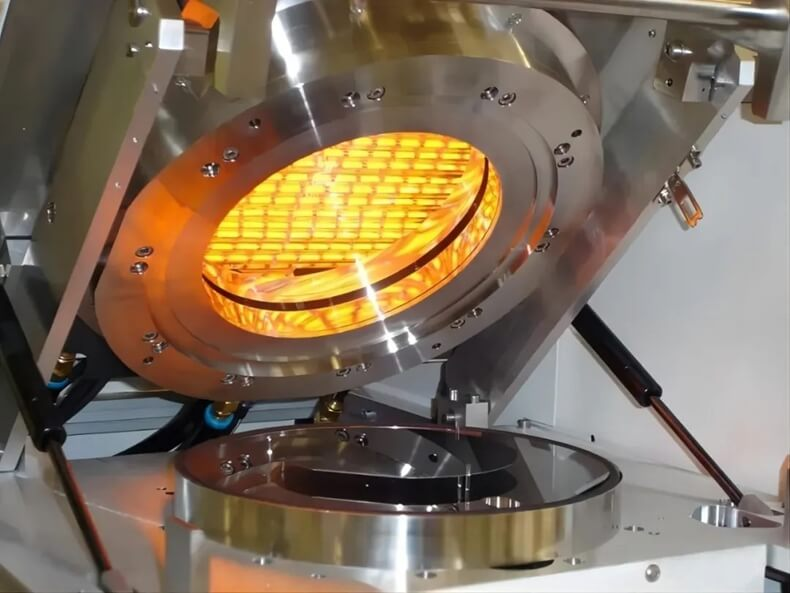
Getting More Heat Where It Actually Matters: Gold-Coated IR Emitters
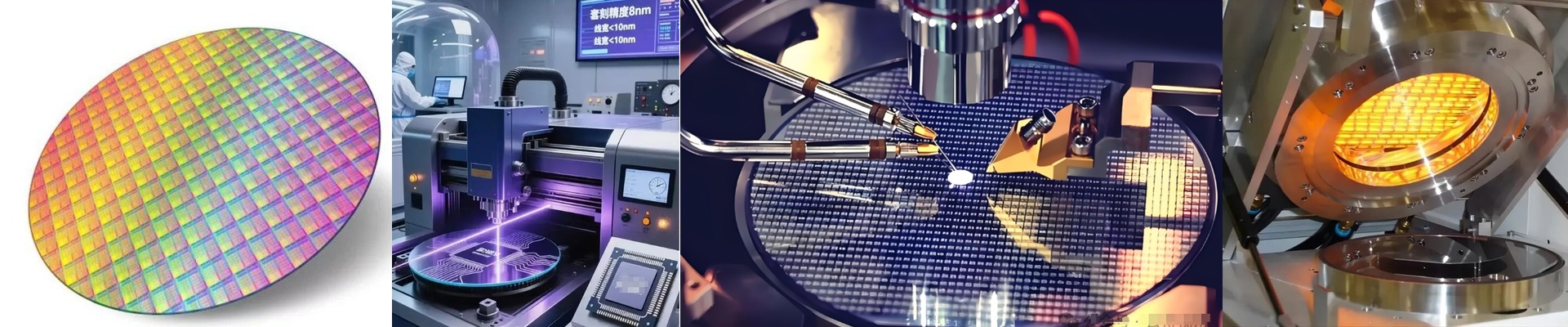
If you’re working with semiconductor wafers, you know that wasting power isn’t just a budget issue—it’s a headache. When you fire up IR emitters, a huge chunk of that heat just drifts backward, heading away from your target and doing absolutely nothing for your process. We fix that by using gold-coated reflectors and high-grade ceramic end caps. Basically, we force the energy to go where it belongs: forward.
Why Gold?
Think about a standard quartz tube. It throws heat in every direction—a full 360 degrees. That’s a lot of wasted energy soaking into your machine’s chassis. By adding a gold coating to the back of the emitter, we flip the script. Gold is incredible at bouncing infrared wavelengths back. Instead of losing heat to the air, the energy hits that gold layer and snaps right back toward the wafer. You get more heat per watt. Your electrical panel isn’t working nearly as hard, and your cooling systems don’t have to fight a losing battle to keep the housing from overheating. It just runs cooler and smarter.
The Secret is in the End Caps
Here’s the thing: the end cap is usually where these emitters give up the ghost. The jump in temperature between a glowing filament and the electrical terminals is brutal. We use high-purity ceramic because it can actually handle that kind of stress. It keeps the electrodes from oxidizing and stops the quartz tube from cracking when things get hot. One quick tip:**keep your wiring tight.**If you have loose connections at the ceramic interface, you’ll get hotspots. Those hotspots will warp your holder or burn out the cap before you even realize there’s a problem.
The Trade-offs (Because Nothing is Perfect)
Adding gold makes the heat density on the wafer much more intense. That’s great for speeding up your cycle times, but it means you have a smaller window for error. If your PID controller isn’t dialed in perfectly, you might overshoot your target temperature. It happens. Plus, you’ve got to keep that gold surface spotless. A bit of dust or some buildup might seem harmless, but it kills your reflectivity. You’ll end up with uneven heating zones across the wafer, and that’s a nightmare to calibrate. Keep it clean, keep it tight, and it’ll work like a charm.