Introduction
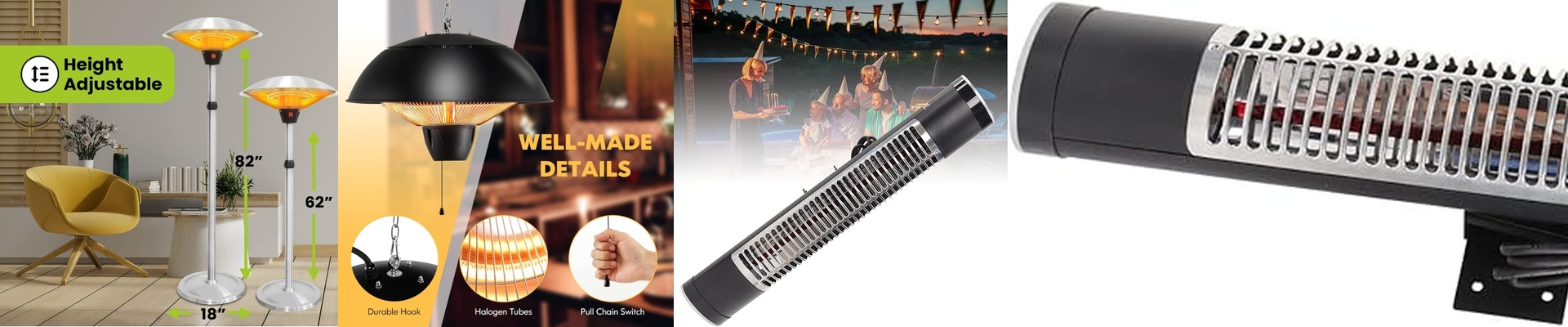
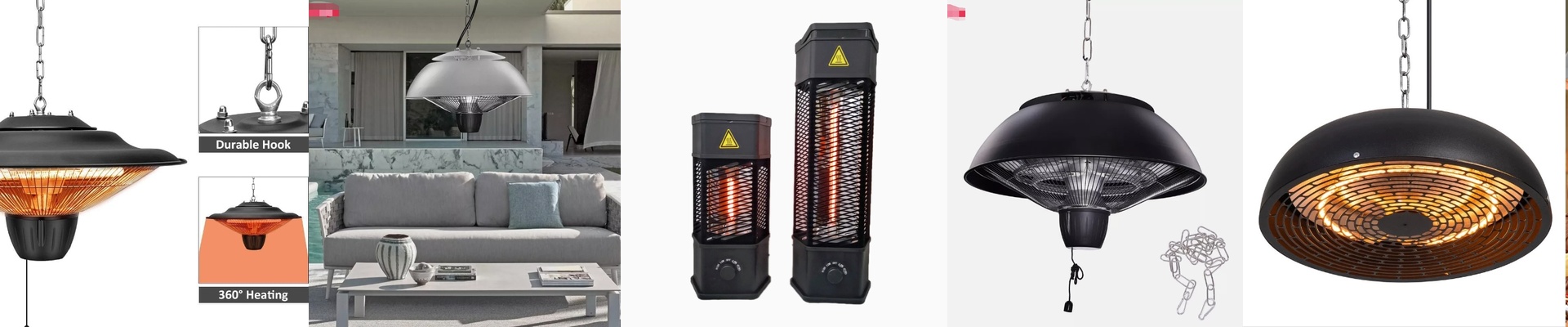
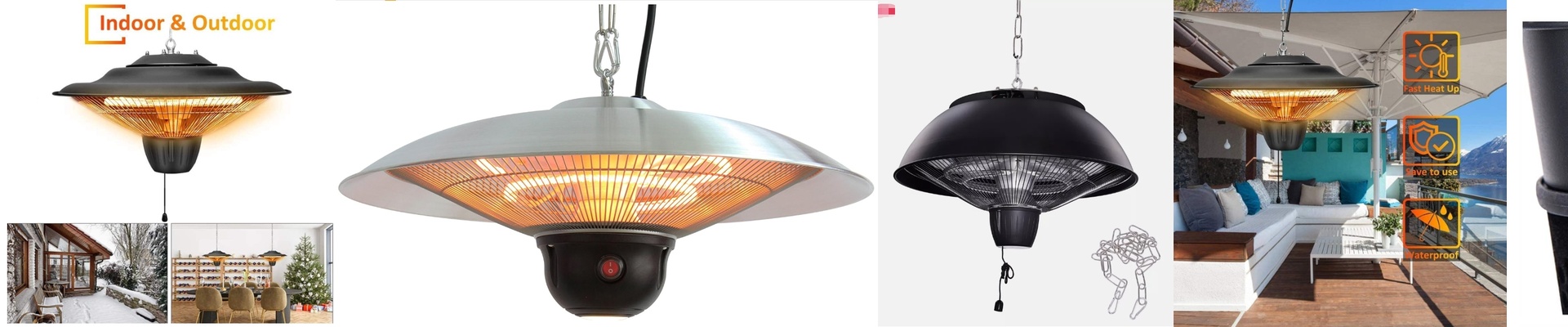
We make Electric quartz halogen heater tubes, built for the kind of industrial heating that has to be tough, precise, and just plain work—every time. They’re designed to pack a lot of heat into a small footprint, and you’ll often see them in PET blowing and other plastic forming lines. When your process needs heat that kicks in fast and holds steady, that’s exactly the kind of reliability you’re after.
Power, voltage, and size—what it really means
Most of our heaters run at 400V, deliver 2500W, and fit into a 300mm tube. That combo gives you serious heat without taking up a lot of room, so you can focus the energy right where the process needs it. Going with 400V also keeps the current lower than a 230V option at the same wattage. Less current means less stress on the wiring, and it makes the wiring in your industrial panel a little simpler. As for the 300mm length, it’s chosen to match standard heating zones. That said, before you swap one in, double-check your clearances and mounting hardware so it fits your machine without a fight.
The guts: halogen, coating, and the R7s connection
Inside the quartz envelope, the halogen element does something neat—it helps keep output steady over time by redepositing evaporated tungsten back onto the filament. The quartz tube itself handles thermal shock well and heats up quickly, so you get that responsive “on-demand” feel. Many versions also have a reflective coating that pushes more infrared energy forward. It’s a small detail that improves efficiency where it matters—right at the point of heat. And then there’s the R7s connector. It’s a bi-pin design that locks in without tools, giving you a solid mechanical fit and reliable contact even when things vibrate. The lamp stays put, cycle after cycle.
Real-world use: PET blowing and what to watch for
In PET blowing, these tubes deliver fast, localized heat to the preforms. That helps you keep cycle time steady and part quality consistent, which is exactly what you want when the line is running. With 2500W, 400V, 300mm length, and the R7s connector, it’s often a straightforward drop-in replacement in many machines. But here’s the reality check: that high heat density needs proper airflow and the right thermal shielding. If those aren’t in place, nearby components and wiring can run hotter than you planned, and that’s the kind of surprise nobody needs.