Introduction
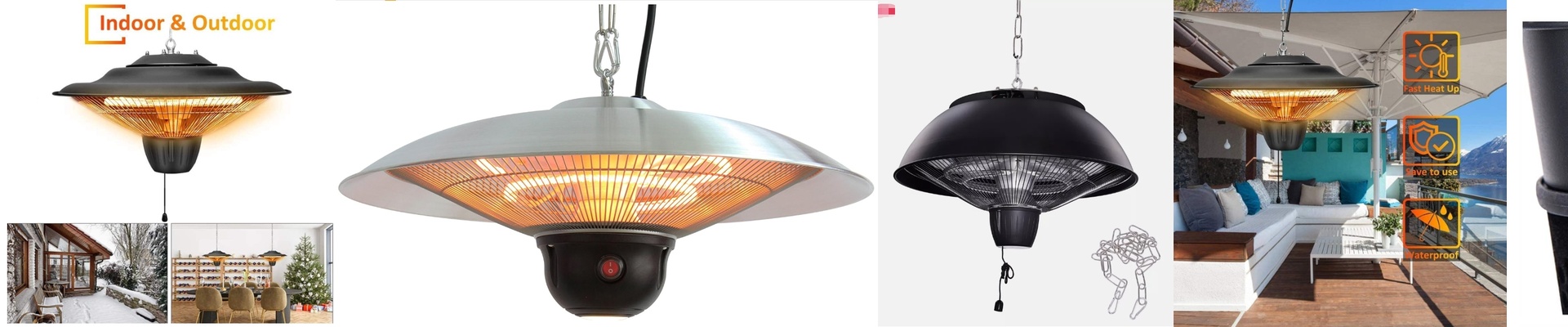
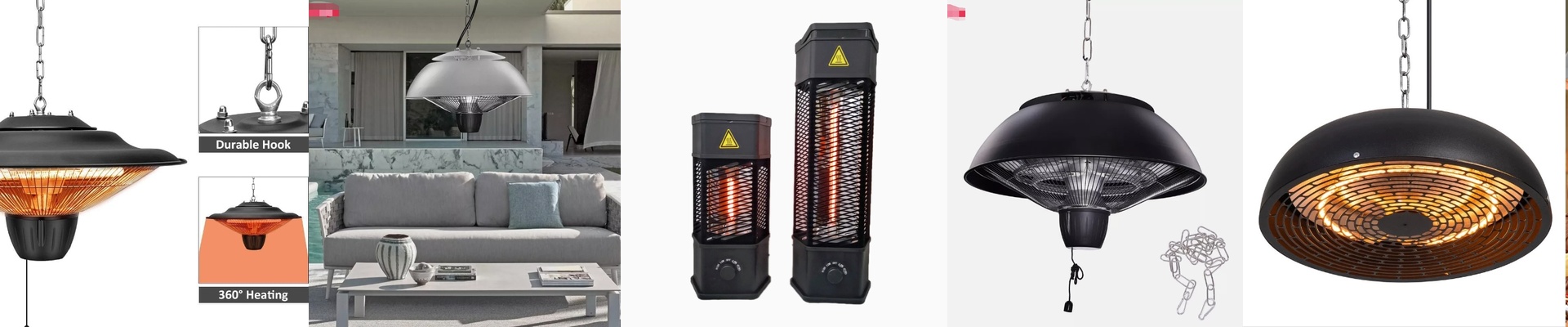
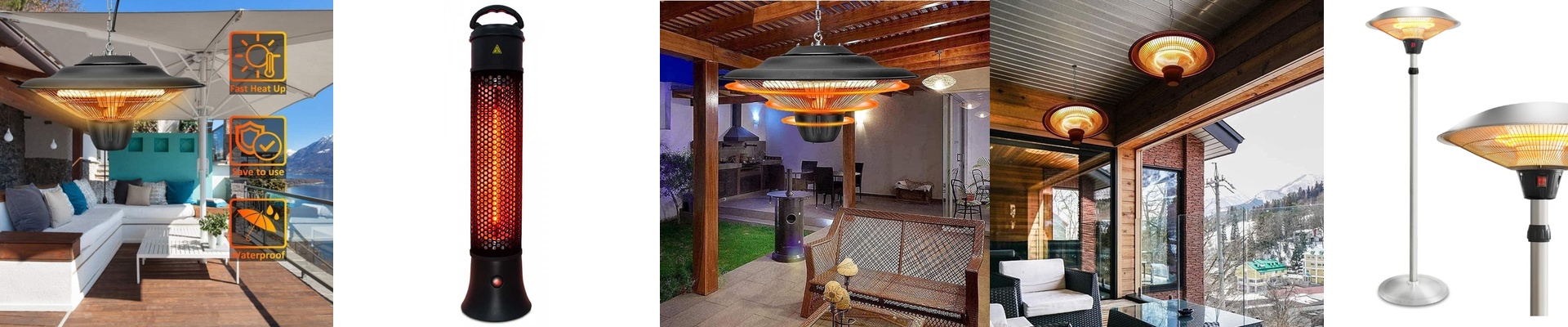
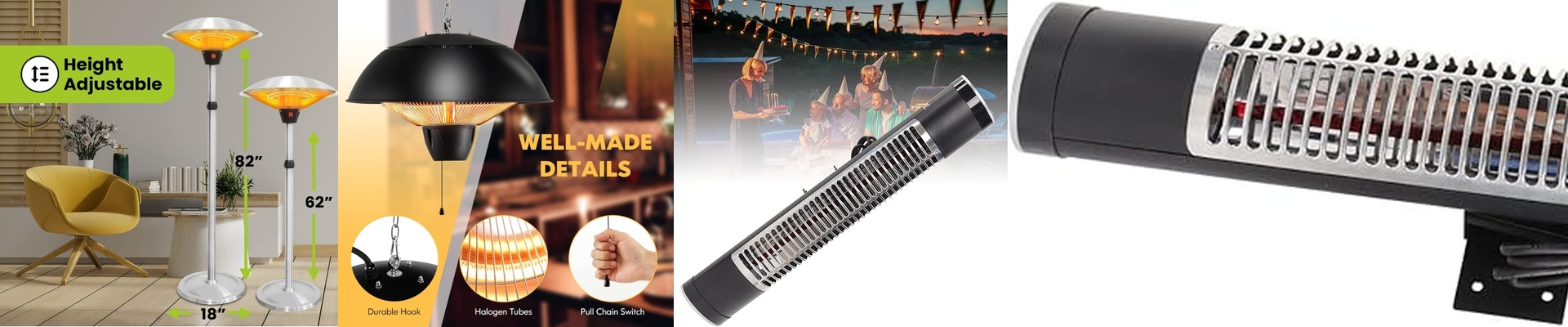
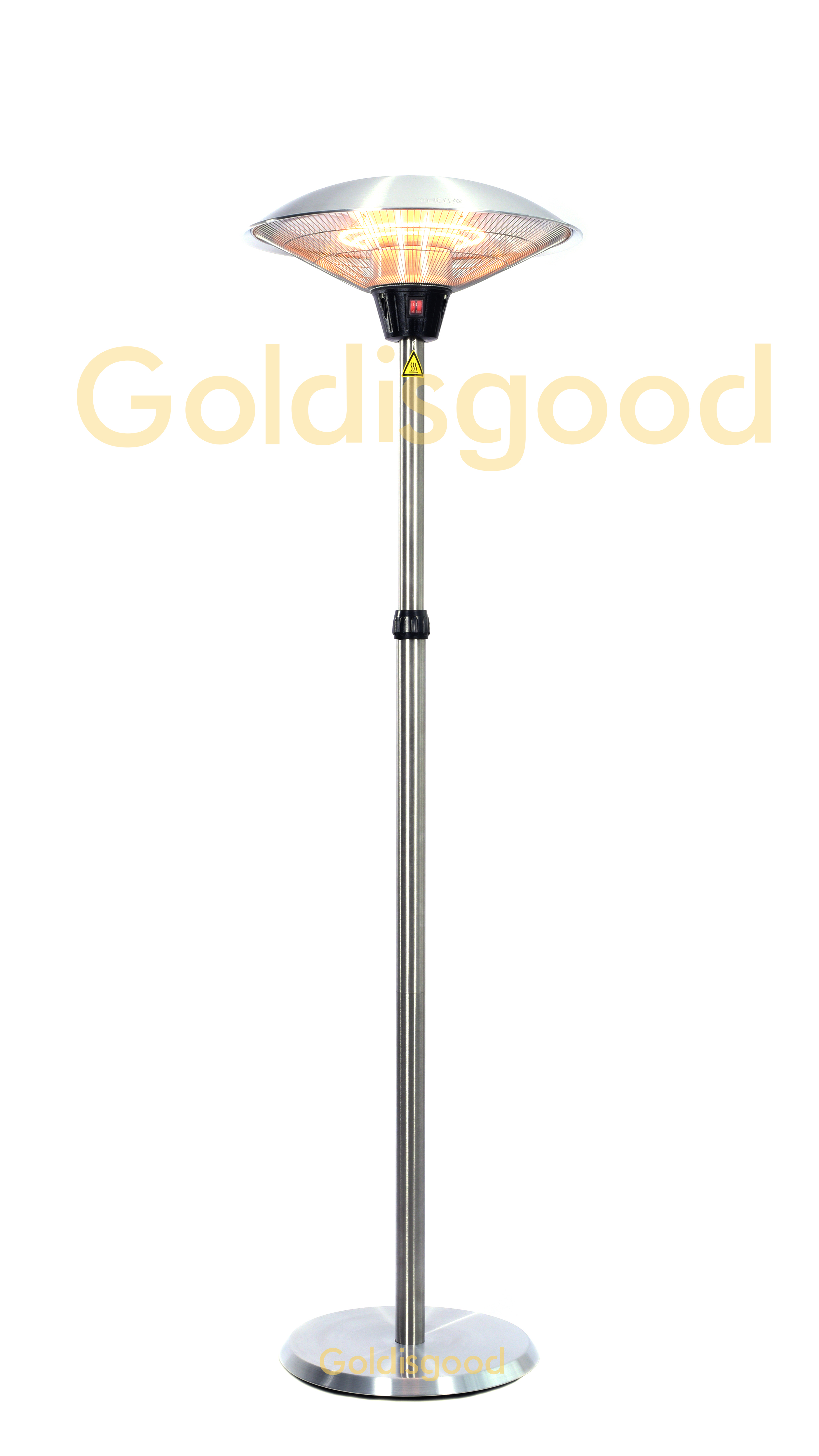
We built this electric patio heater for the wet, enclosed world of a bathroom. But it’s not just a heat source. It’s an infrared quartz heating lamp, designed to use a specific spectrum of light to actively fight mold and help manage moisture. Instead of warming the air, it sends out targeted radiant heat that warms surfaces directly. That shift changes the whole microclimate where mold and mildew love to hang out.
The Tech, Without the Tech-Speak
Here’s the core idea: a lot of infrared power packed into a small package, built to heat surfaces fast. It runs on standard mains voltage, so you can wire it straight into a typical bathroom circuit without needing a bulky transformer. The tube is sized to fit common recessed or wall-mounted housings, so it keeps a small footprint while still throwing a wide enough beam to cover a shower zone. We chose the wattage specifically to raise wall and floor temperatures above the dew point quickly, which helps cut down on condensation.
What It’s Made Of
The heart of it is a quartz tube with a halogen-filled environment. It produces shortwave infrared that penetrates surfaces and dries them fast. A reflective coating on the tube pushes more energy forward, so it goes where you need it and stays off the mounting hardware. And the waterproof rating? It’s not just for show. Sealed end caps and gaskets block water from getting in at the joints. So the lamp can handle a direct spray without shorting out or corroding. The R7s connector gives you a secure, two-pin interface that locks in place and carries the current without getting hot.
How It Works for You
Bathrooms are a perfect storm of moisture and cold surfaces, which is exactly what mold needs to thrive. This lamp goes right at the problem where it starts—at the surface. Radiant heat warms up the tile, glass, and walls, which speeds up evaporation and supports your dehumidifier. The payoff is a drier bathroom, which makes it much harder for mold to get a foothold. A quick note: this lamp runs hot, so it needs proper spacing from anything that can burn, and the circuit has to be correctly rated. For engineers, it’s a simple drop-in component that adds focused heat where it’s needed, without overhauling the room’s HVAC.