


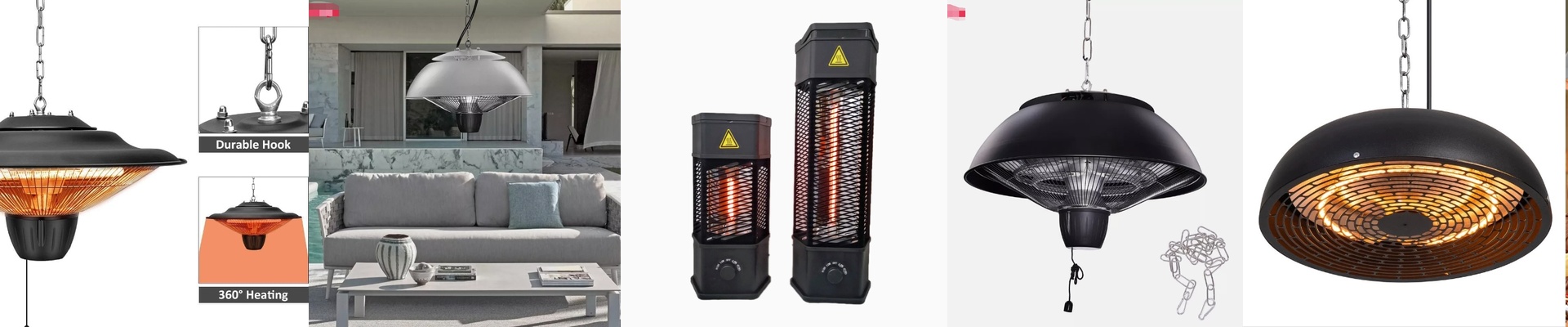
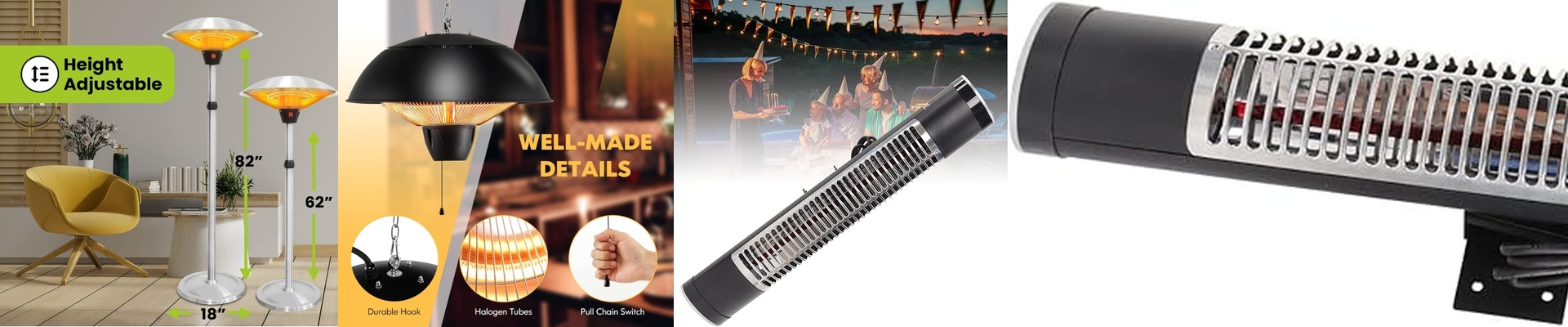

Putting infrared lamps in a bathroom is a bit of a gamble if you don’t do it right. You’ve got constant steam and condensation everywhere, and since water loves to conduct electricity, a tiny leak in your insulation can lead to a nasty short circuit or a ground fault. To keep things safe, we focus on two main things: the barrier and the seal. Keeping the electricity where it belongs Standard quartz tubes have a weakness at the electrode junctions. In a steamy room, moisture just creeps into those terminal ends. To stop that, we use high-grade ceramic insulators and silicone heat-shrink sleeves. It basically wraps the live terminals so they can’t touch the chassis. We also put these through a “Hi-Pot” leak test. It’s a high-voltage stress test to make sure the isolation holds up, even when the whole unit is dripping wet. Because in a bathroom, “saturated” is just a normal Tuesday. The battle against steam The lamp itself is only half the story. You need a housing that actually keeps the wet stuff out. We use gaskets and sealed cable entries because if you go with a cheap enclosure, steam will settle on the internal wiring. Once that happens, you get corrosion, and eventually, a dangerous arc-over. The trade-off Here is the tricky part. To get that level of safety, we usually have to put the lamp behind a protective guard or a sealed glass sleeve. It’s mandatory for safety, but it does put a physical layer between the heat and the person. This can slightly change how the heat feels or dial down the intensity a bit. It’s a balancing act between a high IP rating and how much raw heat you actually need. And one last thing. Always, always wire this into a dedicated GFCI. No matter how great the insulation is, you want that circuit interrupter as your safety net. Better safe than sorry.