IPX4 Splash-Proof Infrared Heaters: The Wiring Seal That Keeps Things From Going Up in Smoke
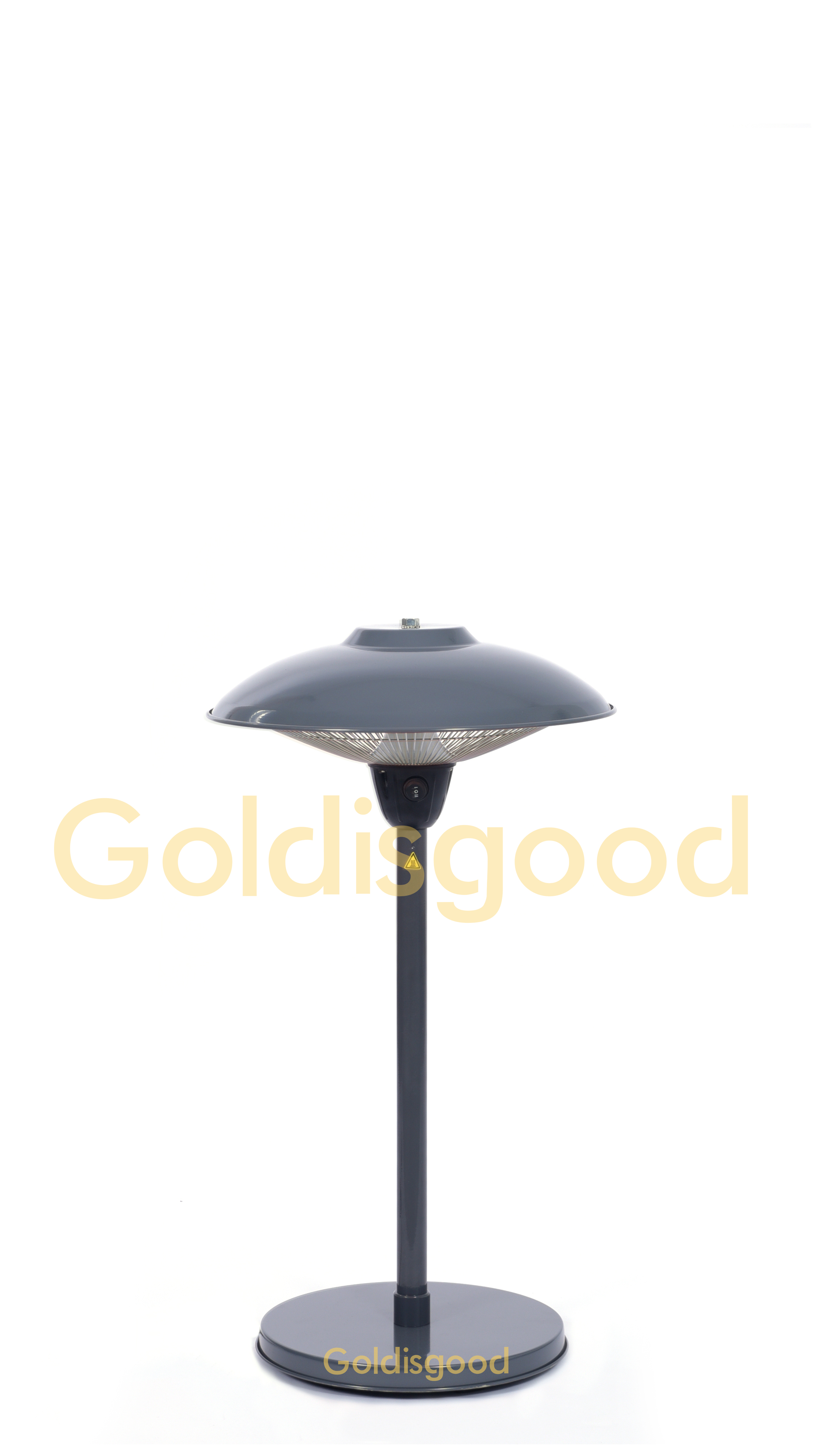
We built this IPX4-rated infrared heater for the places where water and heat have to share the same space. The whole point? Give you steady, focused warmth in damp areas—without the nagging fear of electrical failure. And honestly, the secret isn’t the bulb. It’s the wiring seal.
The power, voltage, and size—kept real
These heaters are meant for industrial work, not warming up a living room. Every detail—from the shape to the electrical specs—is about packing serious heat into a small footprint. We run a 400V high-voltage setup, which keeps the current lower for the wattage you need. That means smaller wires and less heat loss right at the terminals. And the 300mm tube length focuses the heat into a tight zone, so production equipment heats up faster. The IPX4 rating means it can handle splashes from any direction. But it’s not built to be submerged. If your design includes direct water jets or long soaks, you still need to plan around that.
What it’s made of—and why it matters
The emitter is quartz, because it handles sudden temperature swings without cracking and delivers strong infrared output. Inside, halogen elements keep the light spectrum steady over time. And a protective coating helps resist grime and etching when the air is heavy with humidity. But the part that really does the heavy lifting? The place where the wires exit. Standard seals get brittle and crack when things heat up and cool down over and over. We use a high-temperature, contract-grade feed-through seal that stays compressed even when the heater is running hot. That’s what keeps moisture out—and keeps the insulation from breaking down. And the connectors matter, too. R7s and SK15 terminals give you solid, high-temp contacts that are quick to wire up. They handle expansion without loosening, so the connection stays stable and you don’t get drifting resistance at the junction.
Who it’s for—and what you actually gain
This setup is built for process heating: packaging sealing, coating curing, localized drying—especially where humidity is part of the job. Because the wiring stays sealed, water doesn’t get in, and you avoid the shorts and aging failures that shut a line down. It’s designed to drop right in where standard industrial lamps go. Wire it, mount it, and run. Just keep one thing in mind: at full output, the heat is concentrated. The enclosure around it will get warmer. Make sure your machine has the cooling and clearance it needs. If you need a heater that can take splashes and keep going, focus on the lead seal. That’s where failures start—and where reliability gets built.