



That thin layer of dust on your infrared heater? It looks harmless, but it’s quietly robbing you of performance. On a damp night, that film scatters the heat instead of sending it where you need it. The room feels cooler, the unit runs longer, and you end up paying for it in both energy use and wear and tear.
What’s actually happening under the hood
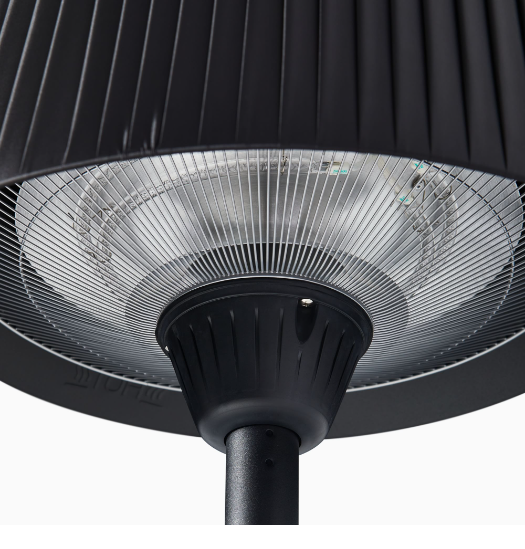
Infrared heaters work by warming people and objects directly, not the air around them. In many models, you’ve got a quartz tube or a carbon fiber element generating radiant heat, and a reflector shaping the output. When dust coats the emitter and reflector, it acts like a blanket—blocking output and forcing the heater to overwork just to hit the same comfort level. Wipe those parts down, and you’re back to the clean, directional warmth the heater was designed to deliver.
Why this matters where you actually use it
Maintenance shows up most in the places you live—near kitchens, entryways, and covered patios where moisture and airborne grease and grit hang around. A clean heater warms up faster, holds temperature with less on-off cycling, and keeps operating costs from creeping. It also protects components from heat buildup and corrosion, which helps the unit last longer and stay looking decent instead of grimy.
The practical details that keep you safe and efficient
Power off, unplug, and let the heater cool before you touch anything. Use a soft, dry cloth on the emitter and reflector; skip solvents that can cloud quartz or eat at plastic parts. Keep intake vents clear, and keep an eye on the power cord for fraying. One more point: if you’re running in a very wet outdoor spot, pick a heater rated for those conditions and store it under cover when it’s not in use.