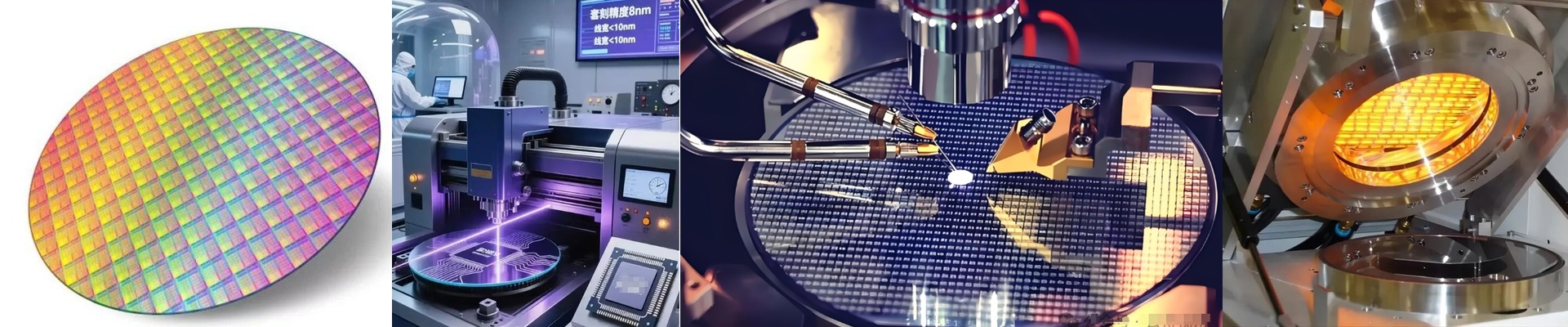
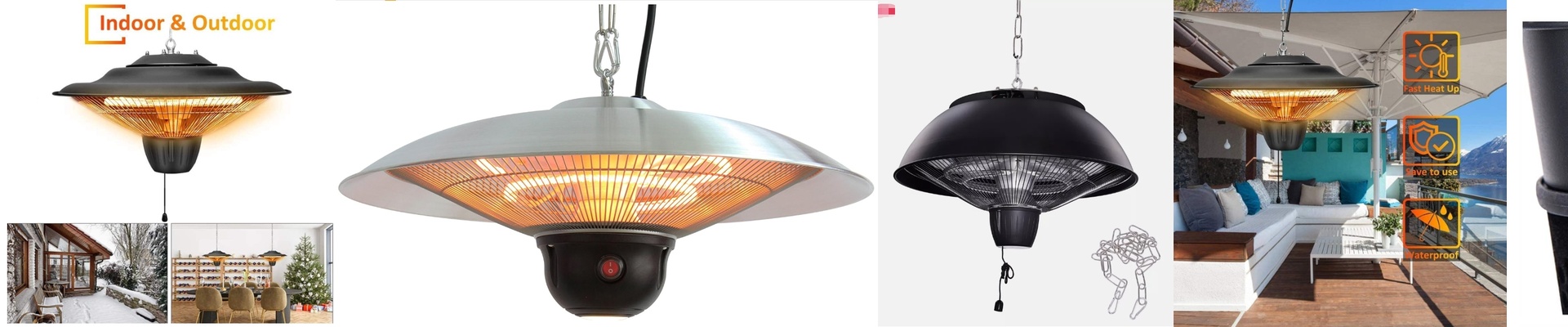
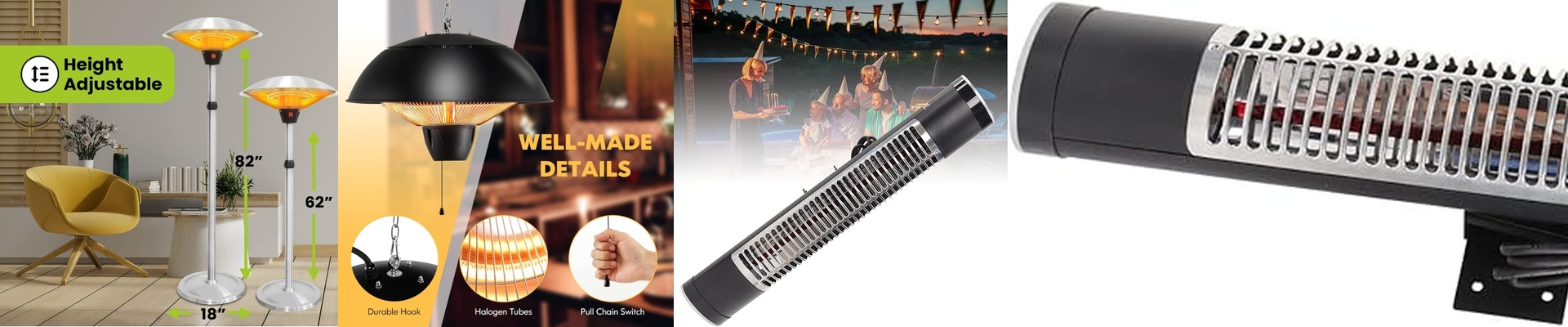
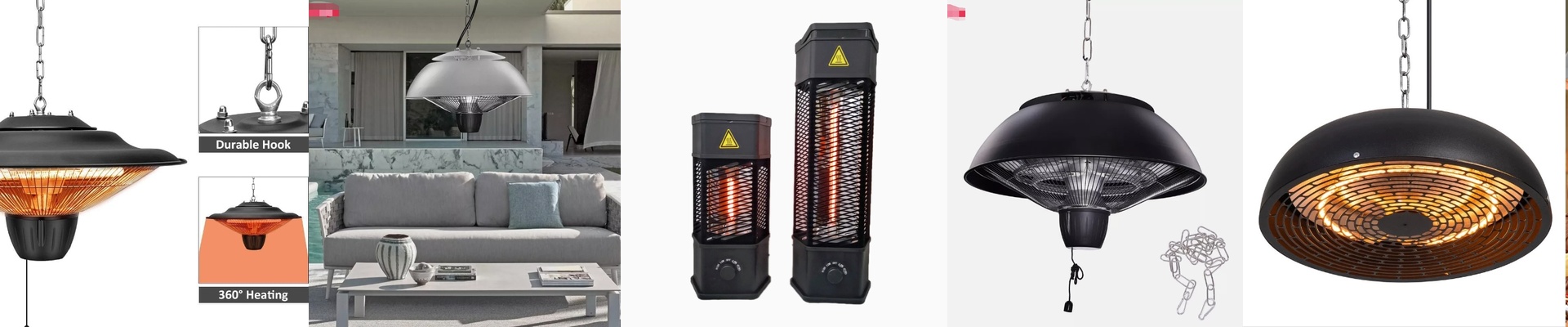
On the lithography floor, a soft bake that’s even a few degrees off can send critical dimensions drifting across the wafer. The heater isn’t just adding heat—it’s enforcing the thermal budget. And when a spare part goes south, yield starts slipping before the defect even shows up on the map.
What matters, technically
When we build heaters for semiconductor machinery spares, we anchor everything on repeatable temperature control. In practice, that means wafer-level thermal uniformity within ±0.1°C across the bake plate.
The heater element is matched to the process window—short-wave, medium-wave, or NIR—so the energy profile lands on the photoresist without overshoot. You should see stable output after 5,000+ hours, with drift below 5%.
These are cleanroom-ready specs: Class 1–100 compatible, low outgassing, and engineered for zero particle generation during thermal cycling. Power is matched to your line at 200–240 V, and the connectors are standardized so the swap is fast.
Why this matters in the fab
Photoresist processing isn’t one step—it’s a thermal sequence. Soft bake sets the solvent profile. Hard bake locks it in for etch and implant.
Keep the spare heater stable and both steps stay in spec, day after day. The payoff is tighter critical dimension control, fewer rework lots, and less scrap.
Energy use drops, too, because the element heats quickly and holds steady, without chasing over-temperature corrections. Reliability means fewer unplanned stops, so your 24/7 fab cadence stays intact.
The details that keep you out of trouble
Installation is straightforward, but alignment is not optional. The heater has to mate flat to the plate and match the sensor position. If it doesn’t, the controller reads a phantom offset and the uniformity guarantee goes out the window.
Before ordering, verify your tool interface and the connector pinout. In high-cycle bake stations, plan preventive replacement around 6,000 hours.
This isn’t a universal, fit-and-forget part. Respect the machine, and it will respect your process.