Why we’re ditching the ovens for IR curing
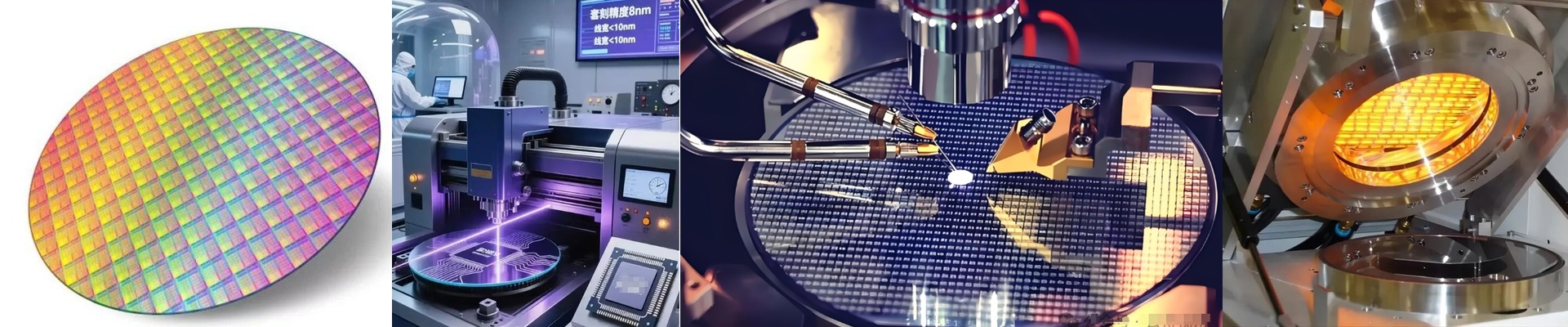
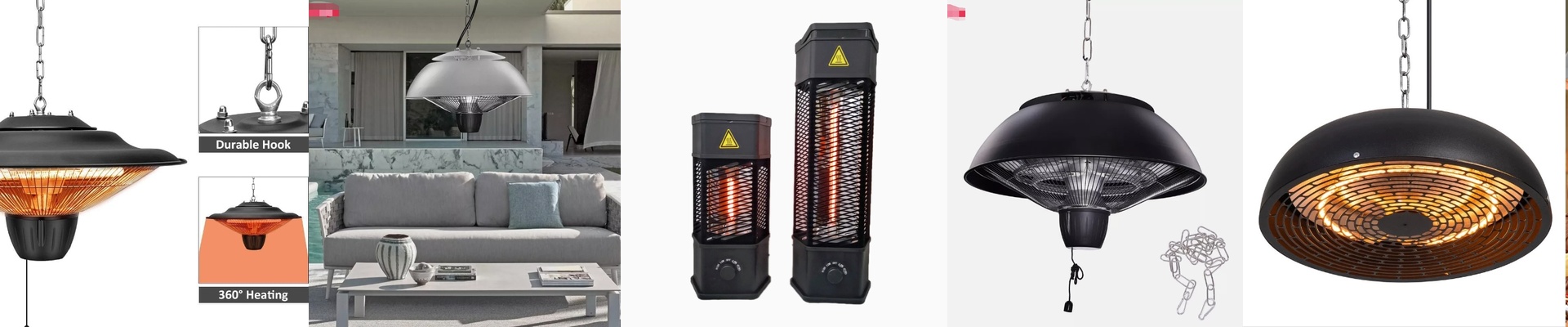
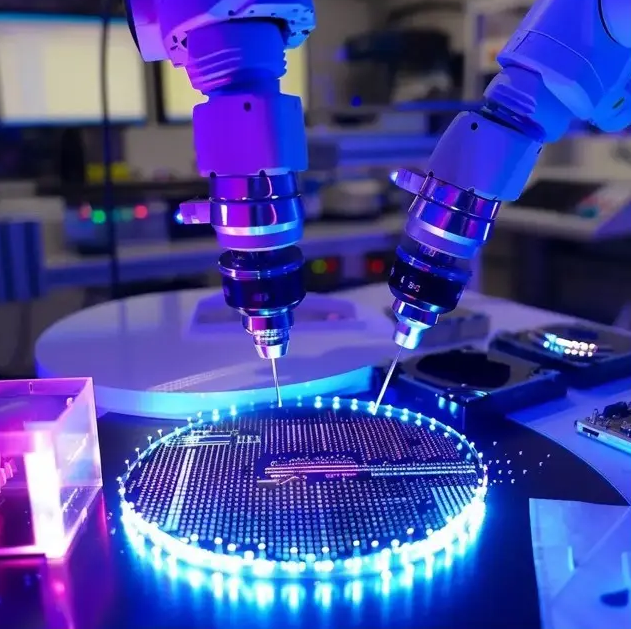
Let’s be honest: traditional convection ovens are a bit of a dinosaur. We’re seeing a huge shift toward infrared (IR) curing lately, mostly because the world has gone “green” and lead-free. If you’re trying to hit those global environmental specs, the old way of doing things just doesn’t cut it anymore. Here is the thing about the physics. Standard ovens heat up the entire room. You’re basically paying to heat the air, which is a total waste of power. IR is different. It uses electromagnetic radiation to send energy straight into the substrate. You aren’t warming up the air; you’re warming up the part. This is a big deal for lead-free solder pastes. They have higher melting points than the old leaded stuff, so you need real heat. With IR, you get those temperatures instantly without turning your entire machine into a sauna. But it’s not just about the heat—it’s about theprecision. Lead-free materials are picky. If you go too hot, you fry the silicon. Too cold? You end up with cold joints and a lot of wasted parts. Short-wave IR solves this by ramping up almost instantly. You hit the target zone exactly where you need to. It takes a curing cycle that used to drag on for hours and shrinks it down to minutes. Plus, your floor space opens up. Since you don’t need those massive blowers or giant heating elements, your energy bill drops. The equipment is smaller, too. You can just tuck the IR lamps right into your conveyor line. Now, there is a catch. You have to be obsessed with the distance. IR intensity follows the inverse square law, which is a fancy way of saying that a few centimeters can make or break your board. Too close, and you’ll burn right through it. Too far, and your production slows to a crawl. You’ve got to nail the lamp height and power density based on your specific material and board thickness. If you get that distance wrong, you’ll see uneven curing across the wafer, and that’s a headache nobody wants.