
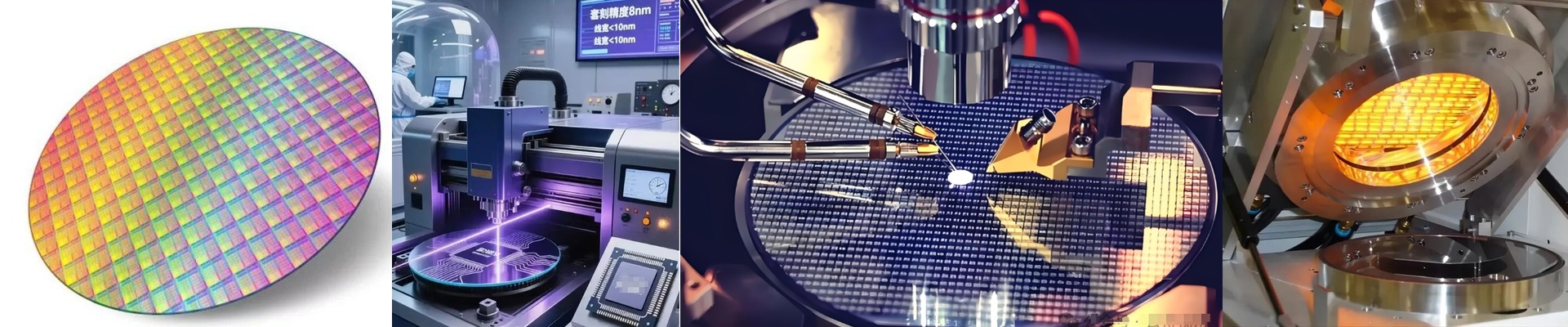
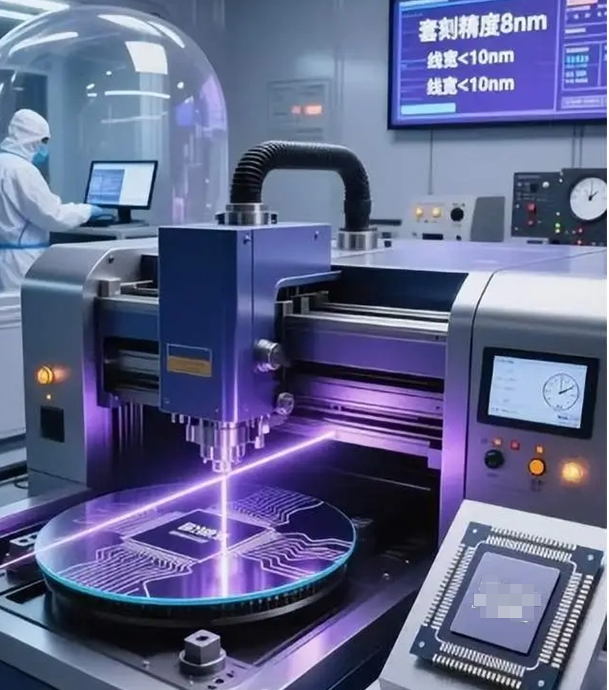
In a 7x24 fab, the photoresist bake isn’t just another step. It’s the line between a pattern that works and a wafer that’s scrap. When an oven lamp drifts, soft bake uniformity goes sideways. Critical dimension control slips right with it. You can’t chase yield with manual tweaks. You need a thermal source that stays put, period. What matters under the hood We built the lithography oven lamp around short-wave infrared halogen elements in a quartz envelope. Fast response, stable spectral output. The payoff is wafer-level temperature uniformity within ±0.1°C across the bake zone, so photoresist flow and solvent removal stay repeatable lot after lot. The lamp head is cleanroom-compatible for Class 1–100 environments and generates zero particles during operation. It runs continuously with zero unplanned downtime. Life expectancy exceeds 5,000 hours, and output stability holds over that span. Why this lands in lithography The bake sets the foundation for exposure and development. Get it right, and you cut rework, protect thermal budget, and tighten CD distribution. You can keep the same lamp across process nodes, so changeovers are faster and qualification cycles are shorter. Energy use drops because the lamp heats quickly and holds setpoint without overshoot. Fewer lamp swaps mean less contamination risk and higher equipment uptime. The fine points that keep it honest The lamp performs at its best only when the oven chamber optics and reflectors are clean and aligned. Even with a stable source, uniformity will drift if those are off. Installation has to match the oven interface and power supply. Pair the lamp with an in-situ calibration plan that lines up with your SPC limits. And plan replacements on schedule, not on failure — that’s how you keep process repeatability.