
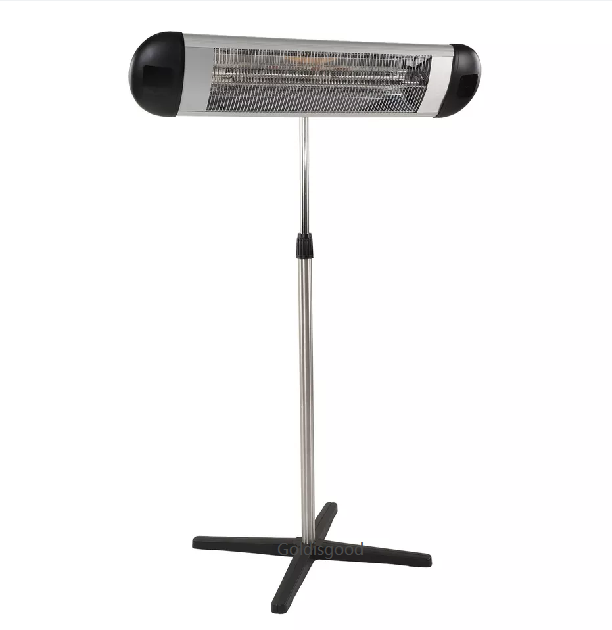
Cold floors have a way of stretching a chilly evening way past its welcome. You settle in, only to watch heat pool in one spot while your feet stay numb. The answer isn’t throwing more watts at the room—it’s directing the heat where it actually matters.
What matters under the hood
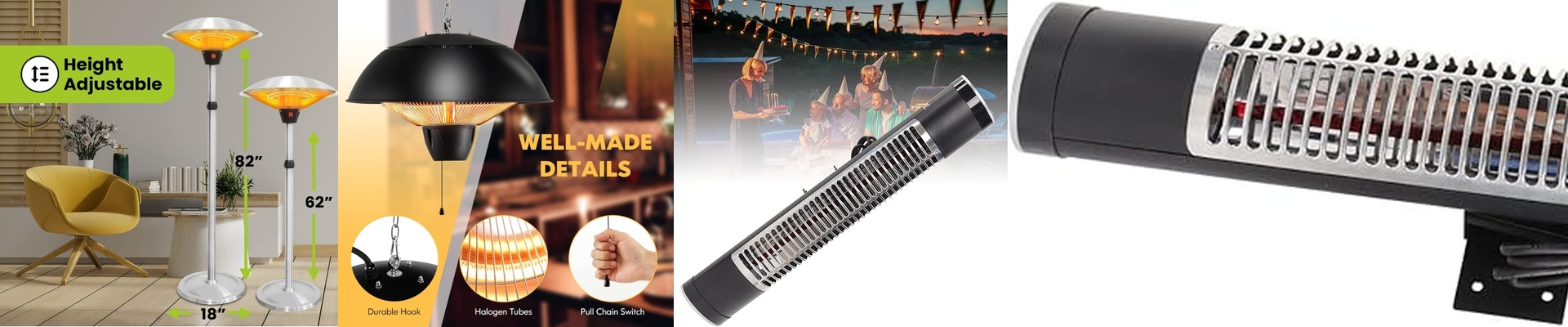
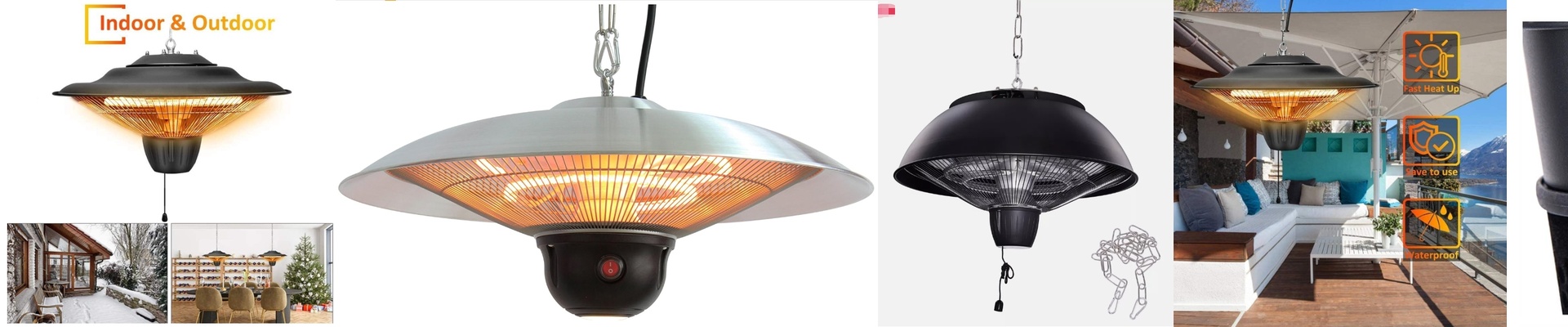
Infrared foot warmers work on radiant heat, not moving air, so you feel warmth almost immediately. Inside, a quartz or carbon fiber element throws off short- to medium-wave infrared that travels straight to shoes and soles. The heavy lifting, though, happens in the reflector. We shape it using geometric optics, turning a simple parabolic profile into a controlled beam. Multiple facets spread the beam evenly, which cuts down hot spots and cold shadows. The payoff is uniform intensity across the target area, so your feet get steady warmth instead of the harsh swings you get with a bare-element heater. Because the energy is aimed, you get more usable warmth per watt.
Why this approach makes sense
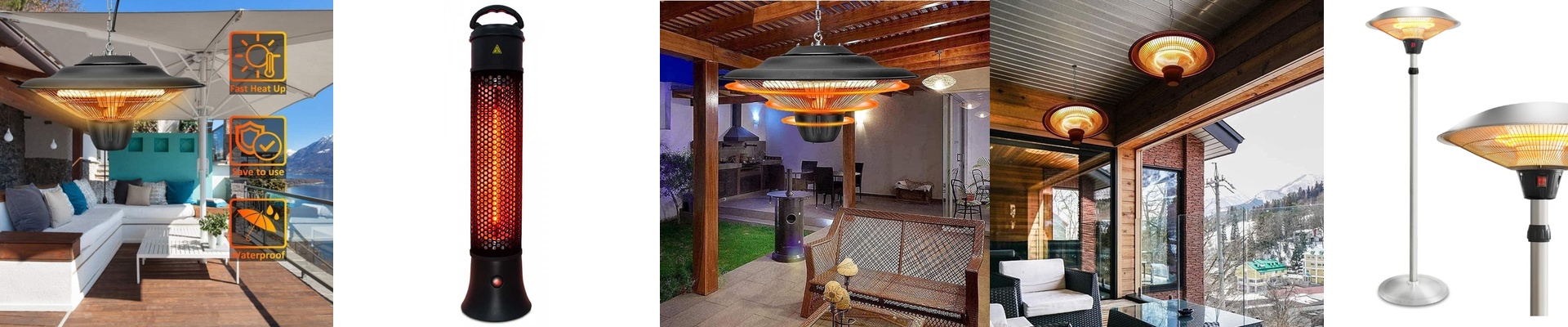
On a chilly patio, in a drafty sunroom, or even beside a workbench, the goal is localized comfort—no need to heat the whole space. This foot warmer keeps the heat right where you need it, so you can linger outside longer and work indoors without piling on layers. You feel it fast: warmth on contact, fewer drafts, and less messing with thermostat settings. With targeted infrared warmth, energy use stays sensible, and the space around you feels more balanced.
The practical stuff
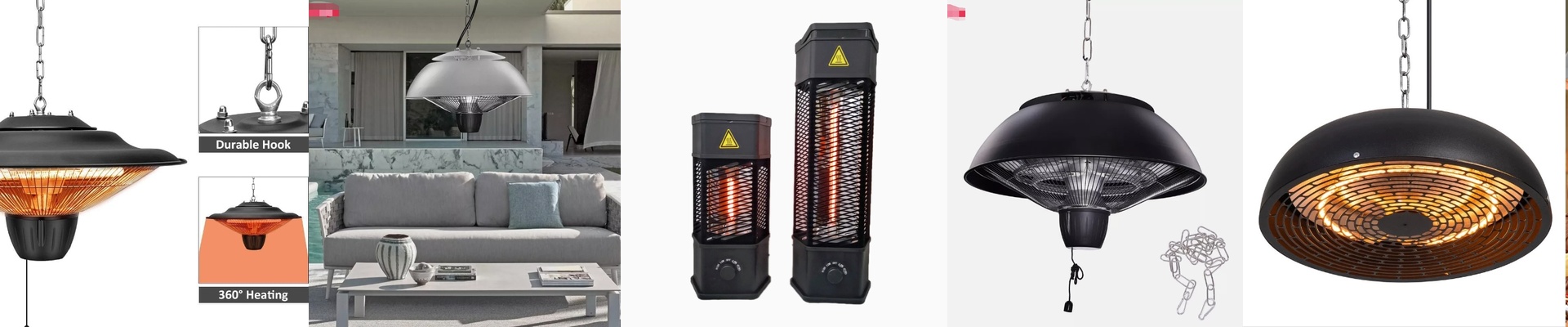
For best results, set the unit on a level surface and keep the reflectors clean. Dust and smudges scatter the beam and rob you of output. Most models are built for dry, covered areas—check the IP rating if you plan to use it outdoors. Clearance matters, too: keep combustibles and feet at a safe distance, and look for tip-over protection plus a thermostat for consistent comfort. Plug into a grounded outlet, and follow the lead length guidance to avoid cord strain.