


Why stop blowing hot air? Switching to IR for semiconductor drying
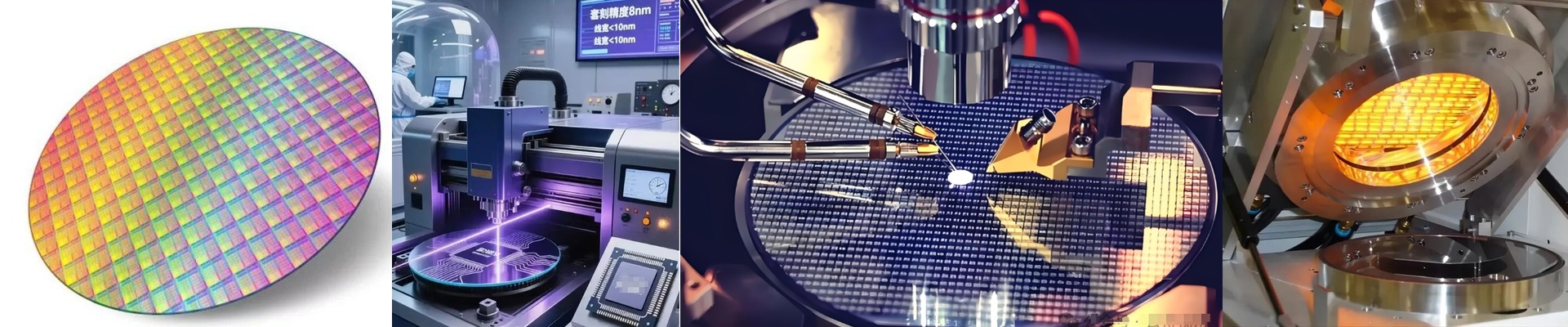
Most fab drying lines are still doing things the old-school way: pumping forced hot air over a wafer and just… waiting. You’re basically waiting for that layer of moisture to evaporate on its own. It’s slow. It’s tedious. You spend half your time heating up the air and the chamber walls before the actual part even feels a thing. It’s a lot of wasted energy.
Cutting out the middleman
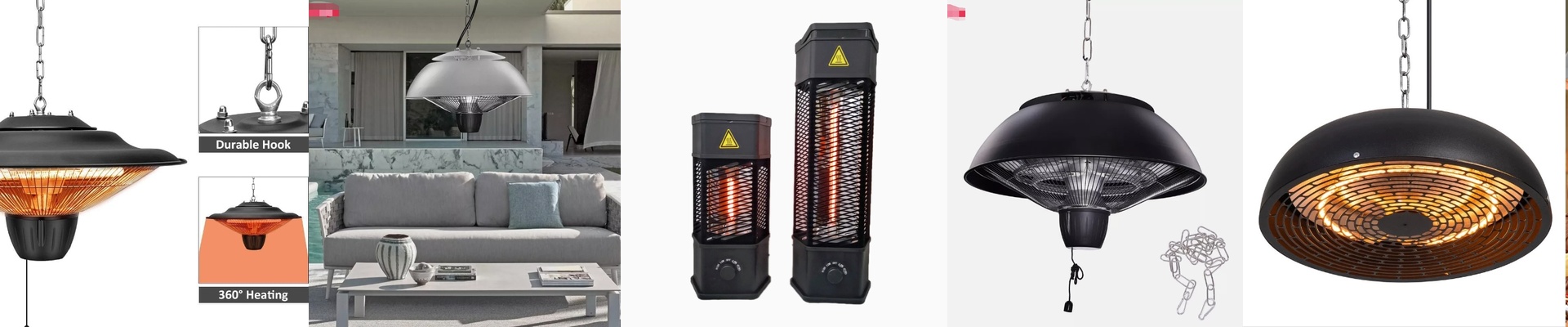
Infrared (IR) heating changes the math. Instead of heating the air around the part, we use electromagnetic radiation to send energy straight into the workpiece. Think of it like the difference between warming up a room with a heater versus stepping into the sun on a cold day. You feel the heat instantly. With shortwave IR, the surface temperature jumps almost the second it hits the part. Your cycle times tank. No more waiting around for a chamber to reach some “steady state.” You just get to work.
Saving your floor space
When you ditch the massive convection ovens for compact IR banks, you suddenly get some of your cleanroom back. It’s a huge relief to stop tripping over giant boxes. But, you have to be careful here. IR lamps pack a serious punch in a small area. If your conveyor is dragging or the lamps are too close, you’ll fry your substrate. You’ll want to make sure your PID controllers and sensors are sharp enough to catch those thermal spikes before they become a problem.
The catch
IR isn’t a magic fix for everything. It only works if the material actually absorbs the wavelengths. If you’re working with something super reflective, a lot of that energy is just going to bounce right off. You might have to play around with the lamp angles or try a different coating to make the heat “stick.” Still, for most of what we do in the fab, the speed you gain makes that bit of tinkering totally worth it.