

Stop Cooking Your Equipment: A Smarter Way to Heat Semiconductor Tools
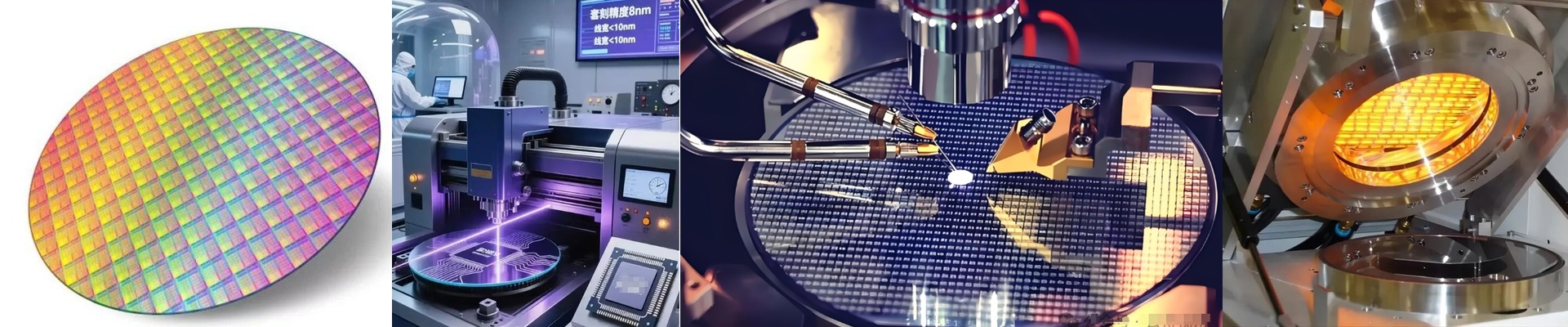
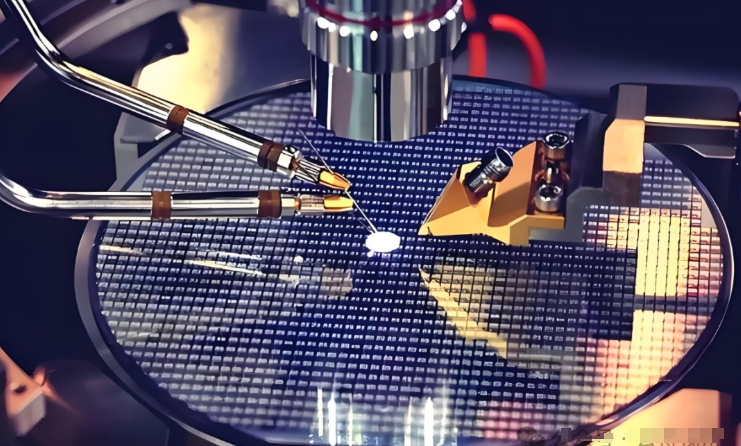
Most IR heaters are a bit messy. They throw heat in every single direction—basically a 360-degree blast. When you’re working inside a cramped semiconductor chamber, that’s a problem. You end up wasting energy and “heat soaking” the inner walls of your machine. It’s inefficient, and frankly, it’s a pain. That’s why we use carbon fiber infrared lamps. Instead of a wild spray of heat, these focus the energy exactly where it needs to go. You hit the wafer or the component, and the chassis stays cool. How the physics actually works Carbon fiber filaments aren’t like those old quartz coils you’re used to. We’ve engineered these to push the energy along a specific axis. Here’s the thing: instead of heating up the air or the metal housing around the part, the energy goes straight into the workpiece. This means you stop fighting that constant heat buildup. Your equipment shells won’t be too hot to touch anymore. The “Gotchas” of installation Now, you can’t just rip out a standard coil and pop one of these in. There are a few things to watch out for. First, the footprint is different. But more importantly, you have to look at your reflector geometry. The reflector is what actually “steers” the heat. If it’s off by even a few degrees, you’re right back to square one with hot spots on your chamber walls. Plus, keep an eye on your power supply. Carbon fiber reacts way faster than traditional metal alloys. You’ll need to make sure your specs can handle those quick ramp-up speeds. Why this actually matters for your day When you stop heating the entire machine, you don’t need those massive, bulky cooling jackets on the outer shell. It makes the floor a better place to work. The room stays cooler, your energy bills drop, and your operators aren’t sweating over a hot machine. It’s just a safer, more stable way to run the process. Just a quick tip: double-check your wiring. These can pull a lot of current at peak output, and you don’t want to be dealing with burnt-out connectors.