
Let’s Talk About IR Curing in Semi Manufacturing
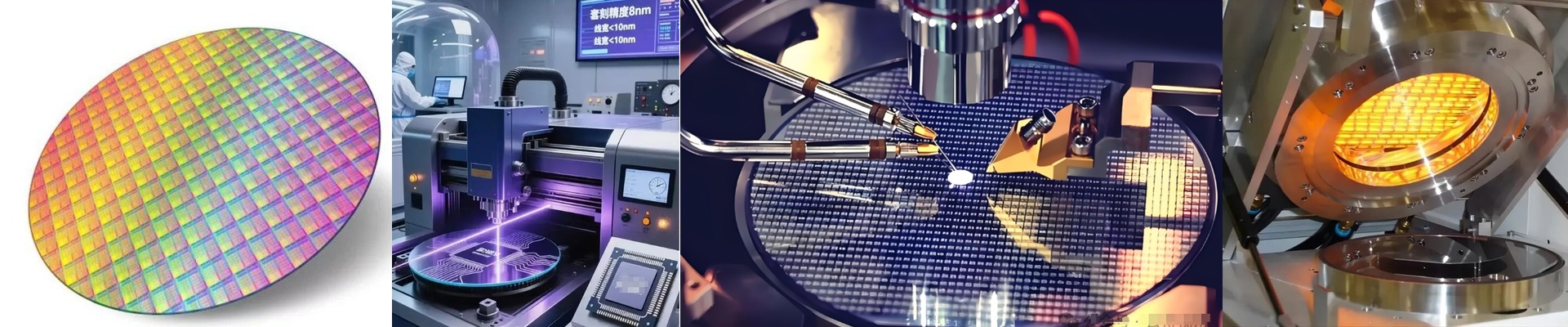
When you’re drying semiconductors, you’ve got a tricky balance to strike. You need precise heat, but you can’t afford to let a single speck of dust or a stray chemical touch that wafer. That’s why we lean on infrared (IR) curing. Instead of blowing hot air around, IR uses radiation. It’s a much cleaner way to work. You don’t have to deal with forced air or those nasty chemical solvents that usually get you in trouble with eco-friendly regulations.
Why IR actually works
Think about a traditional oven. You heat the air, and then the air heats the part. Honestly? It’s a waste. IR lamps are different. They send electromagnetic waves straight into the substrate. You’re hitting the target directly. This means you aren’t wasting energy heating up the entire factory floor just to cure a thin film. It’s faster, and the gear takes up way less space on your floor.
The build quality
Cleanrooms are unforgiving. One tiny flake of rust and your whole batch is trash. To stop that from happening, we build our heater housings out of high-grade stainless steel. It doesn’t oxidize or peel. We’ve designed these housings to handle the intense heat of short-wave lamps without breaking a sweat. It creates a tight, closed-loop system where the heat goes exactly where it’s supposed to.
Staying green (and compliant)
Lead-free solders and polymers are a bit finicky. If your thermal profile is off, you’ll warp the board. The beauty of IR is that we can tune the wavelength to match exactly what the material needs to absorb. No VOCs. No ozone. Just a clean, quiet process that keeps the regulators happy.
The reality check
Now, IR is fast, but it isn’t magic. Because the lamps are so intense, you can run into some “hot spot” issues. If your part has uneven thickness, the thin sections can burn out before the thick parts are even warm. You can’t just “set it and forget it.” You need the right sensors and a solid PID controller to make sure you don’t overshoot your temperature. And for heaven’s sake, make sure your shielding is tight. You don’t want your operators getting direct IR exposure. Safety first.