Keeping Your Wafers Safe: The Truth About Dielectric Integrity
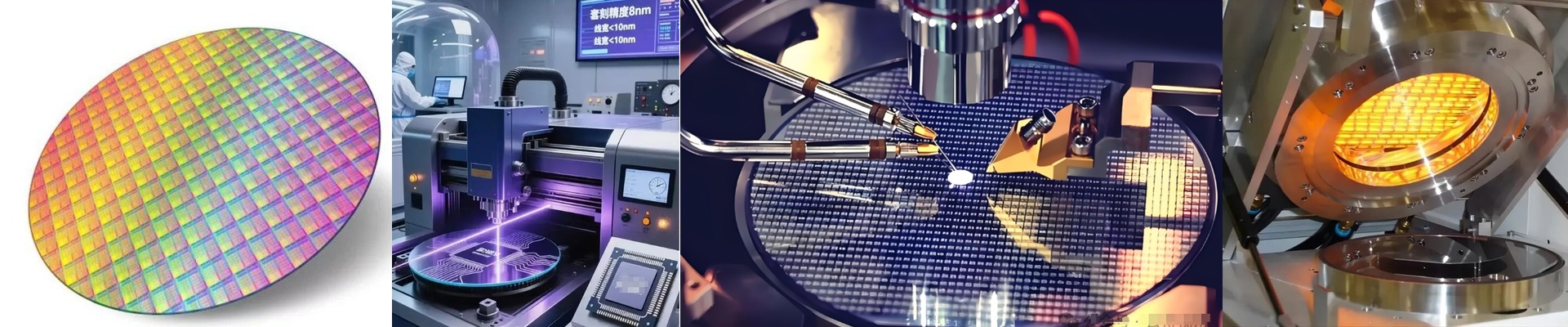
When you’re heating silicon wafers, you can’t afford a single slip-up. One tiny electrical arc or a spot where the insulation gives out isn’t just a nuisance. It kills the heating element, ruins the wafer, and—if you’re unlucky—fries your controller boards in one go. That’s why we treat dielectric strength as a deal-breaker.
We test every single lamp. No exceptions.
Some shops do “batch sampling.” They test a few tubes and assume the rest are fine. We don’t do that. Every single lamp goes through a high-voltage stress test before it even hits the shipping dock. We’re looking for pinholes or micro-cracks in the quartz and coatings that the human eye would never catch. If a tube leaks even a bit of current? It goes in the scrap bin. Here’s why this matters: wafer heating creates massive thermal gradients. That heat puts a lot of physical pressure on the seals and connectors. If the insulation is flimsy, the material expands as it heats up, which can open a door for electrical leakage. We make sure that door stays shut.
The battle for space
In wafer processing, you’re usually cramming lamps into a tiny footprint. When you’ve got high-voltage lamps packed that tight, you run into a problem called surface tracking. Basically, the current tries to “crawl” across the surface of the insulator to find a shortcut. We use specific dielectric coatings to stop that from happening. Just a heads-up: going with higher voltage is great because it lets you use longer tubes without losing power (current drop), but it pushes your insulation to the limit. If you go this route, double-check that your mounting brackets are grounded properly. It’s just common sense safety.
Balancing safety and heat
There is a bit of a tug-of-war here. If you slap on a thick layer of insulation, the lamp is incredibly safe, but it can slightly change how the heat reaches the wafer. You don’t want to choose between “safe” and “accurate.” We spend our time balancing those specs so you get the electrical protection you need without messing up your thermal uniformity. It just works.