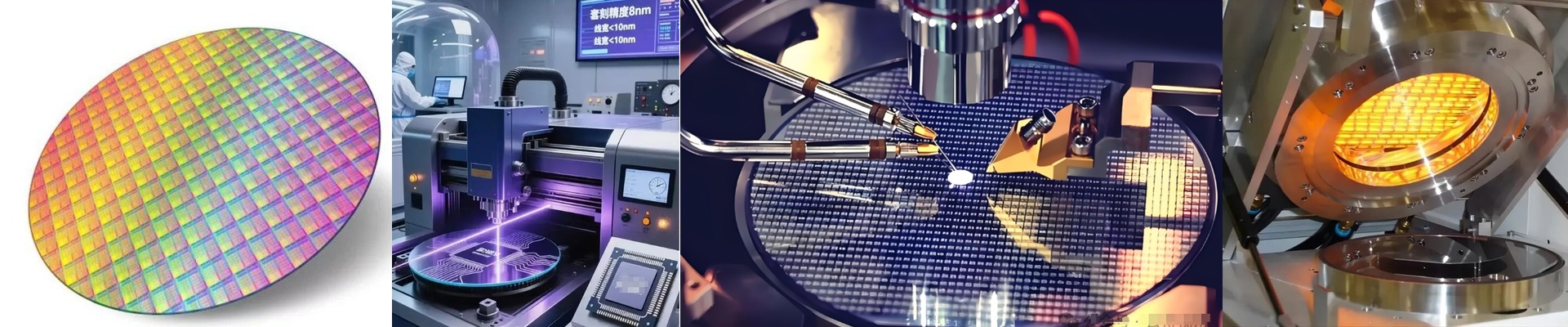

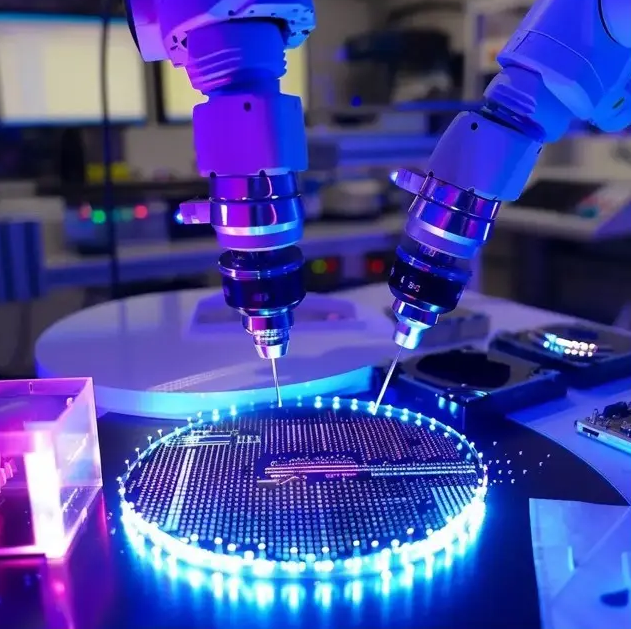
A Smarter Way to Dry MEMS Wafers (Without Wasting Energy)
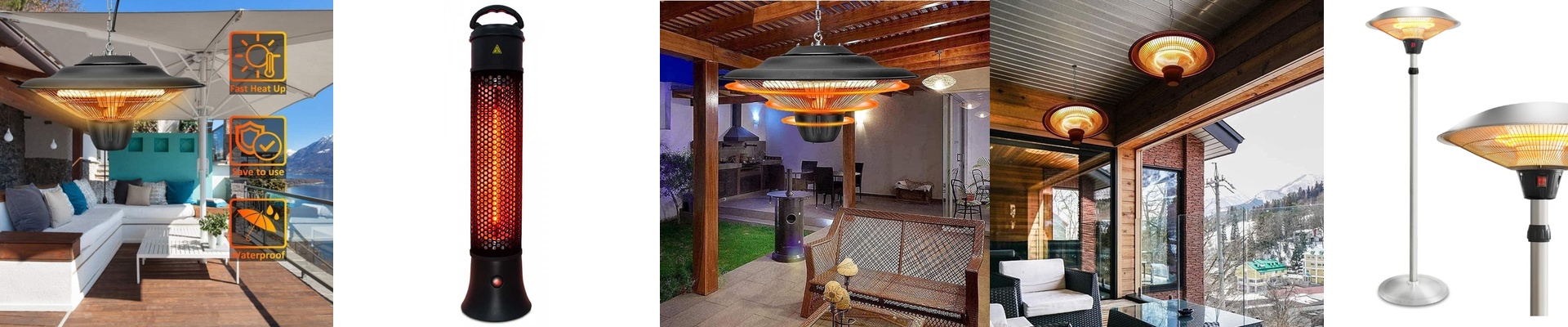
Let’s be honest: traditional MEMS wafer drying is a drag. Whether you’re using convection ovens or spin-drying, you’re basically just waiting around while a ton of energy disappears into thin air. It’s slow, it’s wasteful, and it’s outdated. We’ve found a better way. Instead of heating up the entire room just to dry a wafer, we use shortwave infrared (SWIR) heating. It’s a different approach. Instead of warming the air, we target the water molecules themselves. The moisture just vanishes. The physics of it is actually pretty cool. In a MEMS line, you’re walking a tightrope. You need enough heat to get the job done, but not so much that you warp the wafer. Our IR lamps hit a very specific wavelength that cuts right through that thin film of water left over after etching. Since you aren’t wasting power heating the air in the chamber, the energy draw drops significantly. It’s a win for your cycle time and a win for your carbon footprint. Now, let’s talk hardware. We build these with halogen filaments and high-purity quartz tubes. The result? Heat that hits the wafer almost instantly. But here’s the catch: you can’t just plug these into any old circuit. The power density is intense. If you try to cheat the clock by cranking the wattage too high, you’re asking for trouble—think thermal shock or “hot spots” that can ruin your MEMS structures. To keep things safe, you need a tight control loop. We usually suggest PID controllers paired with fast-response pyrometers. It keeps the temperature steady and prevents that dreaded overshoot. Getting it running (and keeping it that way) The best part? These lamps are basically drop-in replacements. We use standard connectors, so you aren’t spending days rewiring your setup. One thing to watch out for, though: cleanrooms are tough on gear. Chemical vapors love to attack quartz tubes. We use hardened glass, but you still need to keep an eye on “outgassing” or film buildup on the lamps. If the tubes get dirty, your heat transfer slips, and your energy efficiency goes right down the drain. Keep the optics clean, and your “green factory” goals actually stay reachable.