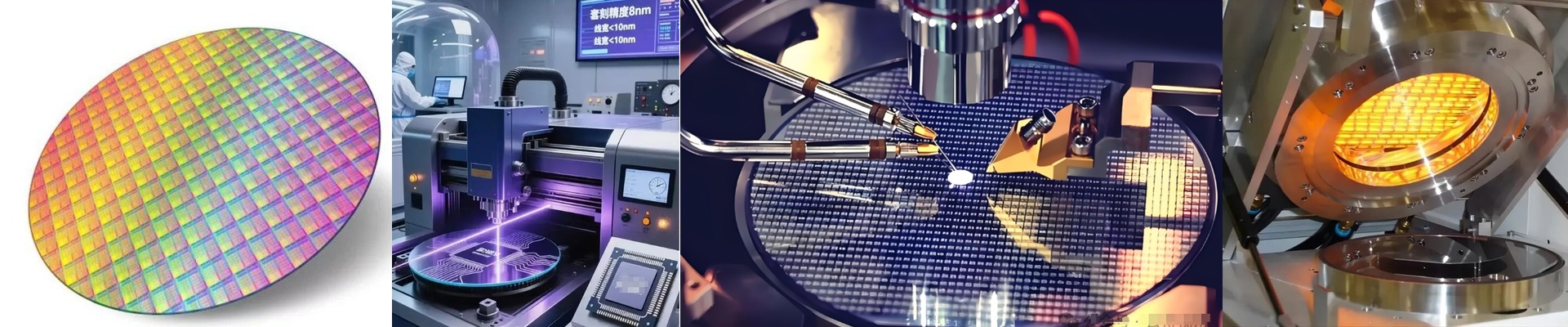


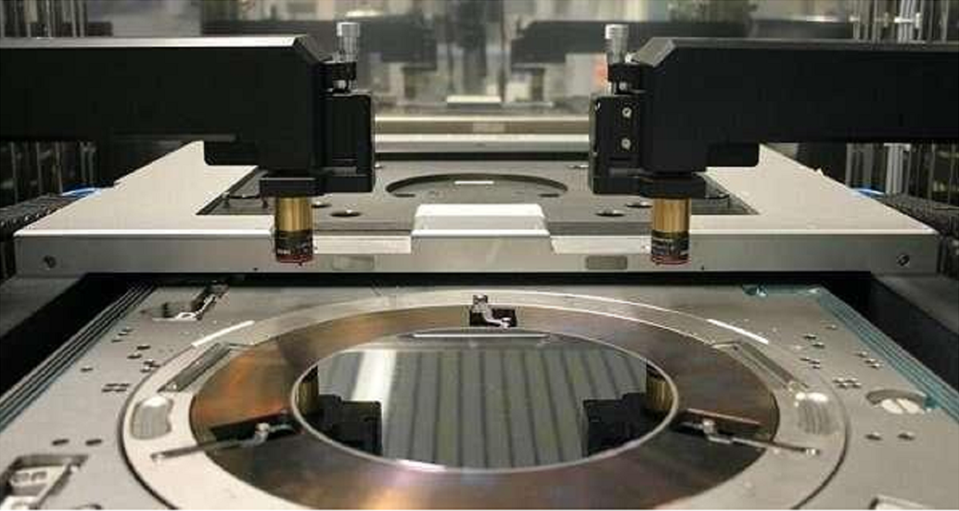
On the line, temperature drift doesn’t show up with a warning. It shows up as linewidth drift after exposure, or a photoresist profile that starts to wander lot-to-lot. With graphene, the margin for thermal excursions is even tighter: the substrate takes heat fast, the setpoint has to hold steady, and the thermal budget is non-negotiable. What matters, technically We built the graphene processing infrared lamp around NIR emission tuned for rapid, repeatable heating. Across the heated zone, we’re aiming for wafer-level uniformity within ±0.1°C, because that tiny window is what separates a consistent soft bake from CD control that starts to drift. The system runs in Class 1–100 cleanrooms and is engineered to generate zero particles: quartz components, purpose-built seals, and a stable filament path keep outgassing and flaking out of the equation. The payoff is bake profiles you can count on—shift after shift—without chasing drift. Why it holds up in practice What you need is heat that behaves like a setpoint, not a wildcard. In lithography, the lamp keeps soft bake and hard bake under tight control, which stabilizes photoresist viscosity, adhesion, and standing wave behavior. In graphene transfer and patterning, it delivers the fast, even temperature rise needed to manage residuals and interface quality without overshoot. That means fewer rework lots, less scrap, and a cycle time that stays put. Energy use comes down, too—thanks to efficient NIR coupling and fast thermal response—so soak windows shrink and the overall thermal load on the tool stays low. What to expect on install and in the field Installation comes down to matching the lamp footprint and thermal interface to the host platform, then tuning output density to the chamber geometry so you can hit that ±0.1°C uniformity window. Plan on a short commissioning run to nail the setpoints and confirm temperature mapping across wafer types. Keep the schedule for filament and window inspections—if you treat this as fit-and-forget, particle count will creep. But when you treat it as part of the process stack, it delivers the repeatability you need, day after day.