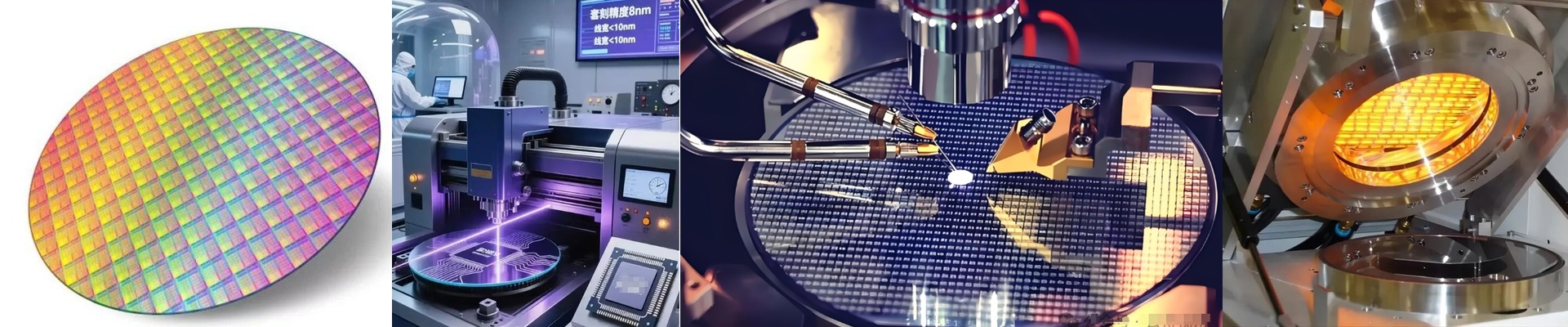
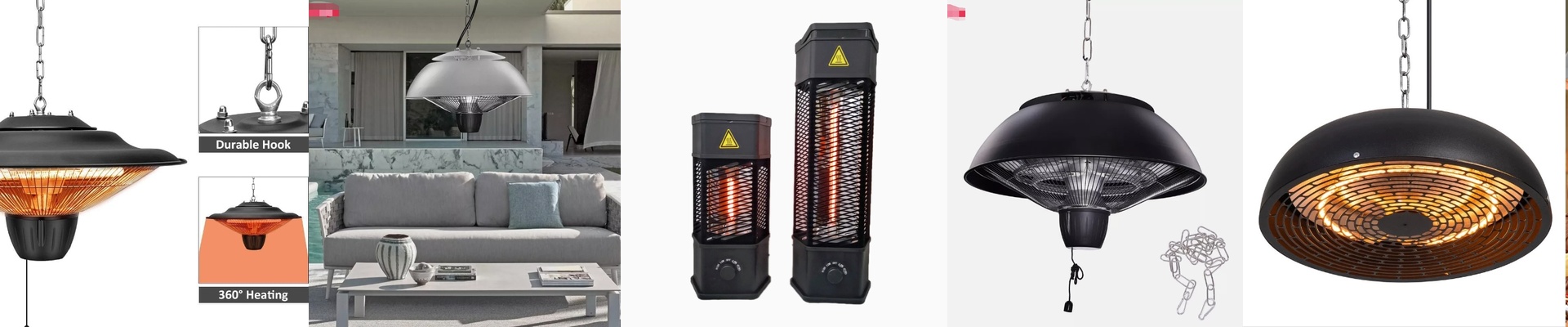
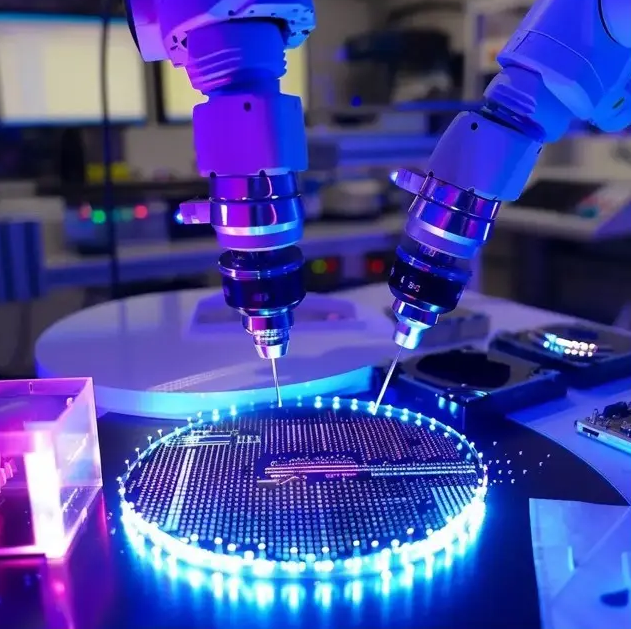
On the fab floor, you know the drill: a photoresist bake that drifts even 0.2°C can shift critical dimension bias and start bleeding yield. That’s where vacuum chamber infrared heaters earn their keep—right where conduction and convection are limited, inside the chamber under low pressure, during soft bake, hard bake, and wafer-level thermal steps. What matters under the hood We build these heaters around short-wave infrared emitters in a quartz envelope, so response is fast and output stays steady. Across the process window, you get wafer-level thermal uniformity within ±0.1°C. Cycle-to-cycle temperature repeatability is ≤±0.5°C, which protects critical dimensions and keeps film stress in line. The design generates zero particles, so it fits cleanroom Class 1–100 without drama. Control is closed-loop, with calibrated sensors matched to the emitter response—not guessed from chamber wall temperature. Why this works where it counts In lithography, you need repeatable soft bake to set viscosity and hard bake to lock the pattern down. In packaging, you need thermal profiles you can count on for underfill and reflow—without outgassing. Our vacuum chamber infrared heaters run 24/7 in production with zero unplanned downtime, and the energy draw stays honest against the thermal budget: ramp fast, overshoot minimal, and lower kWh per lot. That means fewer rework lots, tighter spec limits, and maintenance windows you can actually plan around. A few practical notes These heaters demand precise line-of-sight alignment inside the chamber and a clean power feed to keep spectral stability where it needs to be. They’ll interface with standard vacuum flanges and tool setups, but integration has to account for thermal mass and shielding—otherwise you risk hot spots on nearby components. Plan a short commissioning run to map emissivity and set the PID map for your specific chamber geometry.