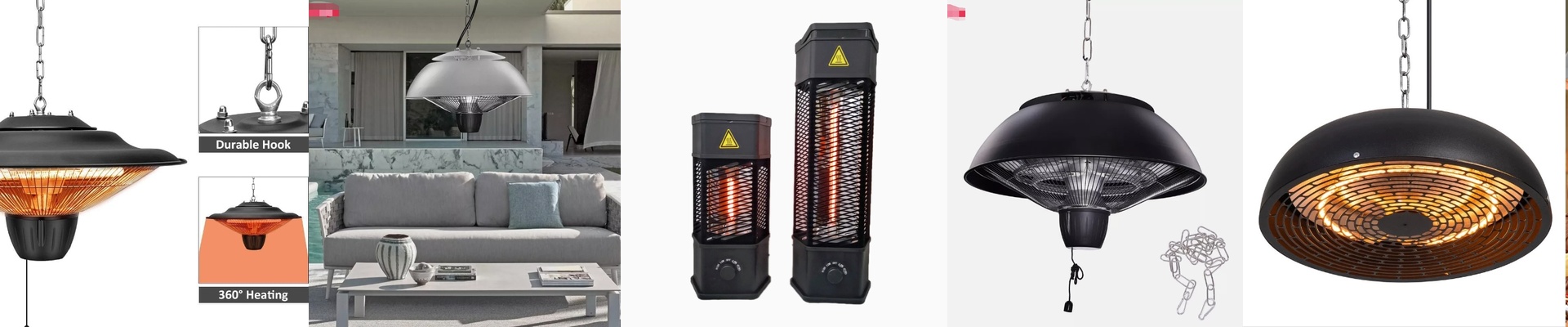

Why we put our bathroom lamps through the “damp-heat” ringer
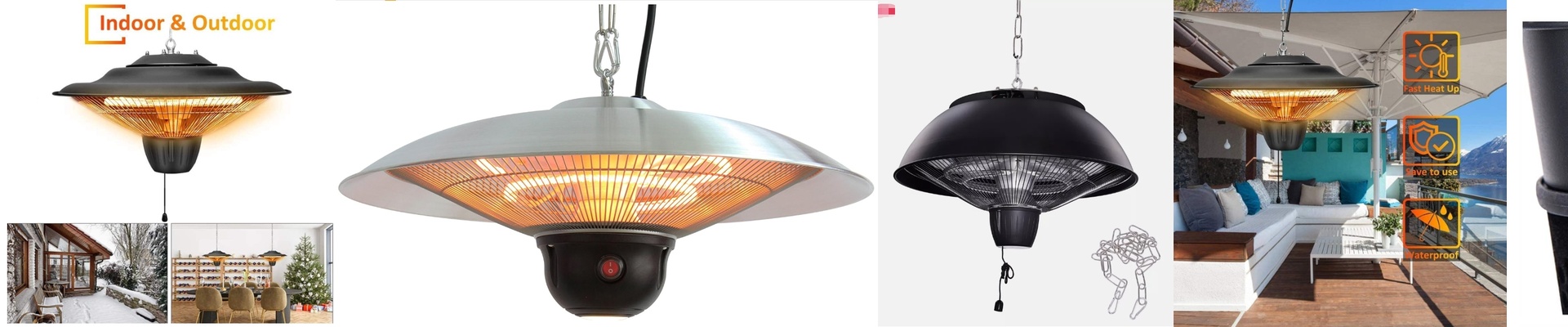
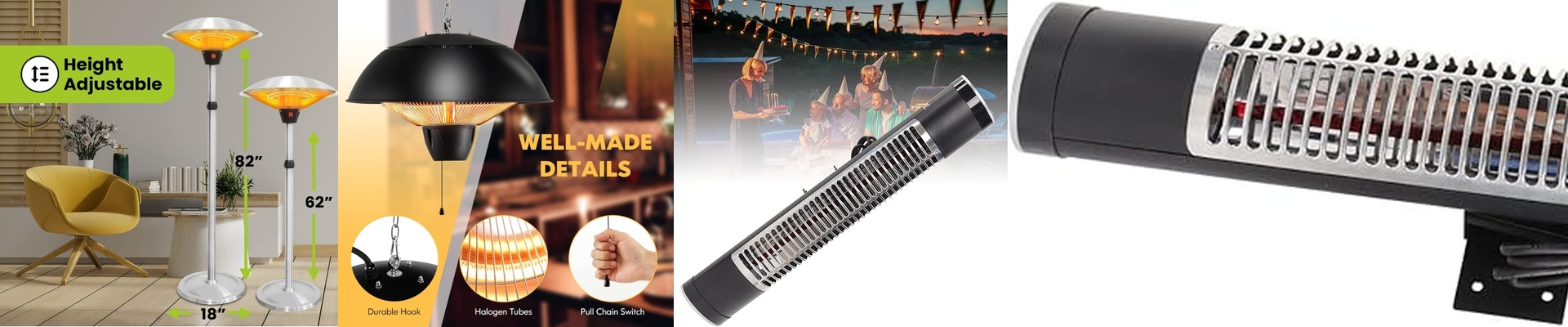
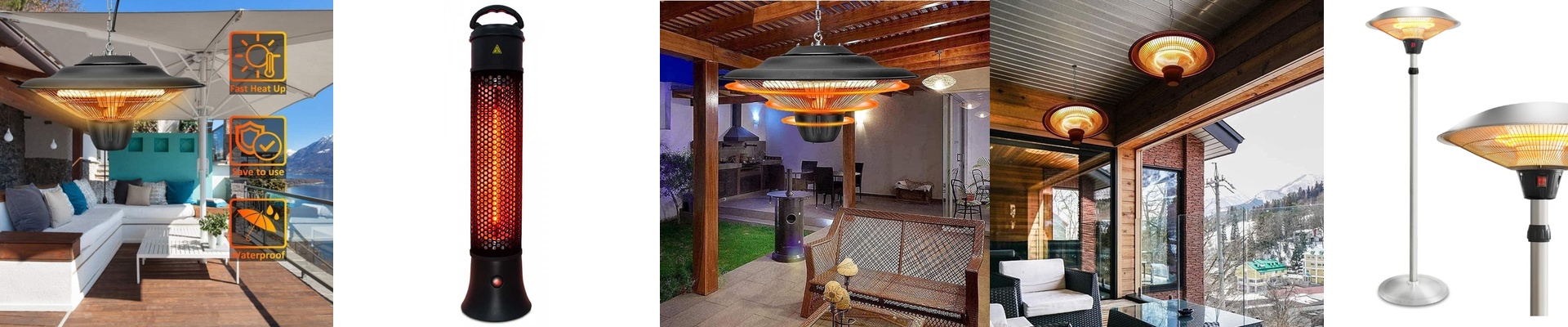
Let’s be honest: bathrooms are absolute nightmares for electronics. You’ve got thick steam, wild temperature swings, and constant moisture hanging in the air. It’s a recipe for disaster. That’s why we don’t just build a batch of infrared lamps and send them out the door. We put them through a “damp-heat aging test” first. Basically, we try to break them so they don’t break in your house. The battle against moisture Here is the thing about water vapor—it’s sneaky. It loves to find the tiny gap between the quartz tube and the metal end-caps. Once it gets inside and hits the electrodes, things go south quickly. You get oxidation, short circuits, and a lamp that just stops working. We use these tests to cram years of bathroom steam into a few hundred hours. If a seal is going to fail, we want it to happen in our lab, not on your ceiling. Handling the heat shock These lamps get incredibly hot. But then, you walk into the bathroom and a blast of cold, damp air hits the glass. That sudden change creates “thermal shock.” If the quartz isn’t just right, it can actually crack. By cycling the lamps between wet and dry phases over and over, we make sure the glass can take the beating without shattering. The honest trade-off Now, there’s a catch. To make these lamps last, we have to use waterproof seals and protective coatings. Does this slightly lower the raw heat output? Yeah, a little bit. But think about it this way: would you rather have a lamp that’s 10% hotter but dies in three months, or one that works perfectly for years? We’ll take the longevity every single time. We check the insulation resistance after every single cycle. If the numbers dip even a little bit below our limit, the whole batch gets scrapped. It’s a lot of extra work on our end, but it means you don’t have to deal with the headache of replacements and failed parts.