Keeping Bathrooms Warm Without Blinding Your Guests
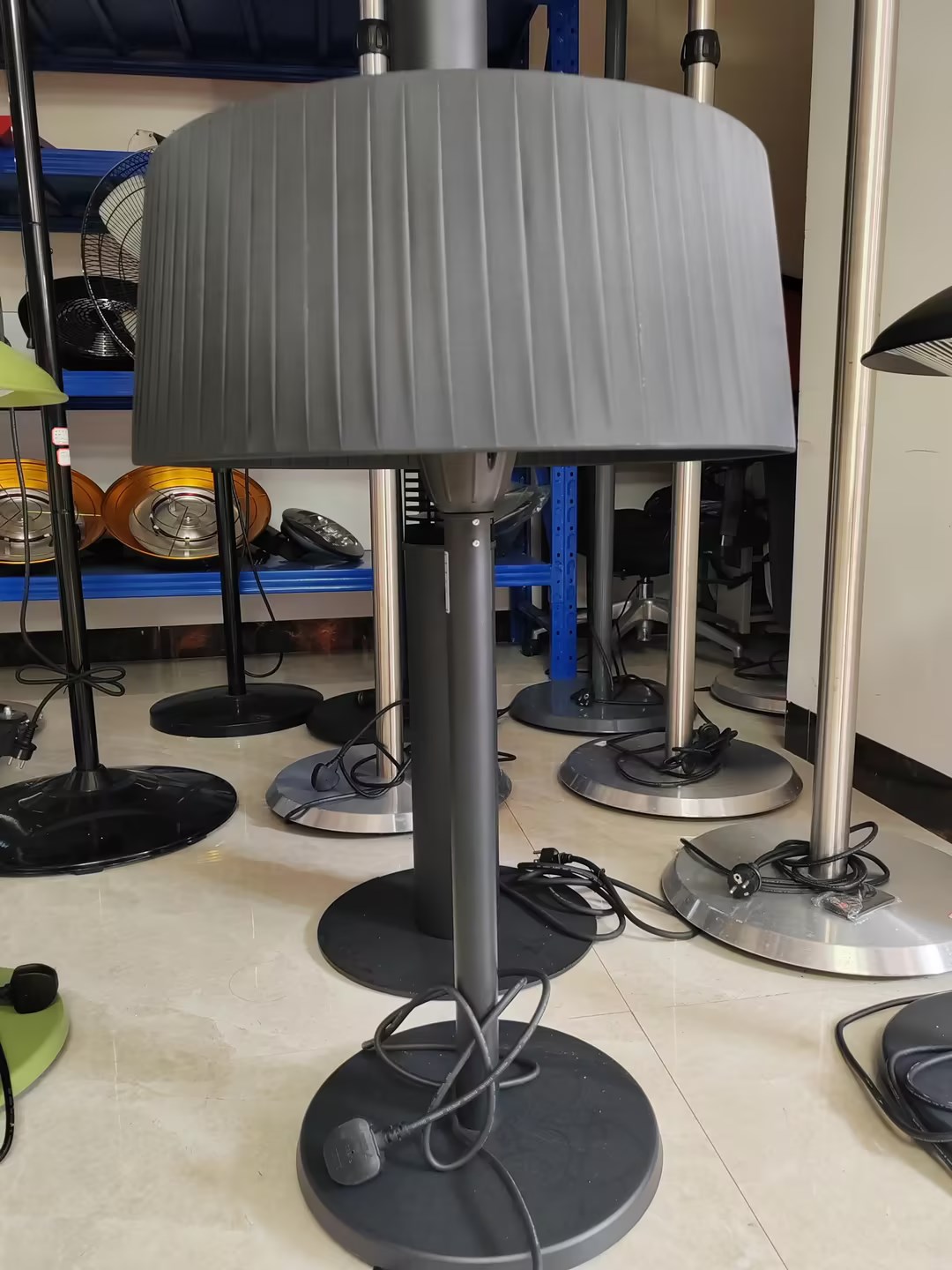
Putting infrared heat in a bathroom is a bit of a balancing act. You want that instant, cozy warmth the second you step out of the shower, but you can’t just blast a raw heat lamp in a room where people—and babies—are hanging out. Nobody wants to feel like they’re under a heat lamp at a buffet, and more importantly, you don’t want that harsh glare messing with anyone’s eyes. The trick is in the light. Most industrial lamps just throw everything at you. To fix that, we use special quartz coatings or filtered halogen elements. Think of it like a pair of sunglasses for the heater. It cuts out those aggressive blue peaks and UV rays that strain your eyes. Instead, we push the energy into the long-wave spectrum. The result? The heat sinks into your skin and the room’s surfaces, but the blinding glare disappears. You get the warmth, but not the headache. Then there’s the water problem. Water and electricity are a terrible mix. That’s why we wrap everything in an IP65-rated shell. Basically, it’s a tight seal that keeps dust and splashing water out of the electronics. But here’s the catch: when you seal a heater in a box, the heat has nowhere to go. If you cram a high-wattage lamp into a tiny space, the inside of that housing is going to bake. To stop the wiring from literally frying, we use aluminum heat sinks. They pull the heat away from the electrical terminals and vent it out. Without that, your heater is basically a ticking time bomb for a short circuit. Getting it installed We keep the connectors standard so these are easy to swap out. The most important part? Make sure the cable entry point is sealed tight. One last tip: check your circuit breaker. Halogen elements have a big “inrush current”—a sudden spike of power the moment they click on. If your voltage is jumping around, the filament will burn out way faster than it should. Keep the power steady, and the lamp will last much longer.