

Stop Wasting Your Heat: Why Gold-Coated Reflectors Actually Matter
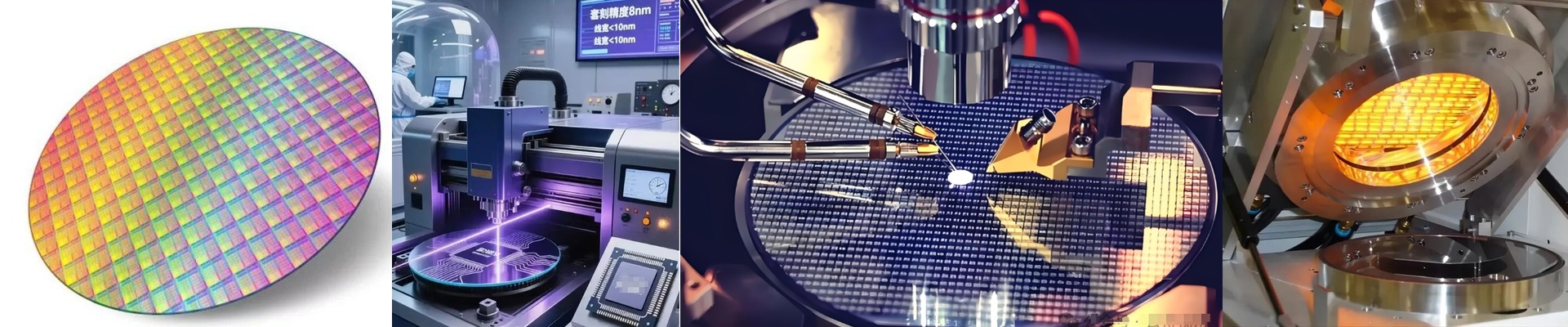
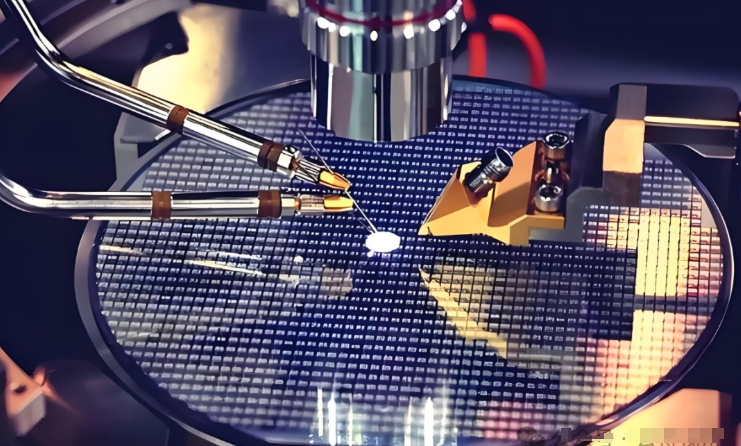
If you’re running an IR lamp in wafer processing and you aren’t using a high-end reflector, you’re basically throwing half your power away. It’s a simple problem: lamps radiate energy in both directions. Without a way to push that backward heat back toward the wafer, you’re just heating up the air in your shop. That’s where gold-coated aluminum comes in.
Why gold? (And why not just polished aluminum?)
Now, polished aluminum isn’t terrible. It does the job to a point. But when you get into the long-wave infrared spectrum, aluminum starts to struggle. Gold is different. It reflects IR energy with way more efficiency. We don’t make the whole thing out of gold—that would be insane. Instead, we use a precision-machined aluminum base and coat it in gold. You get the lightweight feel of aluminum but the raw performance of gold. The result? The reflector doesn’t soak up the heat itself; it just bounces it right back where it belongs.
Getting the heat where it needs to go
It’s not just about the material; it’s about the shape. By tweaking the curve—think parabolic or elliptical—we can pin that IR radiation into a tight spot on the wafer. This is the secret to hitting your target temperatures faster without having to crank up the wattage on your lamps. But a word of caution:don’t overdo it. If you focus the beam too tightly, you’ll end up with hot spots. If your PID controller isn’t dialed in to handle that extra flux, you might accidentally cook the edges of your wafer. It’s a balancing act.
Real-world use and the “golden rule” of cleaning
These are designed to be drop-in replacements. We machine them to tight tolerances so they stay put and don’t rattle around while your system is humming along at high speeds. Here is the catch, though: gold is a bit of a diva. It hates contamination. If oil or chemical vapors settle on that surface, your reflectance drops and you’re back to wasting energy. And please,do notgrab an abrasive scrub pad. You’ll strip the coating right off. Stick to a soft, solvent-based wipe. Be gentle, or you’ll be buying a new reflector sooner than you’d like.