

Cutting Carbon in the Fab with UHP Infrared Lamps
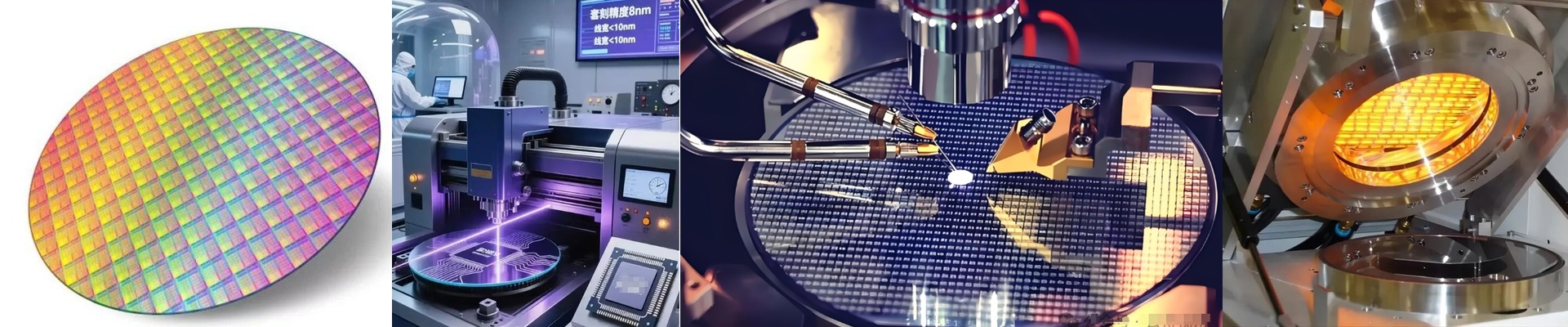
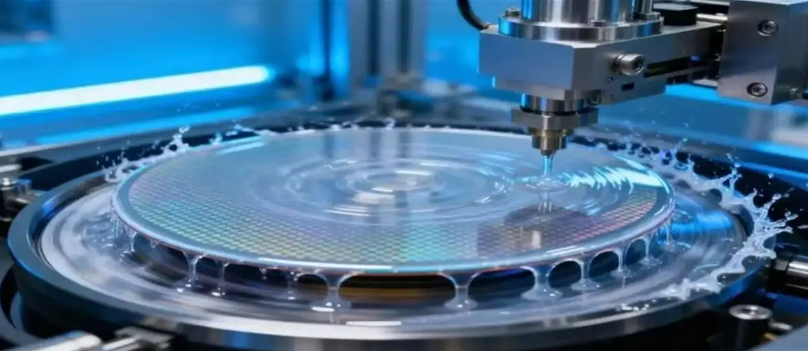
Making semiconductors is all about hitting that perfect temperature. For a long time, we’ve relied on resistive furnaces, but let’s be honest: they waste a ton of energy. You’re basically heating up a whole room just to get one wafer to the right temp. That’s why we use Ultra High Purity (UHP) infrared lamps. Instead of heating the air and hoping for the best, IR radiation goes straight to the wafer. It’s direct. It’s efficient. It just makes sense. Speed and Power These lamps are built to move fast. We’re talking rapid ramp-ups and ramp-downs using high-wattage quartz. Because the heat goes exactly where it’s needed, the tool doesn’t just bake everything around it. The beauty of this is the cycle time. You spend less time idling and waiting for things to warm up, which means your kWh per wafer drops significantly. It’s a win for the clock and the electric bill. Keeping it Clean In a cleanroom, the smallest bit of “stuff” where it shouldn’t be is a nightmare. Outgassing can ruin a whole batch. To stop that, we use high-purity synthetic quartz. No cheap glues. No low-grade ceramics. Just clean materials that won’t leak metallic impurities onto your silicon. Plus, the whole setup is tough enough to handle extreme heat cycles without cracking under pressure. The Reality of the Setup Now, here is the catch. If you’re moving toward a “Green Factory,” you can’t just plug these in and walk away. You have to rethink how you handle power. High-density IR lamps pull a lot of current. If your power panel is too small, you’ll get voltage drops. When that happens, your temperature uniformity goes out the window, and that’s a problem nobody wants. And don’t forget the cooling. You have to balance that massive heat output with your chiller capacity. If your cooling loop can’t handle the ambient heat soak, your seals will burn out and the life of your lamps will plummet. It’s a bit more work on the electrical and cooling side, sure. But you’re trading that complexity for a massive jump in energy efficiency. It’s the most honest way to shrink the carbon footprint of your fab.