
Why Hot Air is Killing Your Biosensor Throughput
When you’re fabricating biosensors, you’re playing a dangerous game with heat. You need to cure polymers or activate surfaces just right—too cold and it doesn’t work, too hot and you’ve just fried your substrate. Most shops I talk to are still using hot air circulation. Honestly? It’s a massive time sink.
The problem with “waiting for the air”
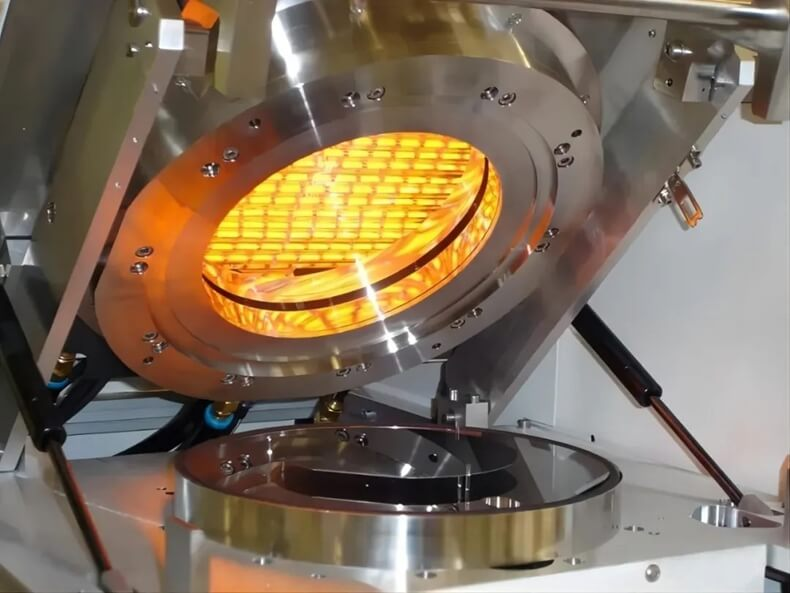
Think about how a hot air oven works. You heat the air, then the air has to heat the part. It’s a middleman process. That creates this annoying thermal lag where you’re just sitting there, staring at a timer, waiting for the heat to actually soak in. Infrared (IR) lamps cut out the middleman. Instead of warming up the room, IR sends radiant energy straight into the material. The photons hit the biosensor and turn into heat instantly. In my experience, this knocks your ramp-up times down by 60% to 80%. It’s fast. Really fast. And that changes everything for your daily workflow.
Fitting it into your line
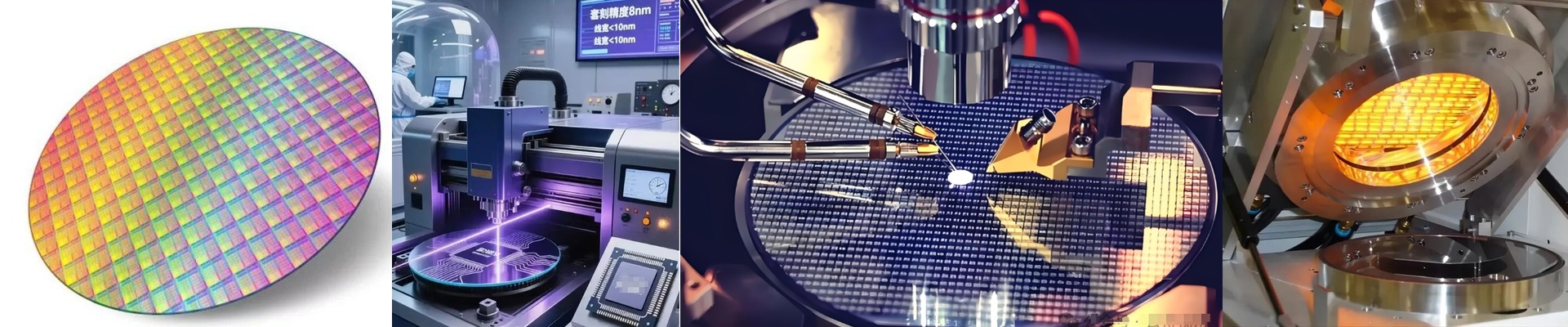
It’s not just about the clock, though. It’s about the space. Hot air systems are bulky. You need these giant insulated boxes and loud blowers taking up half the lab. An IR array is way sleeker. You can basically drop it right into your existing line. Plus, you can aim the lamps so they only hit the wafer, which keeps the rest of your jig cool to the touch. We usually go with short-wave IR for this. It digs deeper into the fabrication layers, so the core of your sensor hits the target temperature at the same time as the surface. No uneven curing, no surprises.
The catch (because there’s always one)
Now, IR isn’t a magic wand. Since the heat is so intense, it’s easy to overshoot your target if you aren’t careful. You can’t rely on slow sensors here. You need fast-response thermocouples and a PID controller that’s actually been tuned. If your sensor is lagging, you’ll burn through the organic layers of your biosensor before the machine even realizes it’s too hot. And don’t forget the cooldown. You’ll need a cooling system that can handle the rapid heat dump between cycles, or you’ll just be trading one waiting game for another.