Why Your Bathroom Heater Needs an IP65 Upgrade
Let’s be honest: those old-school heat lamps in bathrooms usually suck. They struggle in the humidity, and more often than not, they just aren’t built for a room full of steam. That’s why we’ve been moving toward IP65-rated infrared heaters. It’s not just a fancy upgrade—it’s a common-sense fix for a wet environment.
What “IP65” Actually Means for You
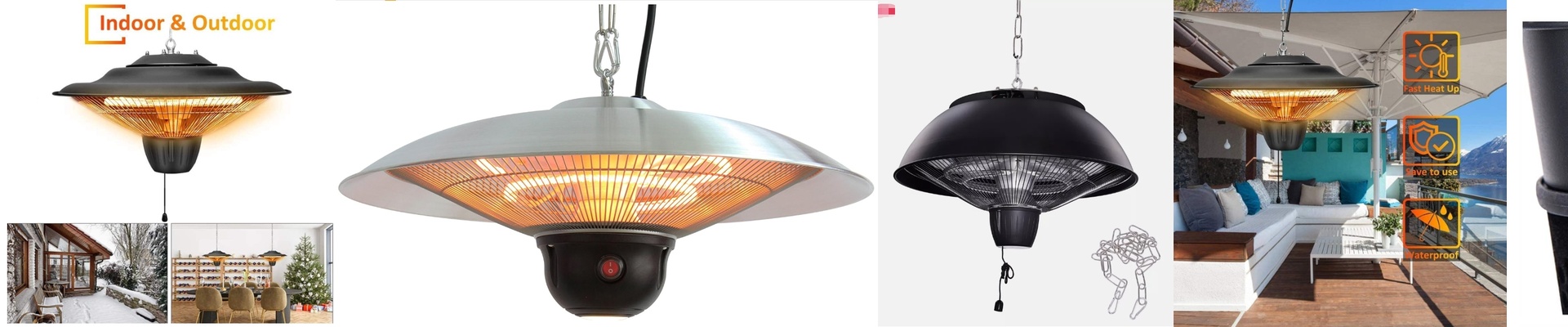
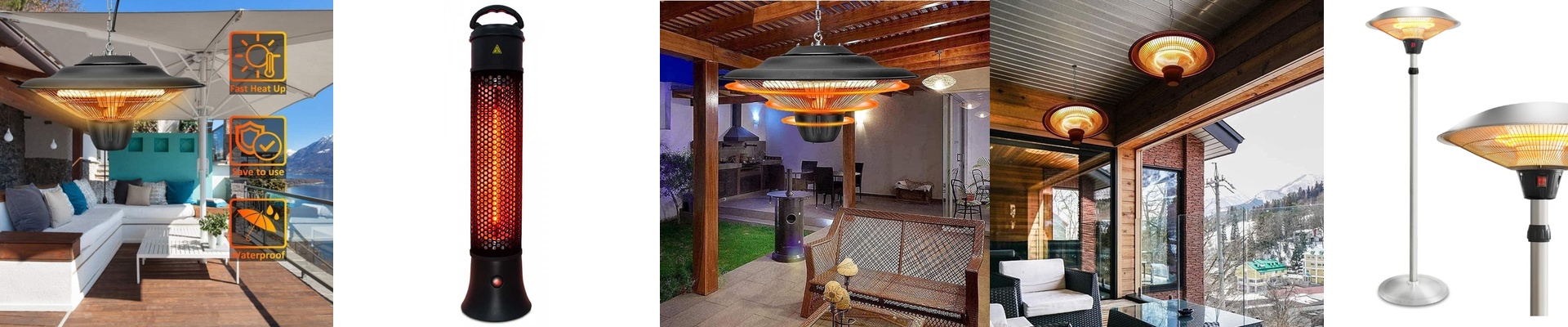
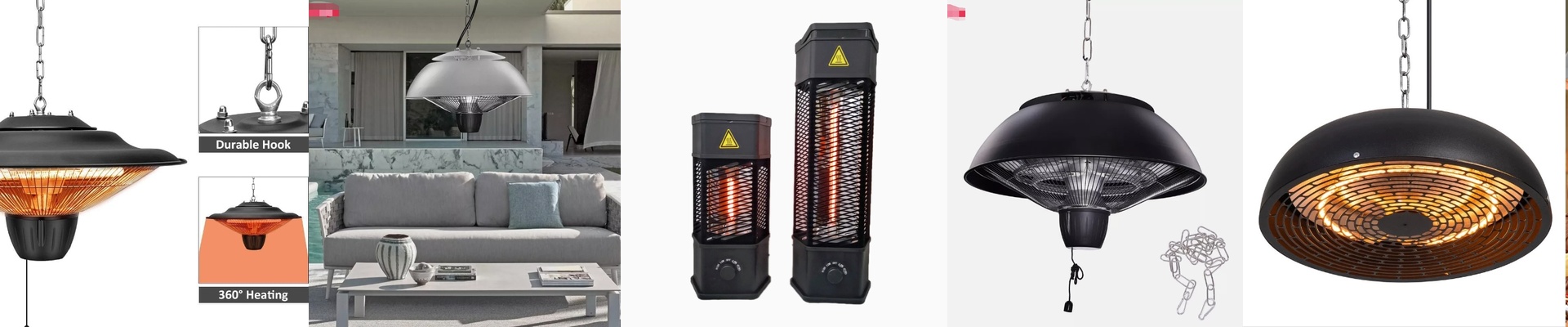
If you see “IP65” on a box, it basically means the unit is dust-tight and can handle a direct blast of water without flinching. Think about your bathroom. You’ve got steam everywhere and the occasional splash. In a cheap heater, that moisture seeps in, shorts out the electronics, or just eats away at the casing. We seal these units tight to keep the water far away from the electrical guts. Then there’s the heat itself. Instead of trying to warm up all the air in the room (which takes forever), infrared sends warmth directly to your skin and the surfaces around you. It’s instant. You flip the switch, and you feel it immediately.
The Balancing Act: Design and Materials
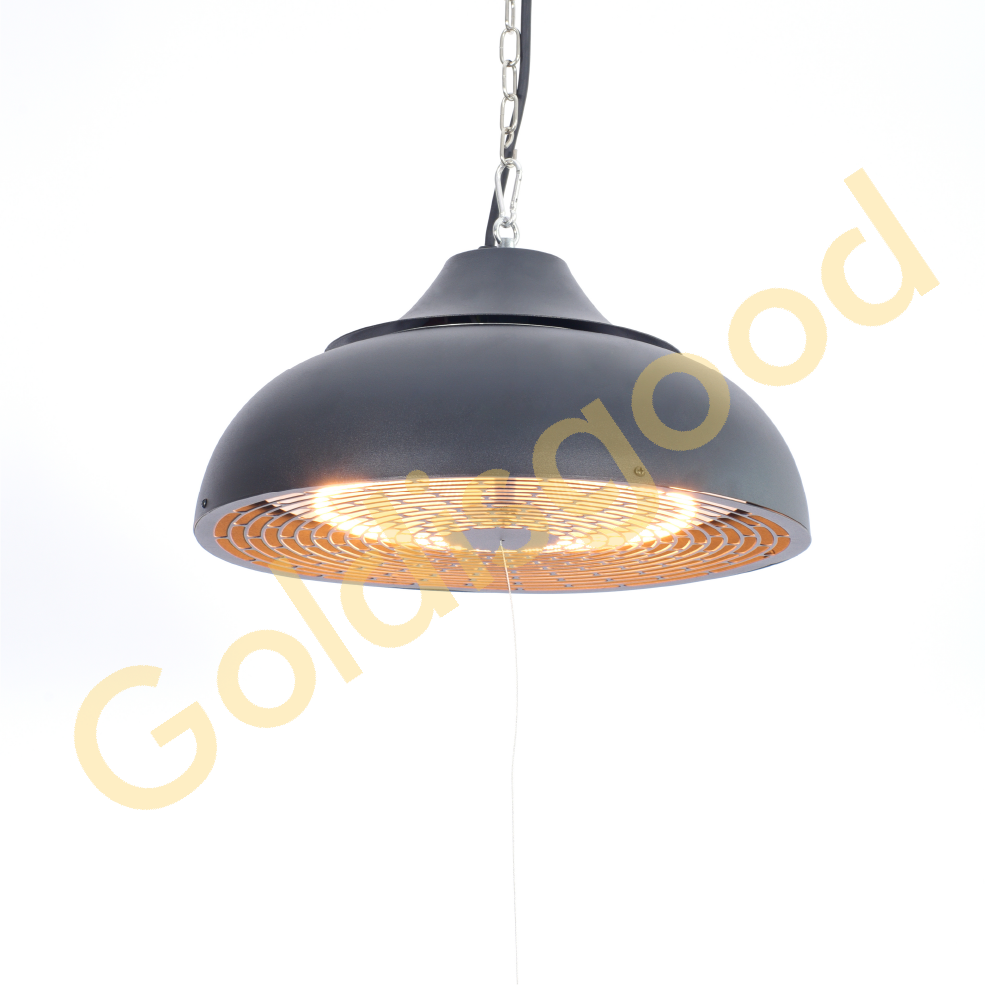
To make this work, we use quartz glass tubes and reflectors that push the heat straight down. To keep it waterproof, we wrap the whole thing in a shield made of tempered glass or polycarbonate. But here’s the tricky part: we have to balance raw power with safety. A high-wattage element gets you warm fast, but it also makes the fixture itself get pretty hot. We pick materials that can take that heat without cracking the waterproof seals. Because if a seal pops, the “waterproof” part of the equation disappears, and that’s a problem nobody wants.
Getting It Set Up (and Keeping It Working)
The good news? These are usually drop-in replacements. You can swap out your old lamp and wire it into the same circuit. Just double-check that your breakers can handle the initial power surge when a high-wattage infrared element kicks in. One last thing. Even though they’re rated for splashes, they aren’t magic. If you have hard water, you’ll eventually see mineral buildup on the outer shield. It looks like a cloudy film, and it actually blocks those infrared rays from hitting you. If you feel like the heater isn’t hitting as hard as it used to, just give the shield a quick wipe-down. It’ll be back to full strength in seconds.