
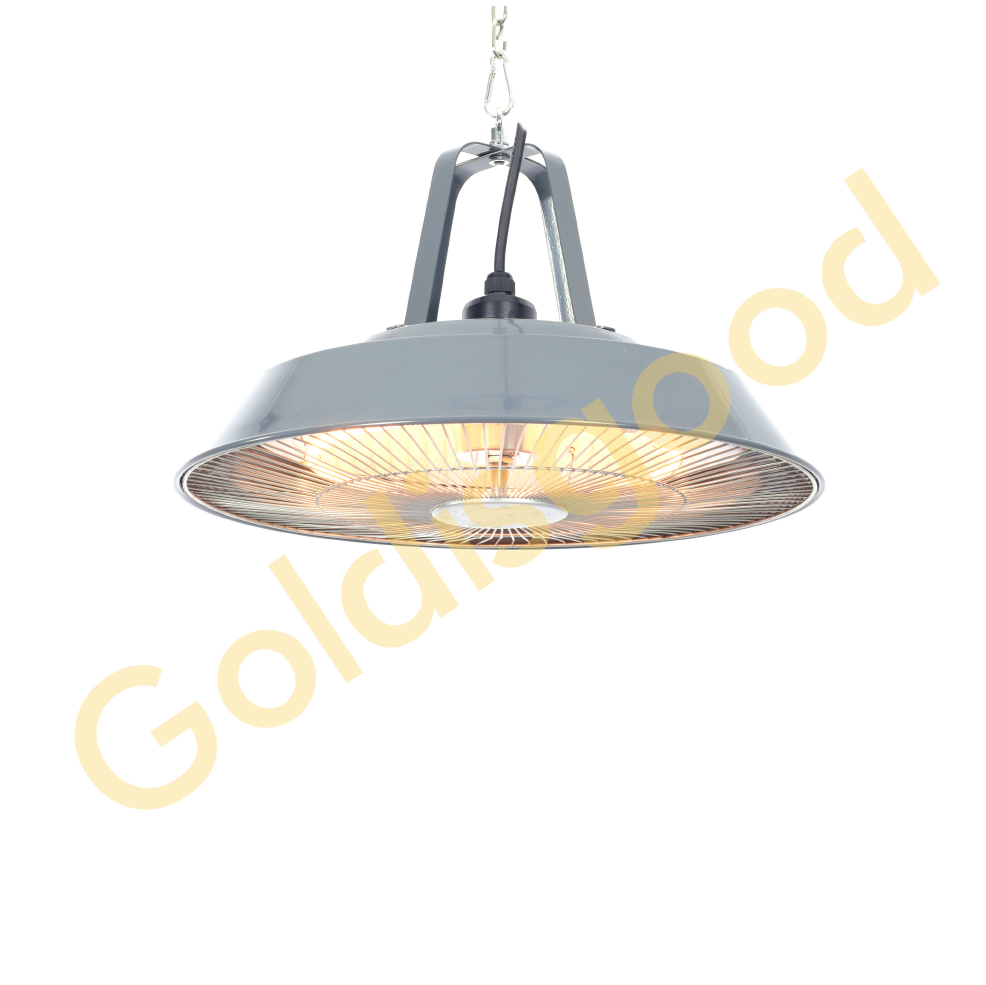
Picking the Right Infrared Heater for Your Bathroom
Getting the wattage right for a bathroom heater is a bit of a balancing act. If you go too big, you’re just throwing money away on electricity and risking a fixture that runs way too hot. Go too small? You’re left shivering in a cold room, wondering why you even bothered installing it.
Size Matters (And So Does Volume)
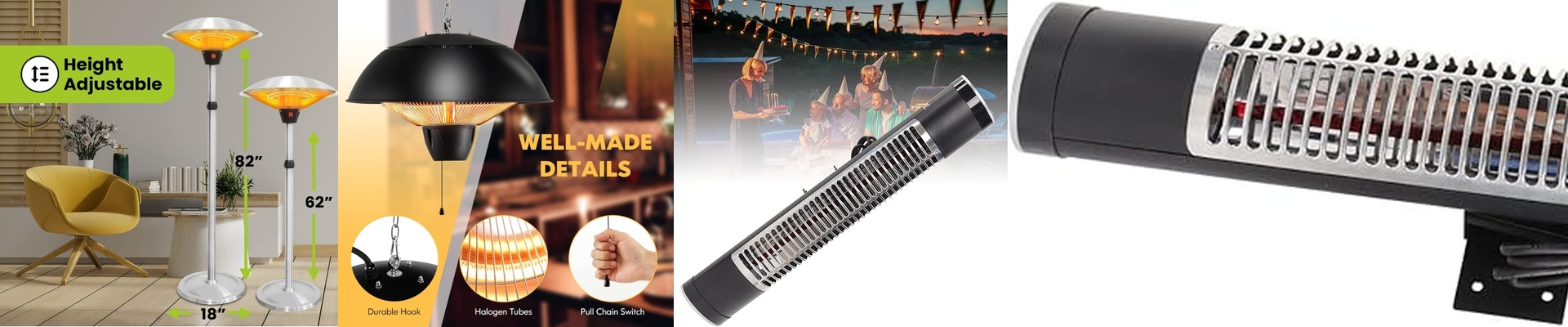
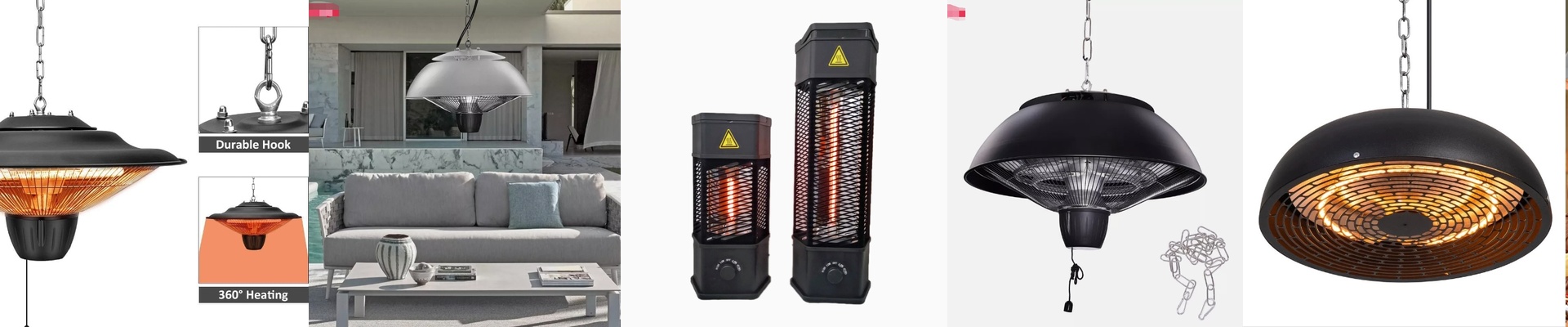
Here is the thing about shortwave infrared: it doesn’t bother heating the air. It goes straight for the people and the objects in the room. It’s that instant “sun on your skin” feeling. If you’re dealing with a tiny powder room (under 4m²), a 400W to 600W lamp usually does the trick. But once you move into a medium-sized bathroom (4m² to 8m²), you’ll want to bump that up to 800W or 1200W. For those massive master baths, you’re looking at high-output 1500W+ lamps, or maybe a few smaller units spread out. Just keep in mind that distance plays a huge role. The further the lamp is from where you’re standing, the more power you’ll need to actually feel the heat.
Keeping the Water Out (And the Heat Managed)
Bathrooms are tough on electronics. Between the steam and the splashes, water is the biggest enemy here. That’s why an IP65 rating is a must—it keeps the dust and water jets from messing with the electrical terminals. But there’s a catch. When you seal a heater that tight to keep water out, the heat has nowhere to go. High-wattage lamps get incredibly hot at the base. If the housing is too cramped or doesn’t breathe, the internals will fry. To stop this, we use high-temp wiring and gaskets that won’t crack after being heated and cooled a thousand times.
Speed vs. Your Circuit Breaker
It’s tempting to go for the highest wattage possible because it hits that cozy temperature faster. But your circuit breaker might have a different opinion. If you plug three 1500W heaters into one line, you’re probably going to trip the breaker the moment you flip the switch. It’s a pain. To avoid the dark, we usually suggest using different power ratings for each lamp or just running a dedicated circuit. It keeps everything stable and saves you a trip to the fuse box.