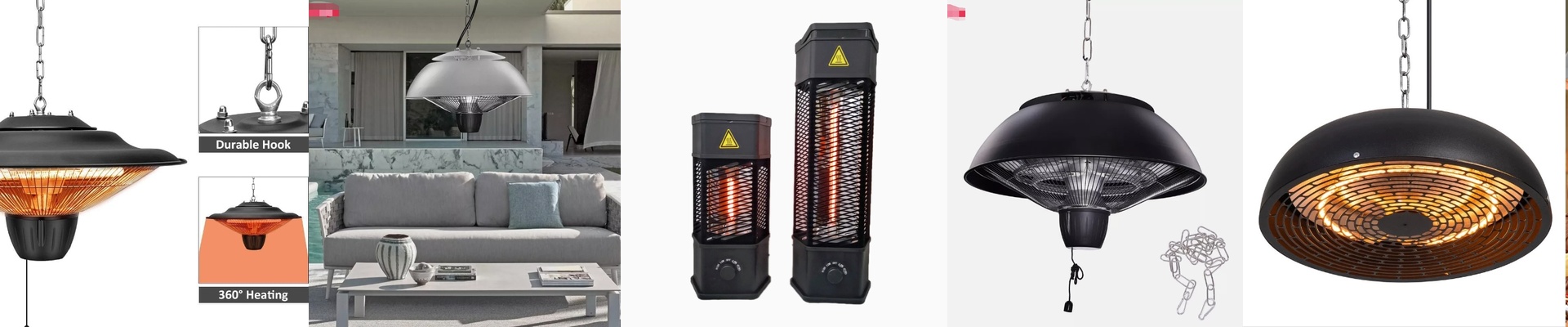
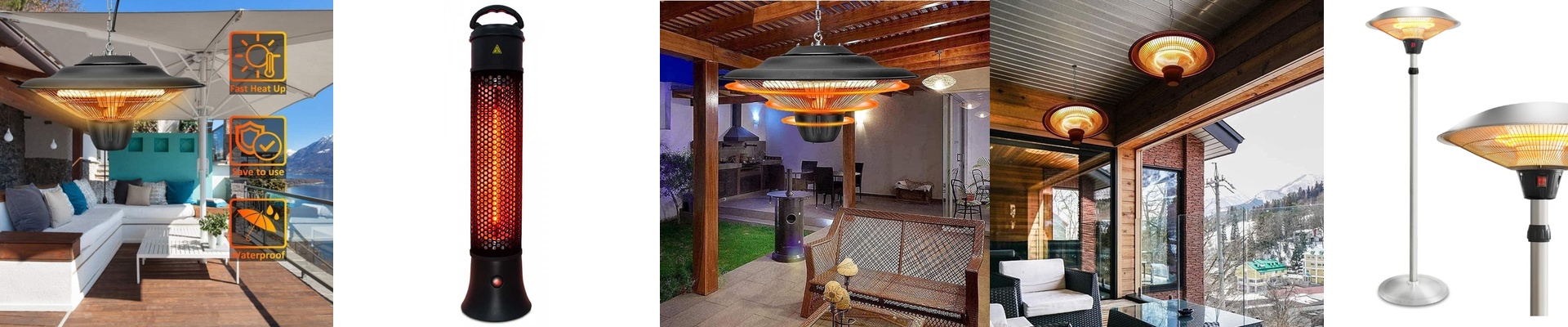
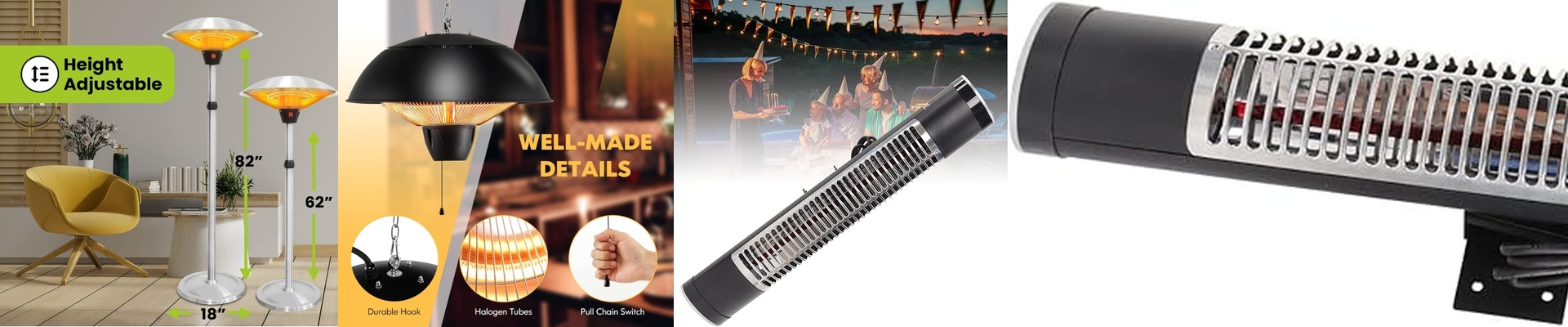

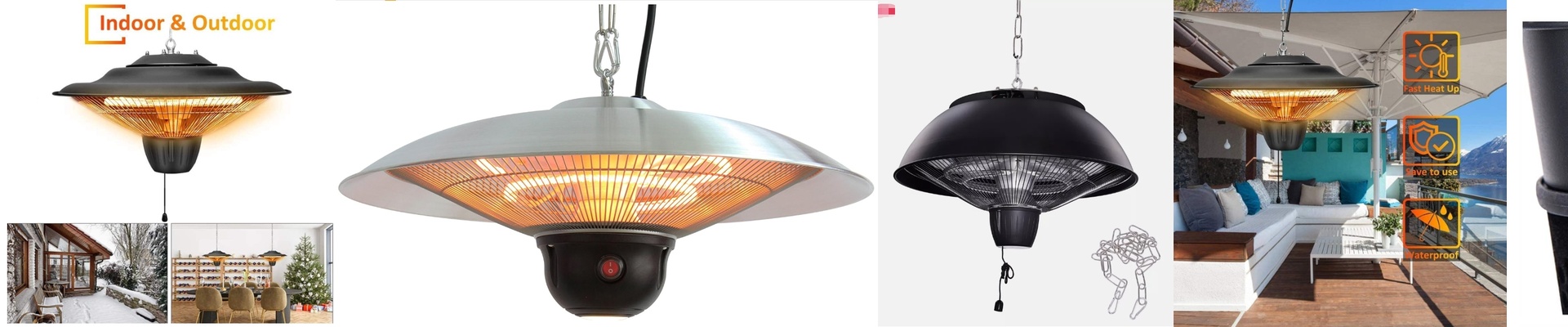
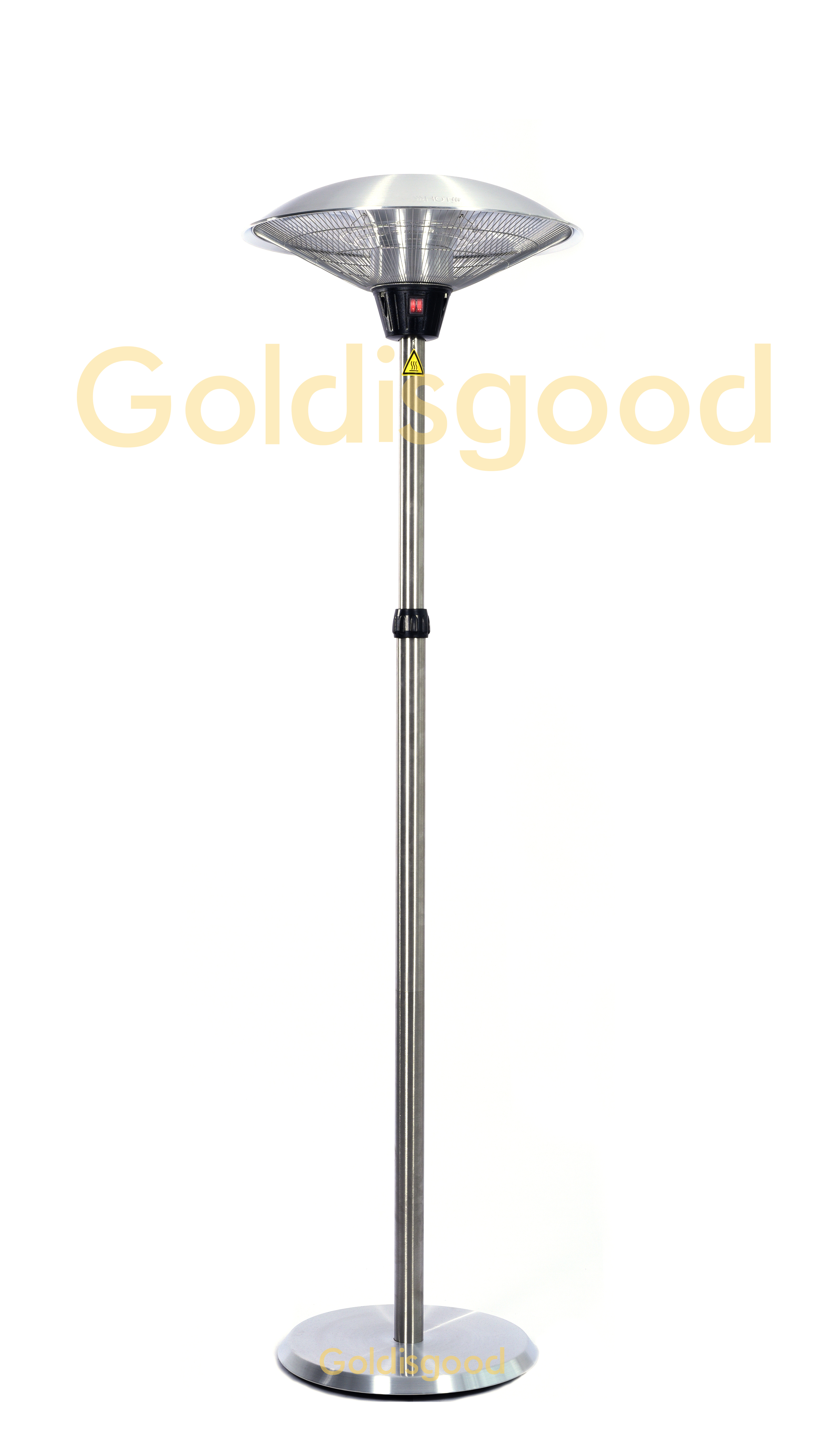
Let’s be honest: outdoor garden heaters have a rough life. Between the dust, the rain, and those brutal temperature swings, the heating elements eventually give out. It just happens. The problem is that most IP65-rated heaters are sealed so tight that they’re basically a nightmare to fix. If a tube burns out, you’re usually stuck with two choices: throw the whole expensive chassis in the trash or spend an entire afternoon wrestling with stubborn gaskets. We got tired of that. So, we changed how these things are built. The “Swap and Go” Approach We decided to move to a modular setup. The idea is simple: you should be able to swap out the infrared heating module without ruining the weatherproofing of the main housing. Instead of soldering everything together in one big, permanent mess, we use isolated brackets and quick-disconnect terminals. If a tube dies after five years of hard work, you don’t have to strip the whole unit down. You just pop the cover, slide the old element out, and drop a new one in. It takes minutes. No specialized tools, no soldering, and definitely no standing in the rain trying to figure out where a screw goes. The Trade-off Now, keeping things waterproof while making them easy to open is a bit of a balancing act. To make this work, we use compression seals and reinforced gaskets where the module meets the frame. Does it make the heater a little bulkier? Yeah, a bit. But we figured most people would rather have a slightly thicker heater that you can actually fix than a slim one that becomes a paperweight the moment a part fails. Why This Actually Matters When you look at the long-term cost, this changes everything. You stop treating your heaters like disposable appliances. If you keep a few spare tubes on the shelf, that outer shell and the electrical controls can last almost indefinitely. We built this for the technician who’s had enough—the person who doesn’t want to spend their Tuesday fighting a rusted screw just to get a terrace warm again.