How to actually pick an infrared heater for your bathroom ceiling
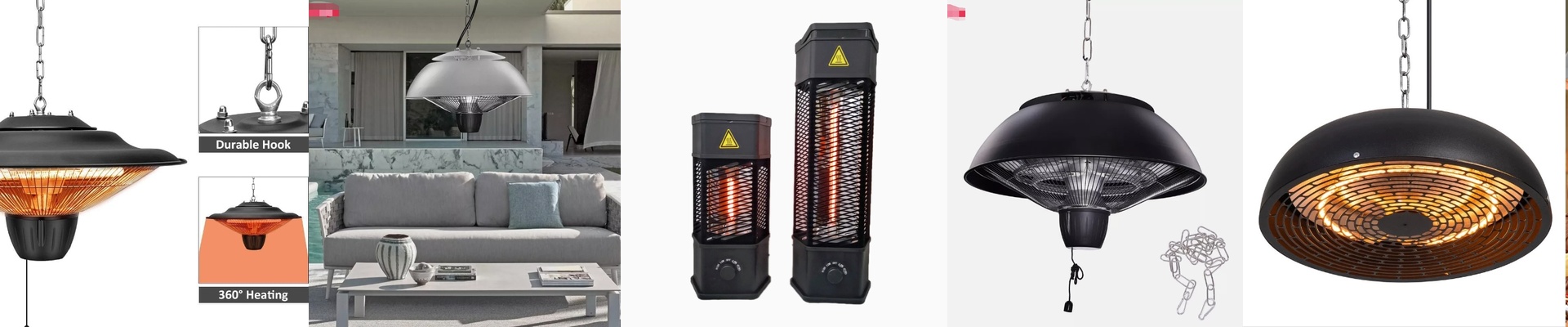
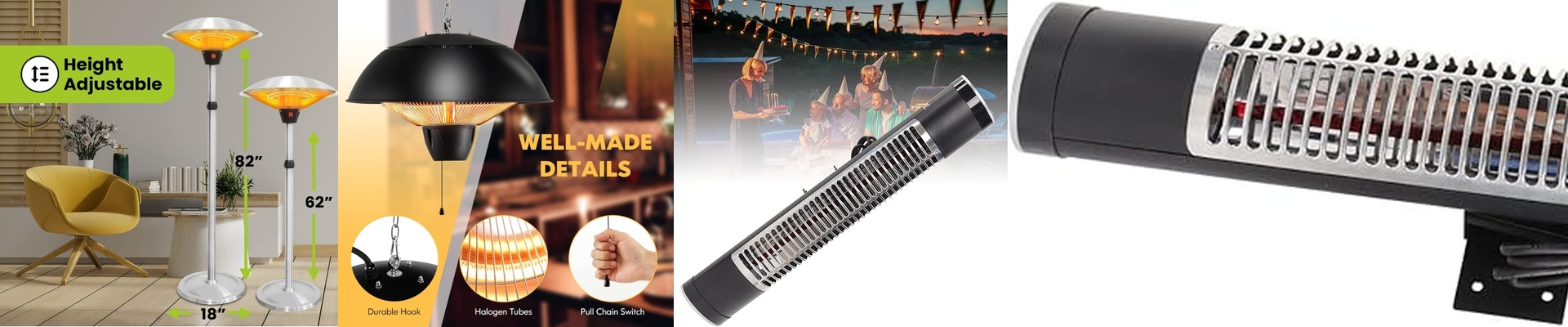
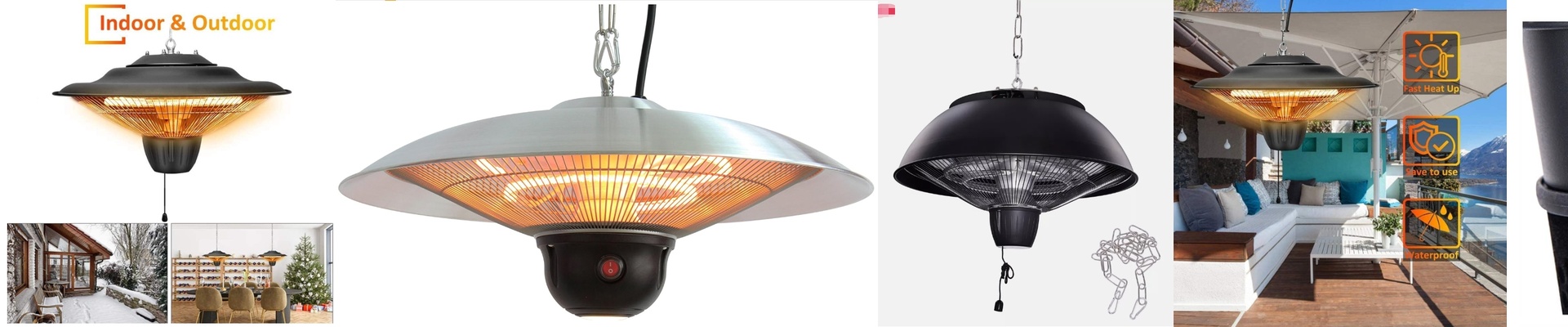
When you’re looking at ceiling heaters, the instinct is usually to go for the most powerful one on the shelf. But that’s actually a mistake. It’s less about raw power and more about making sure the heat actually fits the size of your room. Otherwise, you’re just paying for electricity you don’t need—or worse, making the room feel like a sauna. Getting the power right If you’ve got a tiny powder room (anything under 4m²), keep it simple. A small lamp between 250W and 400W is plenty. Since the ceiling is so close to your head, you don’t want anything too intense, or you’ll feel like you’re standing under a heat lamp at a buffet. For those mid-sized bathrooms (4m² to 8m²), you’re looking at the 600W to 800W range. Now, if you’ve got one of those massive luxury bathrooms or a big open wet room over 10m², you’ll need 1000W or more. Actually, here’s a pro tip: instead of one giant, scorching heater, try a couple of smaller ones. It kills those annoying cold spots. Plus, if you put a massive heater in a tiny room, the thermostat will kick on and off every two minutes. That constant clicking eventually wears out the hardware. The trade-off with high wattage Sure, high-wattage lamps are fast. Like, “instant warmth” fast. But there’s a catch. You end up with a “hot spot.” You’ll feel amazing standing directly under the lamp, but the second you step two feet to the left to reach your towel, you’re back in the cold. That’s why I suggest spreading the load. Two 400W lamps spaced out feel way more natural than one 800W beast. Just a heads-up—check your breakers first. These things can pull a lot of juice when they first kick in, and nobody wants the lights to go out mid-shower. A few installation notes Mount them flush against the ceiling. It helps the heat rain down on you more effectively. I’d go with quartz glass envelopes—they react way faster. And since bathrooms are, well, damp, make sure the housing is properly rated for humidity. You don’t want moisture creeping into the electrical terminals. That’s a shortcut to a short circuit you definitely don’t want.