Getting Your Heat Right: The Secret to Better Bio-Sensors
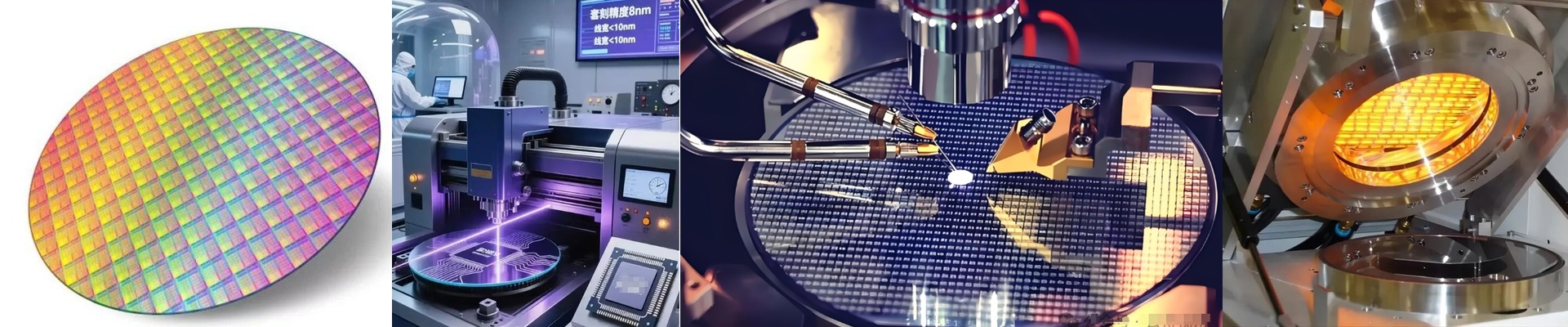
If you’re making bio-sensors on wafers, you know the struggle. Thermal control is everything. If your heat is off, the whole batch is trash. That’s why we use infrared (IR) lamps paired with gold-coated reflectors. It sounds fancy, but it’s actually just about common sense: we want the energy hitting the substrate, not leaking into the machine chassis. Why gold? Most people stick with aluminum reflectors. The problem is that aluminum absorbs too much energy. It’s wasteful. We switched to high-purity gold because it’s a beast at reflecting infrared light. This isn’t for show. It’s about making sure every single watt of power actually goes where it belongs—right onto the wafer. By tweaking the shape of the reflector and the thickness of that gold layer, we can cram a lot of heat into one spot. It’s fast. Really fast. And that means you hit those curing and bonding temperatures in a fraction of the time. The trade-off (and how to handle it) Here’s the thing: when you crank up the power density like this, things get hot. Like, really hot. Those gold reflectors amplify the heat, which is great for the wafer, but it puts a ton of stress on your cooling system. If your air-cooling or water-jackets aren’t up to the task, your lamp housing is going to overheat. That’s a quick way to burn out your filaments. Also, keep an eye on your power supply. Make sure it matches your lamp wattage exactly. You don’t want a random voltage spike popping your quartz envelope in the middle of a run. Putting it into practice The best part is that these lamps just slide right into most standard IR heater setups. You get a much tighter thermal footprint. That means less “heat bleed” hitting the sensitive parts of your gear. You’ll notice the temperature across the wafer feels more uniform—no more annoying cold spots or inconsistent curing. Just one last tip: check your wiring. These high-output lamps pull a lot of current. You don’t want to find out the hard way that your terminals can’t handle the load.