

Cutting Carbon in Chip Making with IR Heating
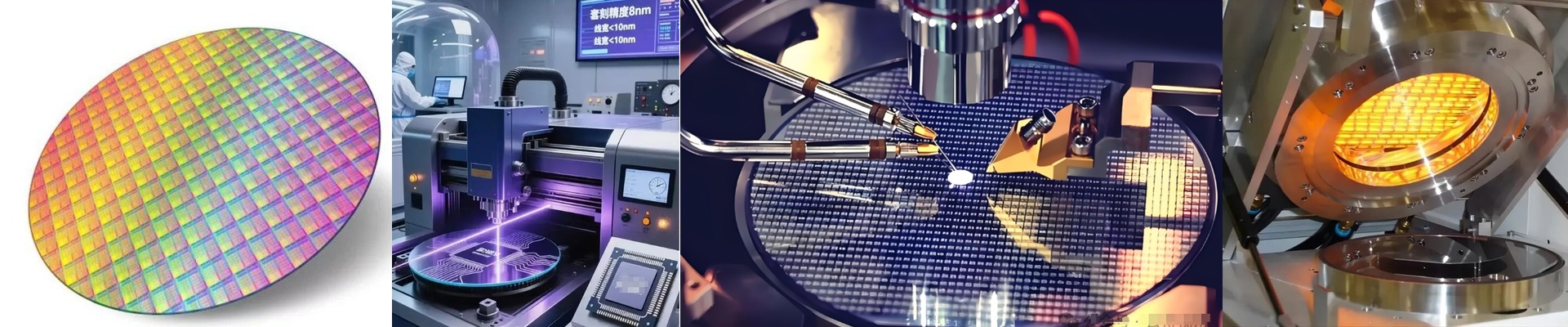
Making semiconductors is all about control. You need the heat to be exact, but you can’t have a single speck of dust or a stray gas molecule ruining your wafer. For a long time, the go-to was convection ovens. But let’s be honest: heating up an entire room just to warm up a small piece of silicon is a massive waste of energy. It’s like heating your whole house just to warm up a slice of pizza. That’s why we’ve moved to infrared (IR) heating lamps. Instead of warming the air, we aim the heat directly at the substrate. It’s cleaner, faster, and it stops the cleanroom’s carbon footprint from spiraling out of control. Why this actually works IR systems use electromagnetic radiation. In plain English? We skip the middleman. We don’t need air to move the heat around, so the wafers heat up almost instantly. Plus, the equipment takes up way less space on the floor. When you stop throwing kilowatts at the surrounding air and focus only on the target, you save a ton of power. That’s where the real environmental win happens. The nitty-gritty of the cleanroom In a cleanroom, “outgassing” is the enemy. If your equipment sheds particles, you’re dead in the water. To stop that, we use high-purity quartz envelopes. They keep the contaminants away from the wafers, even in a high-vacuum setup. We usually go with short-wave output. It’s just better at soaking into silicon and photoresists. But you can’t just crank the dial to 11 to speed things up. If you push too much wattage too fast, you’ll stress the wafer and probably crack it. We use PID controllers to keep things steady, balancing that ramp-up speed with what the material can actually handle. The catch Look, IR isn’t a magic wand. There’s a trade-off. These lamps get incredibly hot at the back of the housing. If you don’t get your cooling manifolds and heat exchangers dialed in, you’ll end up fighting your own HVAC system. It’s a losing battle. And if your cooling fails? Your lamps will burn out fast. Good ventilation isn’t just a “nice to have”—it’s the only way to keep the system from eating itself.