
Why Most Gazebo Heaters Die (And How We Fixed Ours)
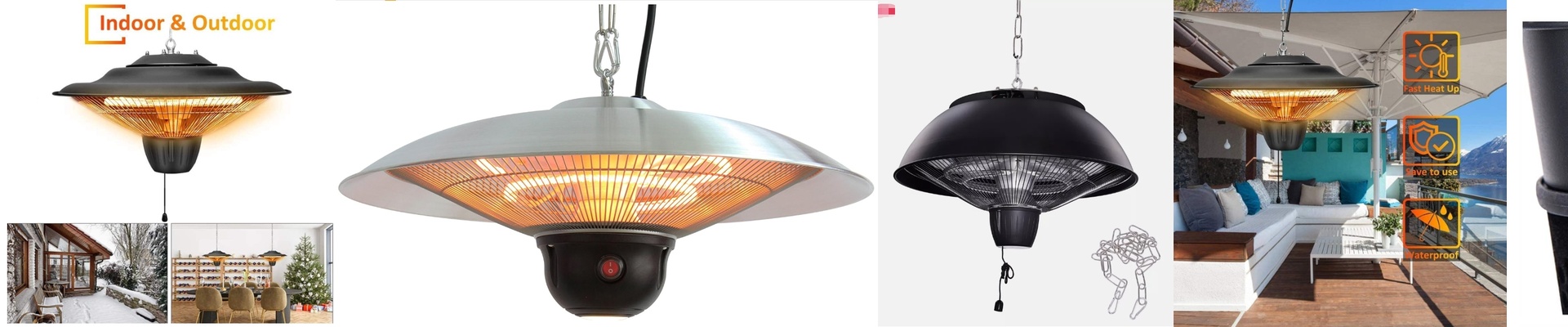
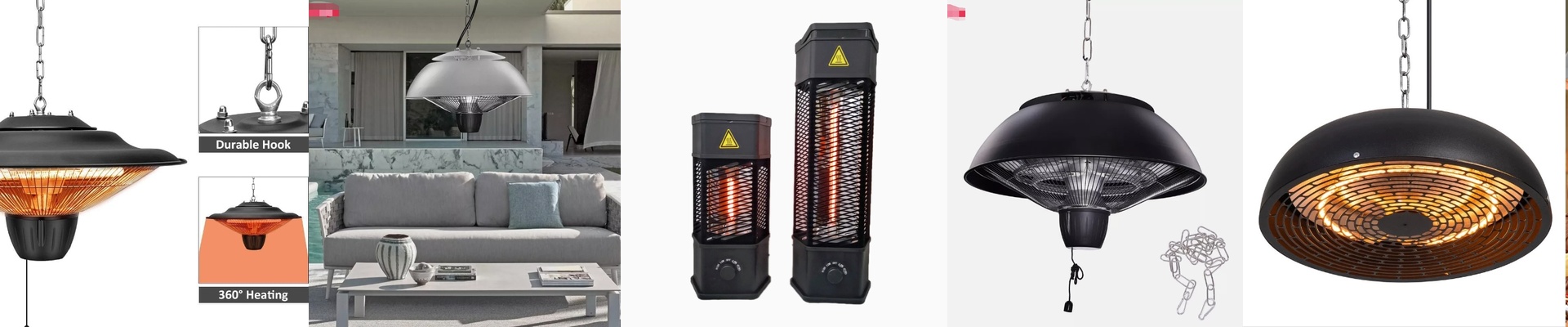
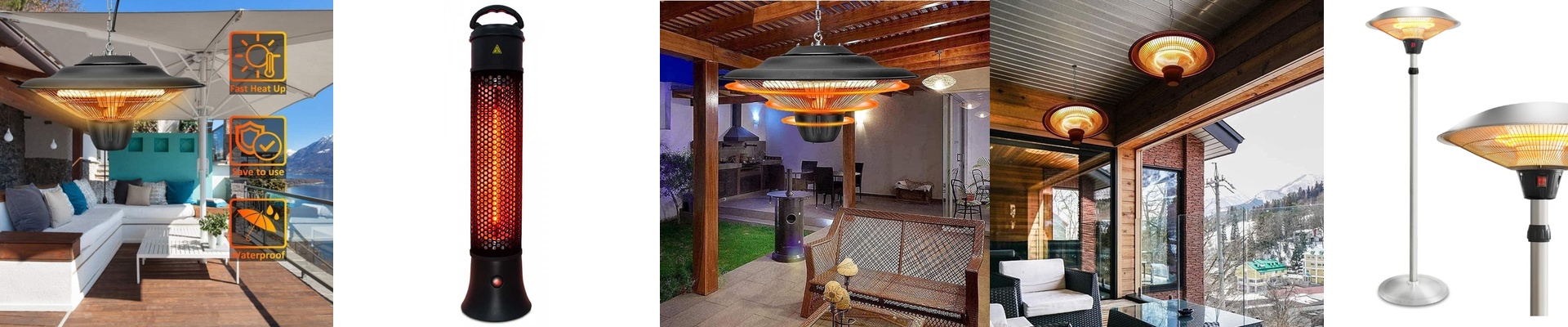
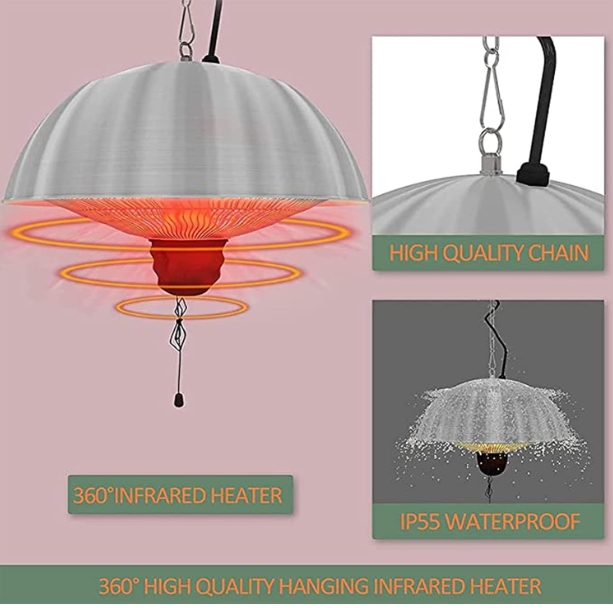
Let’s be honest: putting a heater in a gazebo is a bit of a gamble. You’re basically placing an electrical appliance in a spot that’s half-outside, where it’s constantly fighting humidity, morning dew, and the occasional rain spray. Most units we see in the wild burn out way too fast. Usually, it’s because moisture sneaks in or the lens gets cloudy. It’s frustrating. You just want to stay warm, not worry about your heater shorting out. So, we decided to build our 1500W ceiling units to actually survive the elements. Dealing with the damp Since gazebos are open to the air, your heater takes a beating. We used a sealed chassis and splash-proof gaskets to keep water away from the electrical terminals. Because if water hits that 1500W element? Game over. Short circuit. Then there’s the fog. You know that annoying film that forms on glass when it’s humid? That happens to heater lenses too. It scatters the heat, meaning you feel less of it. We added an anti-fogging layer to the emitter lens to keep it crystal clear. You get a direct line of heat, exactly where you need it. The “Sweet Spot” for Power We landed on 1500W for a reason. It’s enough punch to fight off a chilly breeze in an open gazebo, but it won’t trip your breakers the second you flip the switch. Plus, we use shortwave infrared. Instead of trying to heat up the actual air—which just floats away the moment the wind blows—this tech warms you and your furniture directly. It feels just like stepping into a patch of sunlight on a cold day. A Quick Warning on Setup Here’s the thing: high-wattage heaters get hot at the mounting point. If you wire these into a cheap plastic junction box, that plastic is going to warp. It’s not pretty and it’s not safe. Stick to heat-resistant wiring and metal housings. It’s a small detail, but it’s the difference between a heater that lasts a few months and one that lasts for years. We built these for the long haul. By keeping the mist and splashes out, the internals stay dry, the lamps last longer, and you can actually enjoy your outdoor space without shivering.