Stop Shivering in the Bathroom: A Better Way to Stay Warm
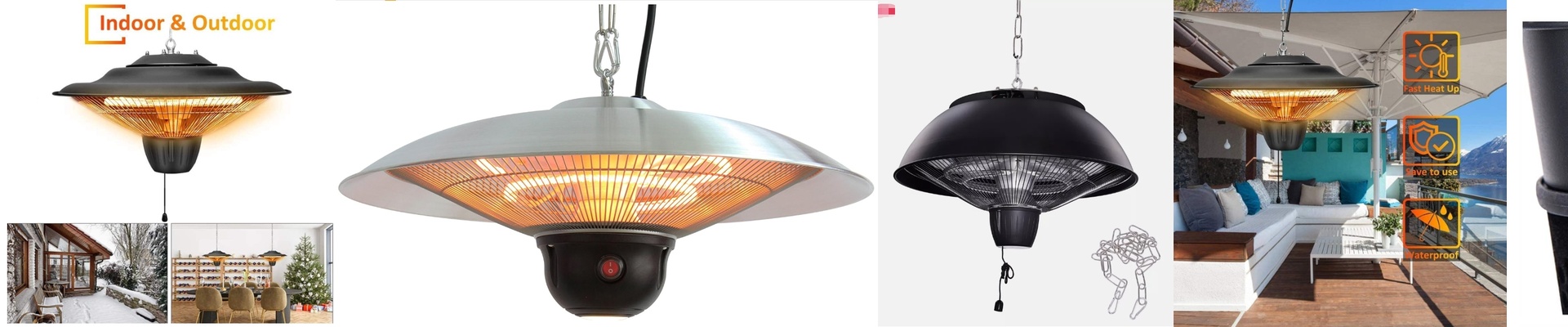
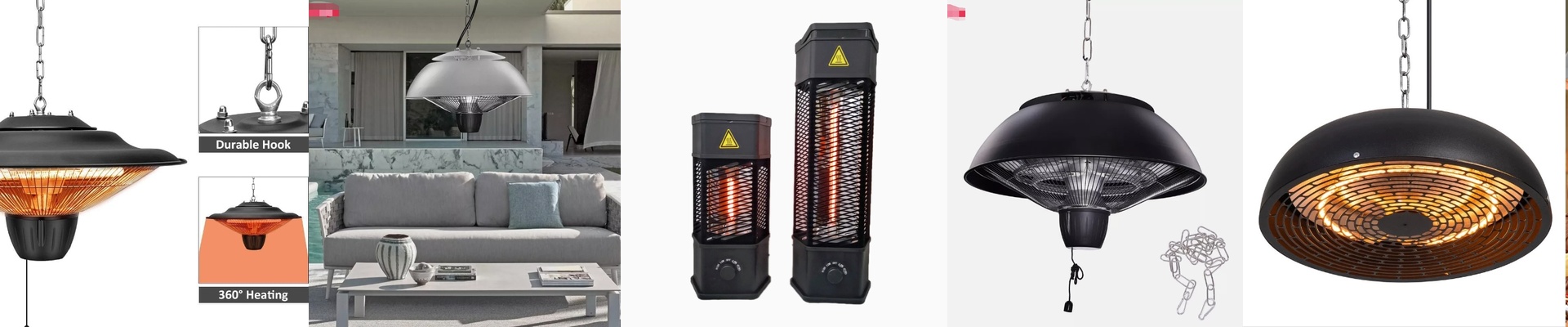
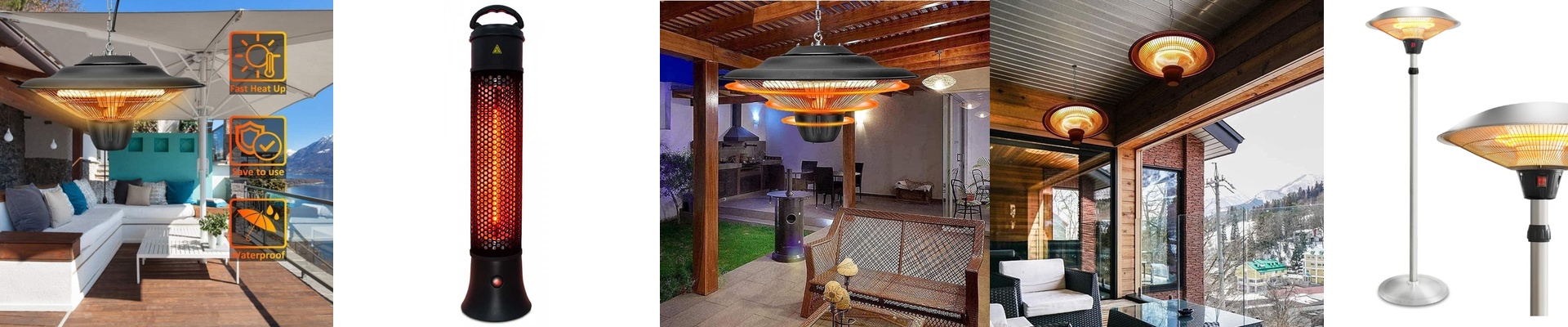
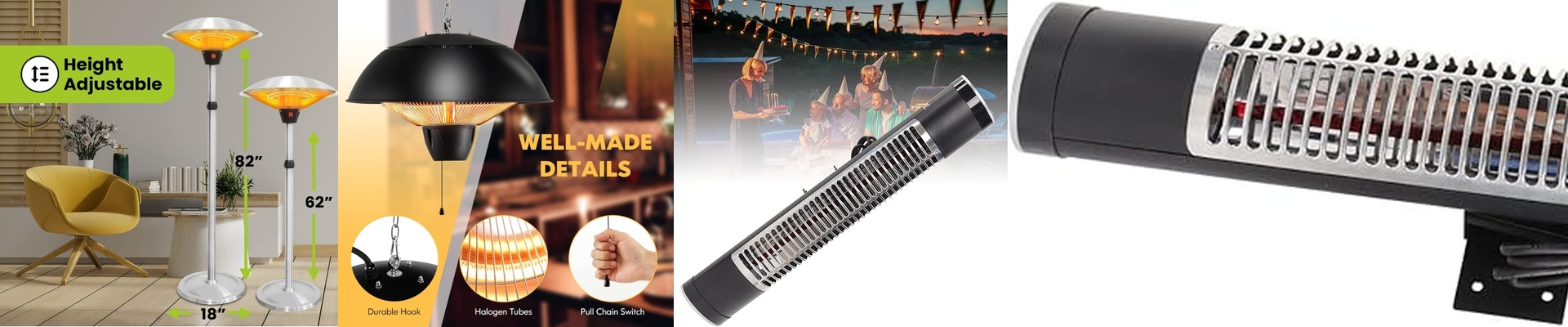
Ever stepped out of a hot shower into a bathroom that feels like a walk-in freezer? It’s the worst. Most people try to fix this with standard convection heaters. The problem is, those things just try to warm up the air. But in a big, open bathroom or a drafty changing area, that warm air just floats away or leaks out the door. You’re left standing there, shivering, while the heater works overtime to warm a room that won’t stay warm. That’s why we use shortwave Infrared (IR) wall heaters. Instead of fighting with the air, these go straight for the target. They beam heat directly onto your skin and the surfaces around you. It’s a totally different experience. Instant warmth Here is the cool part: shortwave IR is fast. Like, really fast. The second you flip the switch, the filament hits its peak temperature in a fraction of a second. You don’t have to wait ten minutes for the room to “warm up.” You feel the heat immediately. It turns a freezing cold corner into a cozy sanctuary almost instantly. Built for the steam Let’s be honest—bathrooms are brutal on gear. Between the humidity and the salt air, most electronics just give up. To stop that from happening, we wrap the filaments in quartz glass. Quartz is great because it doesn’t crack when it goes from ice-cold to scorching hot in a heartbeat. We also seal the internal housing tight so the moisture can’t get in and fry the guts of the machine. One tip: pay attention to your tiles. Tiles act like “cold walls” that suck heat out of the room. Depending on how high your ceilings are and how much stone you have, you’ll want to pick your wattage carefully. Just make sure your circuit breakers can handle that initial surge of power when you turn them on. Where to put them Wall-mounting is the way to go because it keeps your floor clear. But placement is a bit of a science. If you mount the heater too high, the heat just wanders off before it reaches you. Too low? You might actually overheat the wall itself. And remember, this heat is directional. It works like a flashlight—if you aren’t standing in the beam, you aren’t feeling the warmth. When you’re planning the room, you have to map out exactly where people will be standing so you don’t end up with any annoying cold spots.