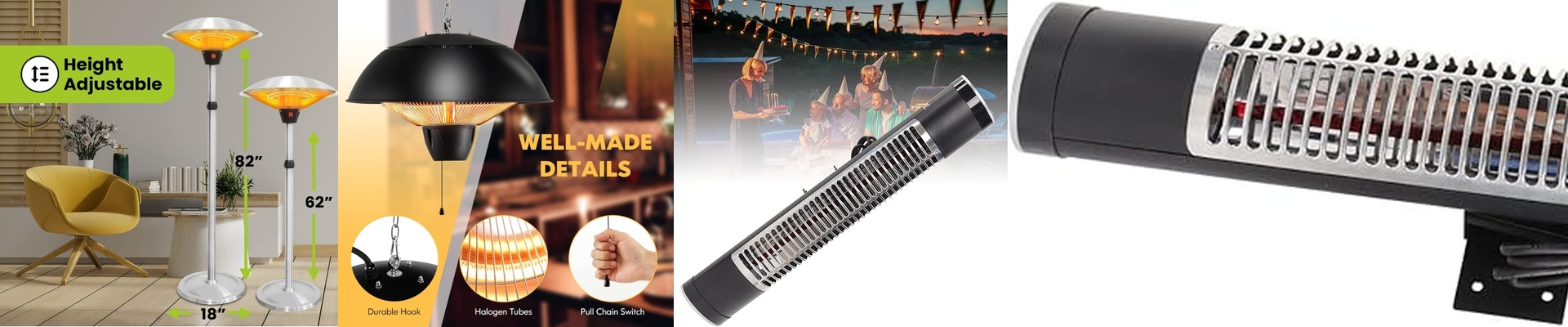

Why we’re swapping out old bathroom lamp warmers for high-IP infrared heaters
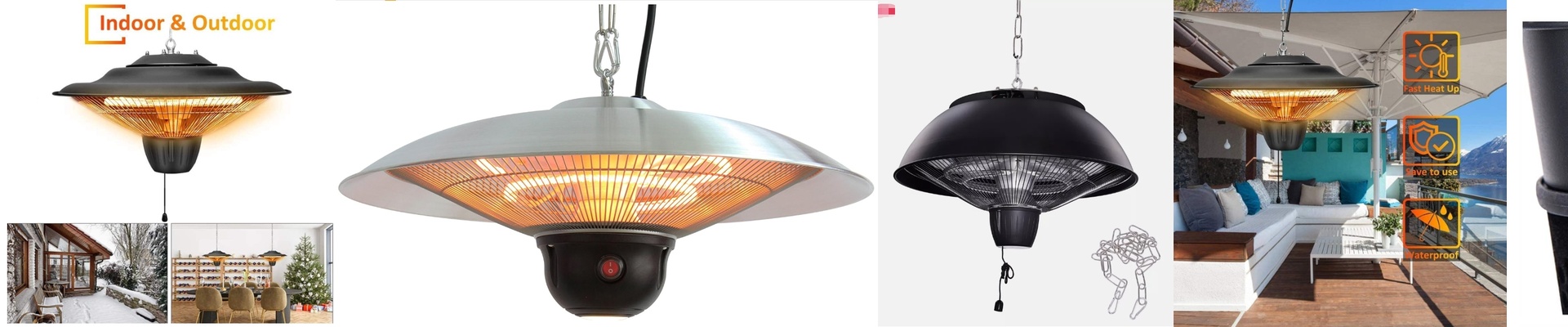
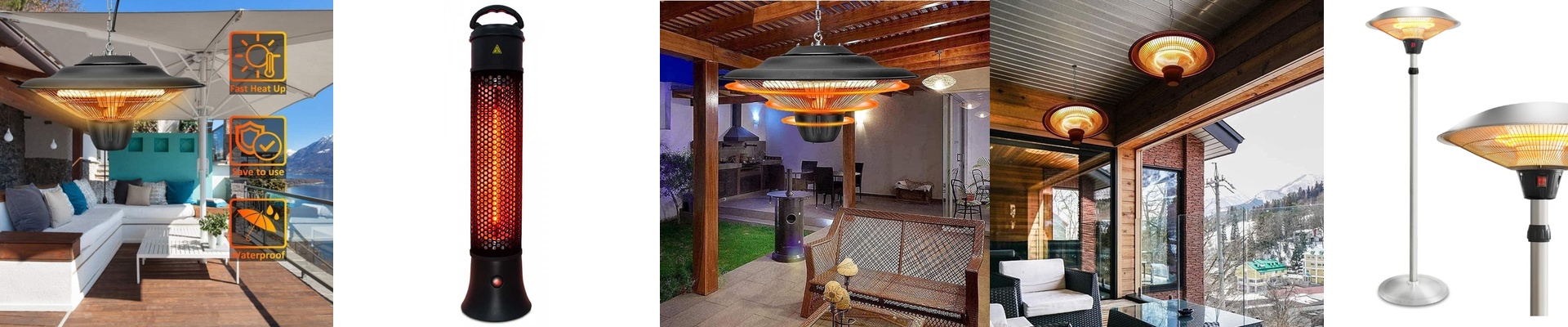
If you’ve ever had a bathroom heater just… die… you know the frustration. Most of those old-school “lamp warmers” are pretty flimsy. They use basic quartz tubes that aren’t really sealed. Here’s the problem: bathrooms are steamed up. That moisture finds its way into the housing, hits the electricals, and boom—short circuit or a burnt-out filament. It happens all the time. That’s why we’ve been moving toward high-standard waterproof infrared heaters. They actually handle the damp. The deal with moisture Standard heaters just aren’t built for steam. But a heater with a high IP rating is a different story. It uses tight gaskets and housings that don’t rust. It keeps the water vapor away from the terminals. When you’re picking a heater, that IP rating is basically the difference between a unit that lasts for years and one that quits after two months. We use specialized seals so the guts of the machine stay bone-dry, even when the room feels like a sauna. Heat you can actually feel Most heaters try to warm up the air. But if you have high ceilings, that heat just floats up and hangs out at the top of the room. You’re still shivering. Infrared is different. It sends out waves that hit your skin and the surfaces around you directly. You feel it instantly. It doesn’t matter how high your ceiling is; the warmth just hits you. It’s a much more comfortable experience. A few things to watch for during install The good news? These usually slide right into the spot where your old fixtures were. You just wire them into the existing ceiling circuit. But a heads-up: infrared tubes pull a lot of power. If your wiring is too thin or your breakers are old, you might trip the power the second you flip the switch. I’d also suggest checking your voltage. These heaters can take a beating from the humidity, but “dirty” or unstable power will wear out the heating element faster than it should. Just stick to the recommended wattage, and you won’t have to worry about the housing overheating.