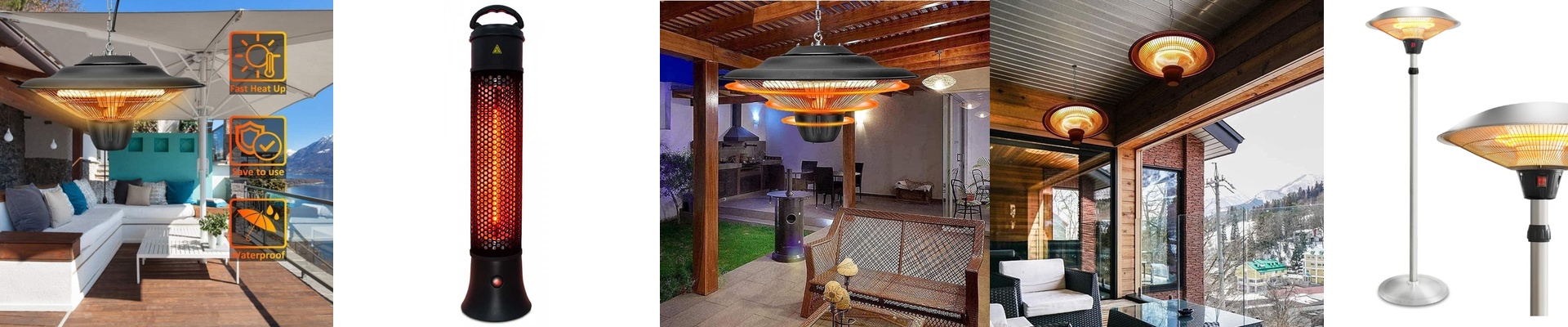
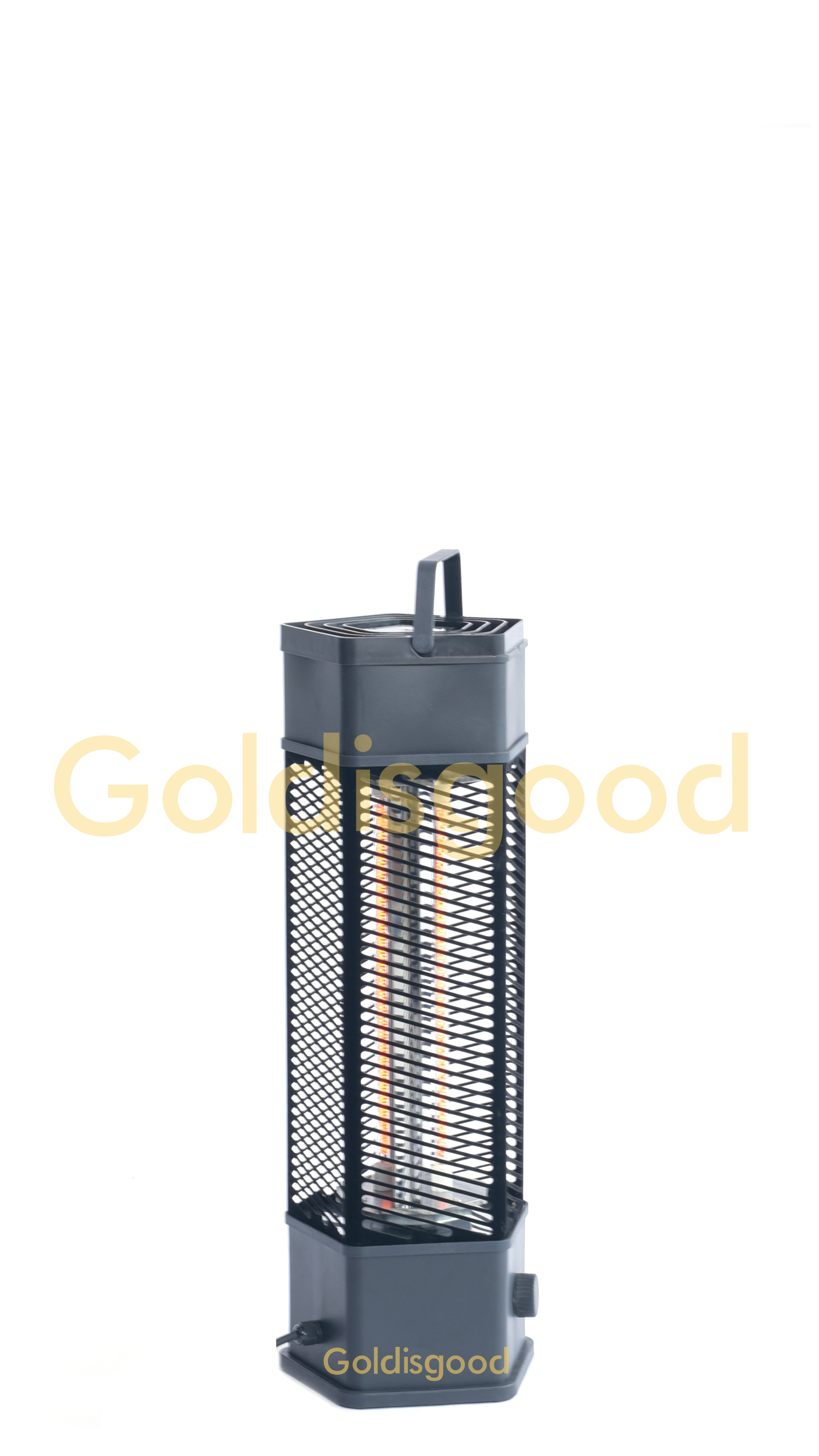
Keeping Infrared Heaters Safe in Steamy Bathrooms
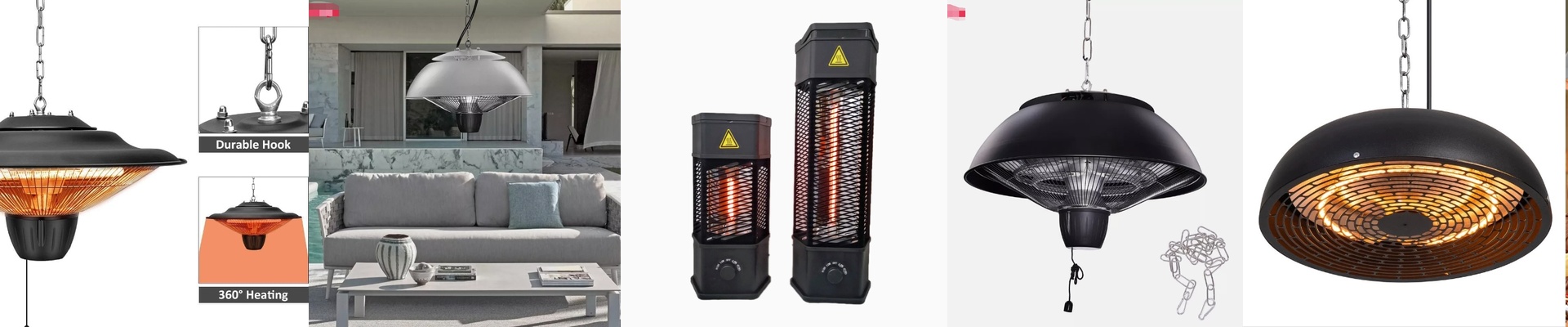
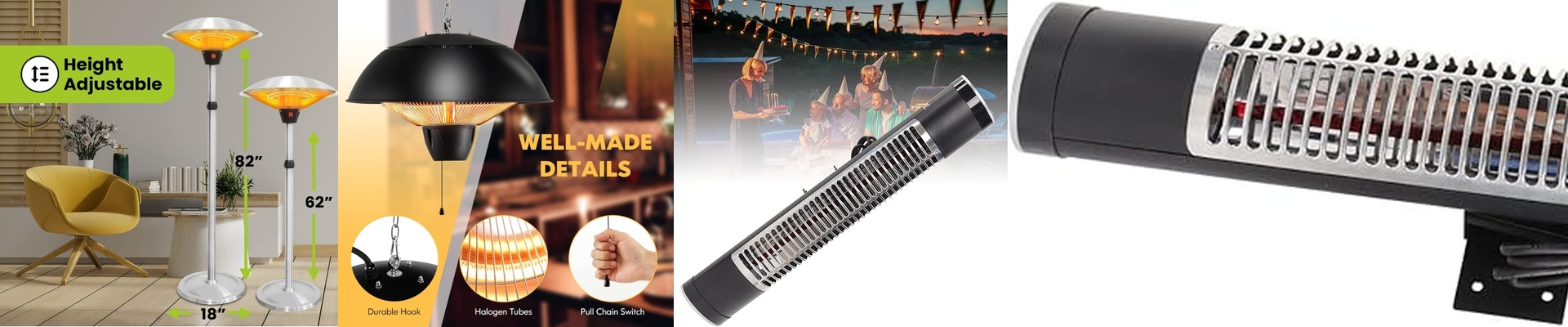
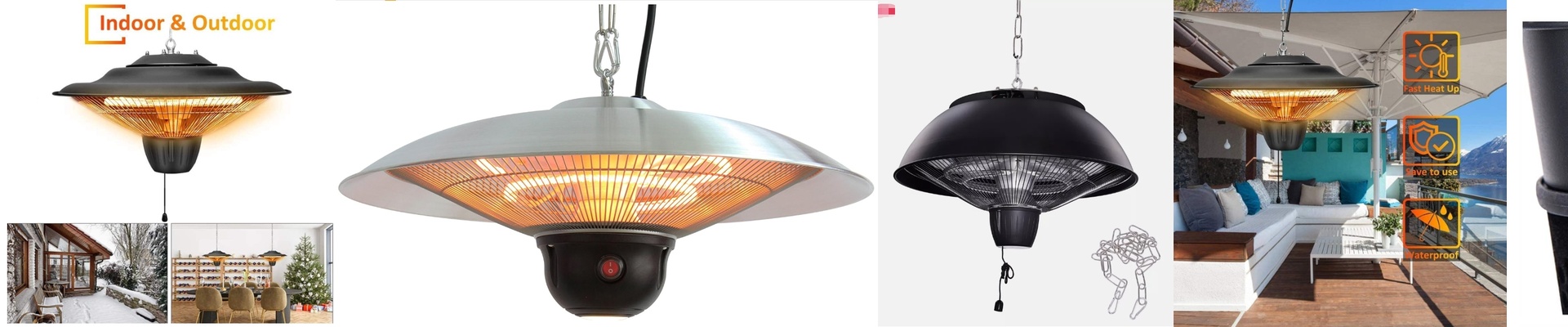
Putting infrared lamps in a bathroom or a sauna is a bit of a gamble if you aren’t careful. You’ve got heat, water, and electricity all in one spot. That’s a recipe for a short circuit if the insulation isn’t spot on. When we talk about an IP55 rating, it isn’t just about slapping some plastic over the unit. It’s about making sure the electricity stays exactly where it belongs.
Dealing with the Damp
Here’s the thing about bathrooms: condensation is everywhere. Those tiny water droplets don’t just sit there; they crawl. They find their way toward the electrical contacts, looking for a way in. To stop that, we use sealed gaskets and a special kind of moisture-resistant “potting” compound at the wire entries. Think of it like a waterproof plug. It keeps the water from creeping into the live terminals and causing a disaster.
Making it Actually Safe to Touch
Nobody wants to worry about getting a shock while they’re getting ready in the morning. We use a double-insulation approach to keep things safe. The heating element is tucked inside high-purity quartz, but the real magic is at the connection points. We use reinforced ceramic insulators and heat-shrink tubing with a glue lining. This stops “tracking”—that annoying phenomenon where moisture creates a tiny, invisible bridge for electricity to travel across the surface of the insulator. And please,ground your chassis. Even with the best seals, things happen. A casing can get breached. That’s why a GFCI (Ground Fault Circuit Interrupter) isn’t optional—it’s a must.
The Trade-off
There is a catch, though. When you seal a heater tight to keep the water out, the heat can’t escape as easily. It’s like wearing a heavy coat in the summer; the internals run much hotter than they would in an open-air industrial setting. Keep this in mind when you’re picking your wattage. If you push too much power into a small, sealed box, you’ll probably burn out the lamp filaments way sooner than you should.Balance is key here.