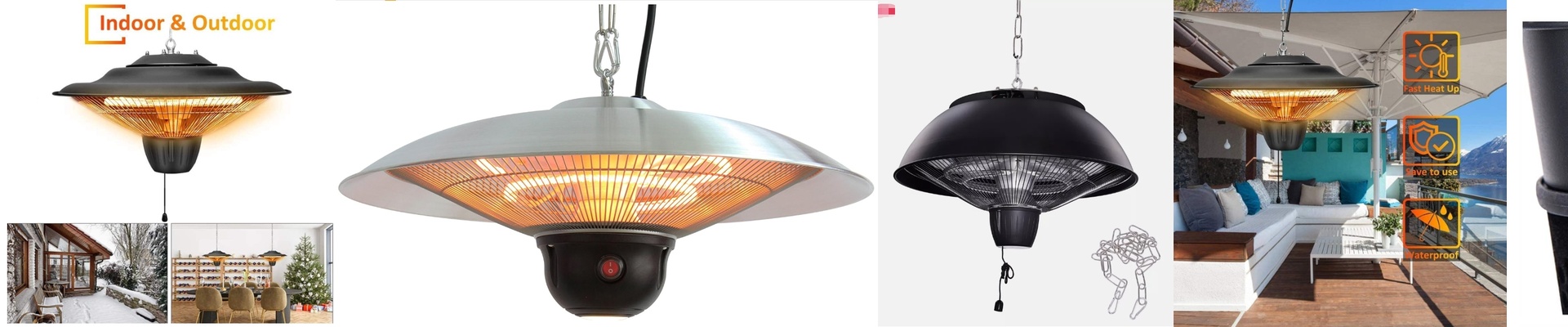
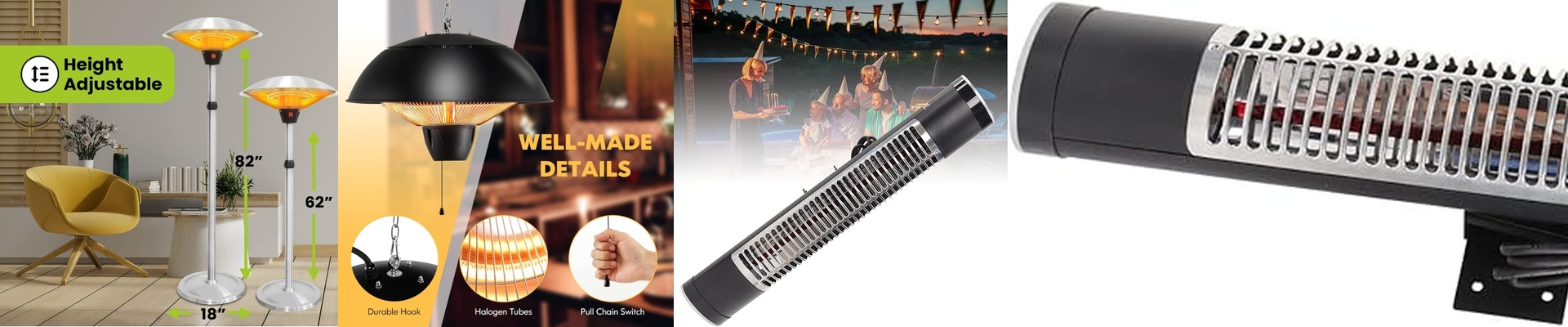
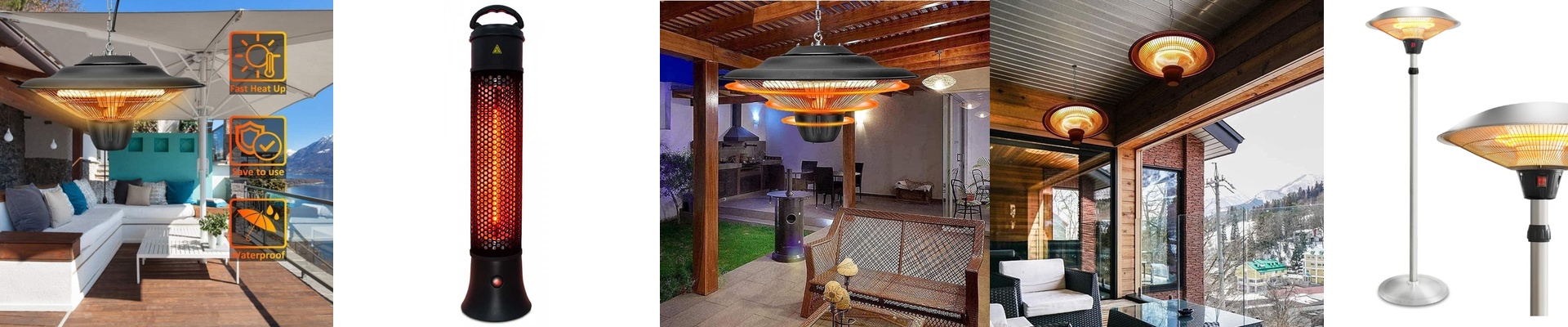
Keeping the Heat, Losing the Glare: The Secret to Better Bathroom Lamps
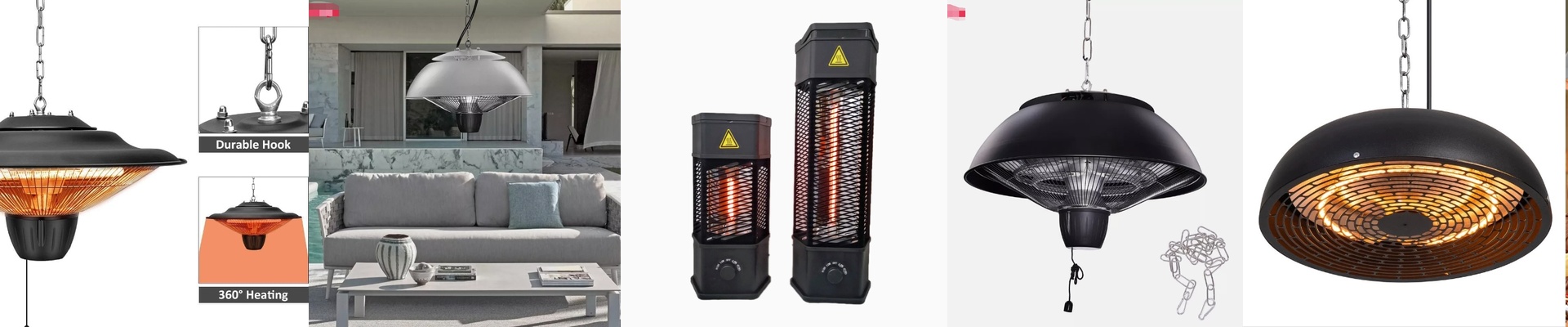
Ever stepped into a bathroom on a freezing morning and turned on a heater, only to feel like you’re staring directly into the sun? It’s jarring. Most bathroom heaters use short-wave infrared radiation to get you warm instantly. That part works great. The problem is that standard halogen bulbs don’t just give off heat; they blast out a wide spectrum of light. We’re talking high-intensity blue light and a level of glare that can really strain your eyes. And if you’ve got a baby in the house, it’s even more concerning since their eyes are way more sensitive than ours.
Taming the Light
So, we had to figure out a way to keep the warmth but kill the glare. We started by messing with the spectral distribution. By using special quartz envelopes and internal coatings, we can basically “filter” out those harsh visible frequencies. We keep the infrared peak right where it needs to be (between 0.7 and 1.4 micrometers) so the energy actually hits your skin and warms you up, instead of just bouncing around as a blinding light. We also tweaked the filament temperature. By balancing the wattage and voltage, we can dial down the brightness without losing the heat density you need to take the chill out of a damp room.
The Trade-offs
Getting that “soft light” feeling isn’t just about the bulb itself. We also use frosted diffusers and precision reflectors to scatter the light. It stops those annoying “hot spots” from hitting your retina. Now, here’s the catch. Whenever you add a coating or a diffuser, you lose a little bit of raw heat efficiency. You might see a 5-10% drop compared to those clear-glass industrial lamps you see in warehouses. But we fixed that by optimizing the reflector geometry. We basically shaped the reflectors to focus the IR rays exactly where you actually want them.
A Quick Tip on Installation
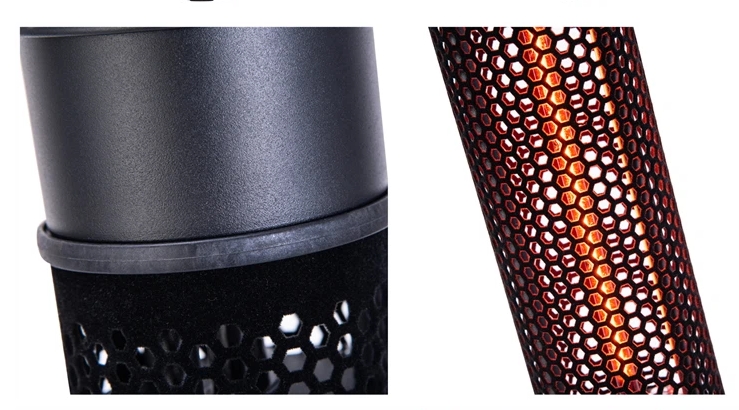
If you’re wiring these into a fixture, just make sure the housing can handle the “heat soak.” Even though the light is easy on the eyes, that quartz tube still gets incredibly hot. Make sure there’s plenty of ventilation in the lamp head. You don’t want your casing warping because the heat had nowhere to go.