Stop Heating the Air and Start Heating People
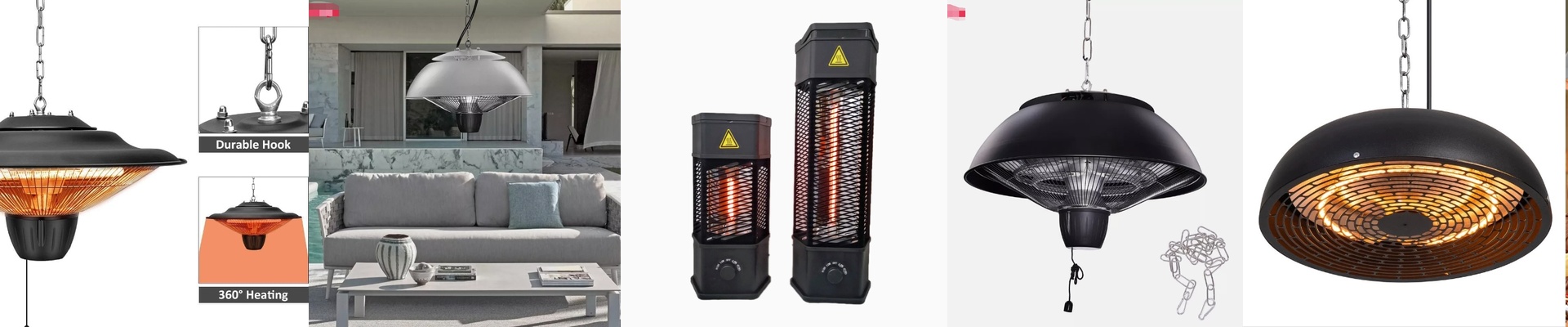
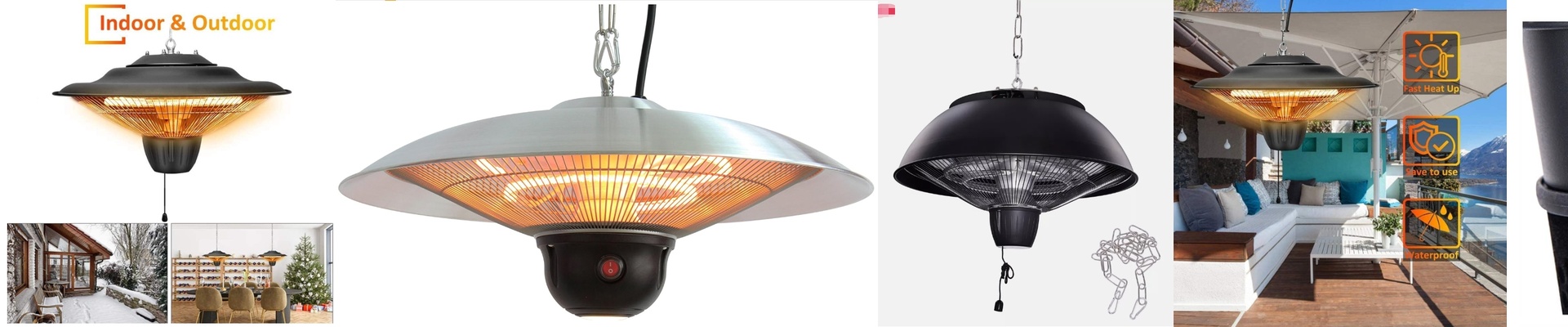
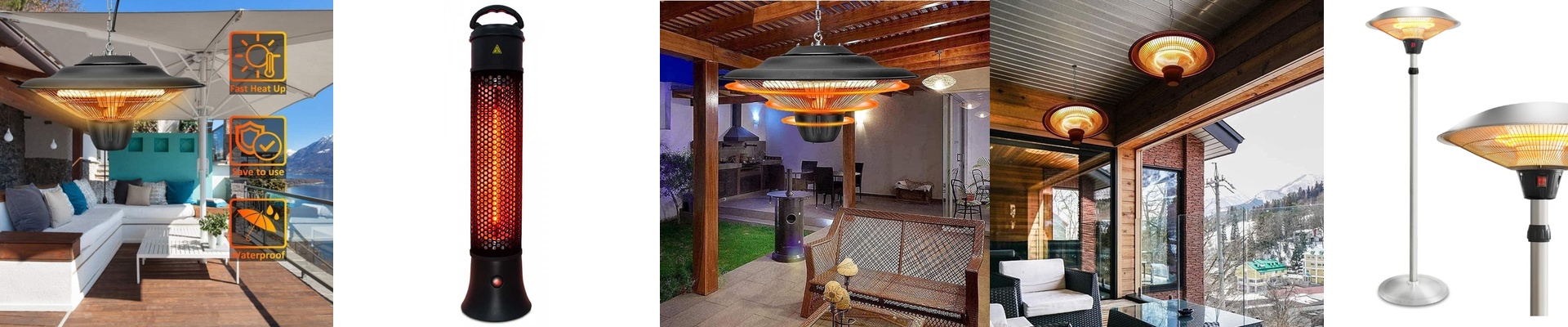
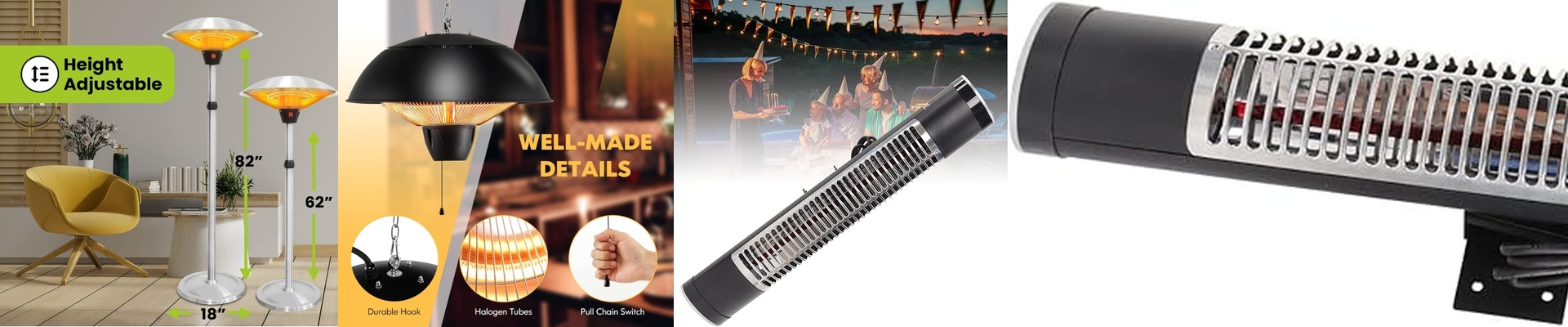
Ever stepped out of a shower in a drafty changing room and felt that immediate, bone-chilling shiver? Most bathroom heaters try to fix this by warming up the air. It’s a waste. The second someone opens the door, all that expensive warmth just floats away. We do things differently. We use short-wave infrared (IR) technology. Instead of waiting for the air to warm up, these heaters send heat straight to your skin and the surfaces around you. It’s like stepping into a patch of sunlight on a cold day. You feel it instantly. How the magic happens Inside these units, we’ve got a tungsten filament tucked inside a high-purity quartz tube. It creates a concentrated burst of energy that travels in a straight line. It doesn’t scatter or get lost. When that energy hits a solid object—like a shivering person—it turns into heat right on contact. The nitty-gritty on the hardware To get that punchy heat, we use halogen-filled quartz tubes. They can handle much higher temperatures than your average lamp, which means we get more warmth out of every millimeter of the tube. But heat that intense can make glass crack. To stop that, we use specialized glass seals and R7s or SK15 connectors. They keep the electrical connection tight and secure, which is a must when you’re dealing with damp, steamy environments. Plus, some of our models have a gold or aluminum coating on the quartz. This acts like a mirror, bouncing the heat forward onto the floor where it’s actually needed, rather than letting it leak up toward the ceiling. A few things to keep in mind Here’s the catch: because IR heat is so intense and localized, placement is everything. If you mount the heater too low, it’s too much—you don’t want your customers feeling like they’re being toasted. You have to get the height and angle just right to make sure the warmth spreads evenly. And one last thing? These quartz tubes are fragile. If you’re putting these in a busy commercial gym or a locker room where things get bumped around, you’ll want a rugged outer guard. It keeps the hardware safe from the chaos of a high-traffic zone.