Stop Turning Your Gloveboxes Into Ovens
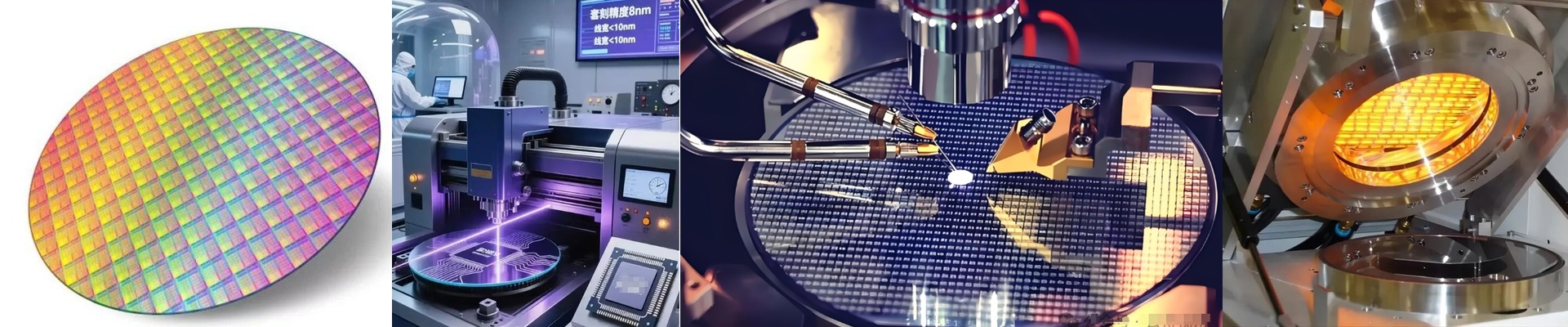
If you’ve ever worked with a semiconductor glovebox, you know the struggle. You need the inside hot for your process, but traditional heaters just blast the air. The result? The inner walls get scorching hot. It’s a nightmare for anyone reaching in, and it can fry your sensors. We found a better way:directional infrared (IR) heating. Here is the trick. Instead of trying to heat the air, IR lamps shoot energy in a straight line. It goes from the lamp directly to your part. The air and the cabinet walls basically get ignored. You get that intense heat exactly where you need it on the workpiece, while the rest of the box stays chill. No more worrying about someone getting burned just by touching the side of the equipment. We spend a lot of time picking the right wavelength—usually leaning toward short-wave IR. This ensures the energy actually sticks to the target material instead of bouncing off the stainless steel walls. It keeps the “hot wall” problem from happening in the first place. But look, it’s not a perfect fix for every single scenario. Since the heat is so focused, you deal with steep thermal gradients. If your part has a weird shape, you’re going to get cold spots. You can’t just slap these lamps in anywhere; you have to get the positioning exactly right. And a heads-up on the power side: high-wattage IR elements are hungry. They pull a lot of current. If your wiring or controllers aren’t up to the task, you’ll end up burning out your relays. Still, once you get the setup dialed in, it’s a win. You get your ramp-up speeds, your process stays stable, and the chassis stays cool to the touch. It just makes the whole workspace safer.