Keeping the Heat Where it Belongs in Semi Fab Gear
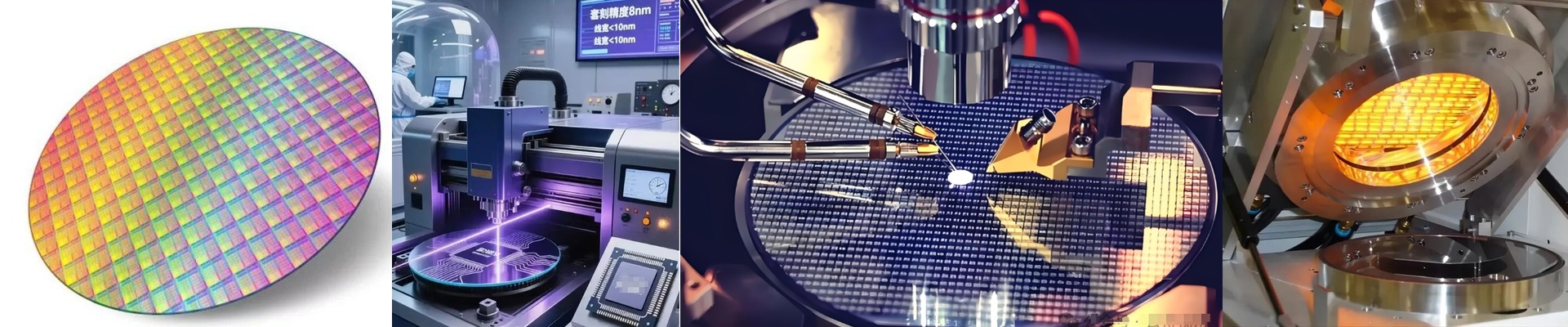
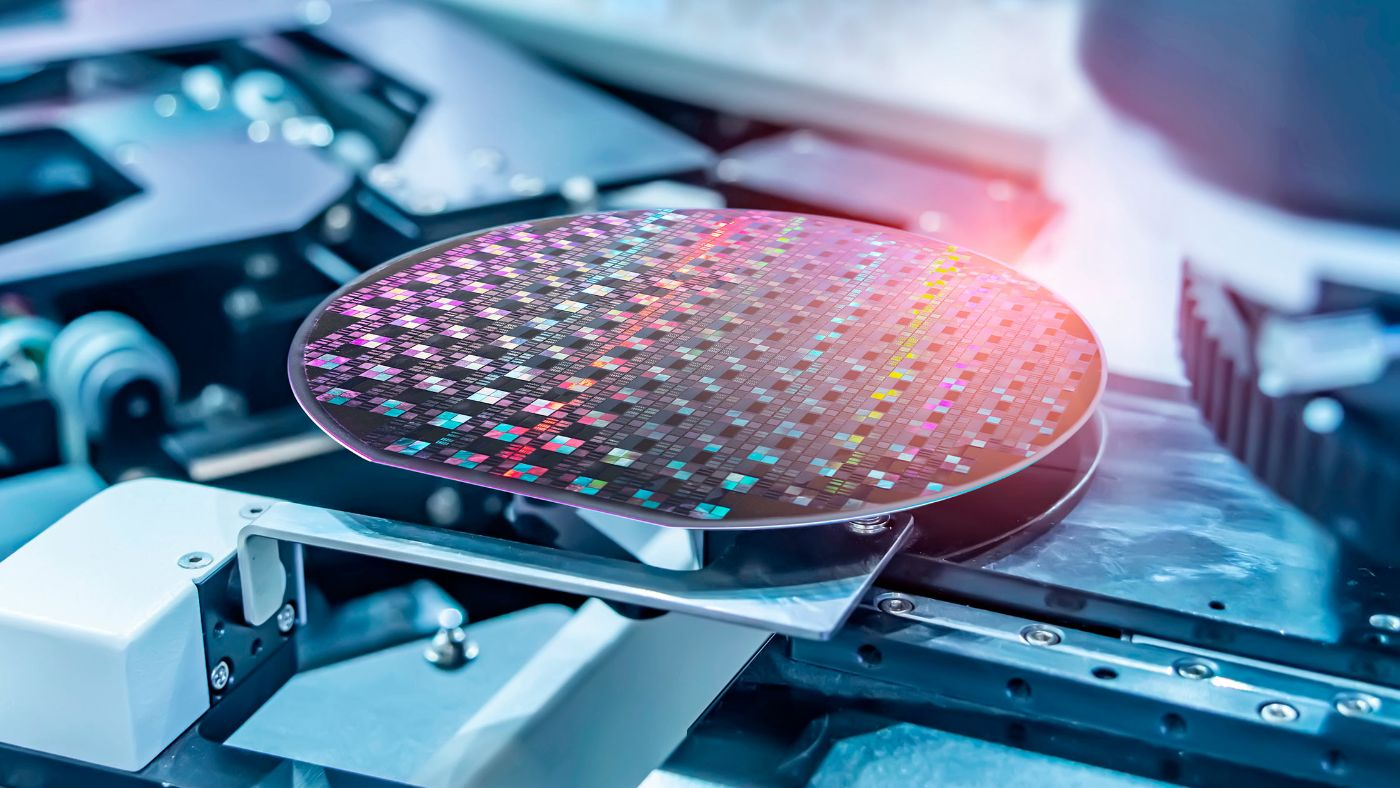
High-power IR lamps put out an insane amount of heat. In a semiconductor fab, that energy has one job: hit the wafer. Period. If you don’t keep that heat in check, it starts bleeding into the machine walls. Before you know it, the inner chassis is scorching to the touch, your sensitive electronics are frying, and you’ve got a genuine safety nightmare on your hands. Getting the heat to go where you want The problem is that standard IR lamps blast energy in every single direction—a full 360 degrees. To stop that, we use quartz glass shields. Think of these as thermal barriers. They block the heat that wants to wander off into the tool’s chassis and force it back toward the target. It’s the only way to get the wafer up to temp without turning the entire machine into an oven. Why we stick with quartz We use quartz because it doesn’t freak out under pressure. If you used regular glass, it would shatter the second the lamp hit full power. Quartz can take that kind of thermal shock and keep on ticking. It lets the shortwave IR radiation slide right through, but it stops the convective heat from drifting. One catch, though:**you have to keep these things spotless.**If a bit of dust or some organic gunk gets on the quartz, it’ll burn off. That creates “hot spots,” which means your wafer heats unevenly. In a bad scenario, the shield just gives up and fails. The balancing act Of course, nothing is free. Adding a shield means you lose a little bit of the lamp’s total punch. To make up for that loss, you might have to crank up the wattage or move the lamp closer. But here’s the thing: if you over-spec the lamp to compensate, your cooling system has to work harder to handle the extra ambient heat. It’s a constant tug-of-war between pinpoint precision and raw power.