Getting Hydrogen Sensor Curing Right with IR
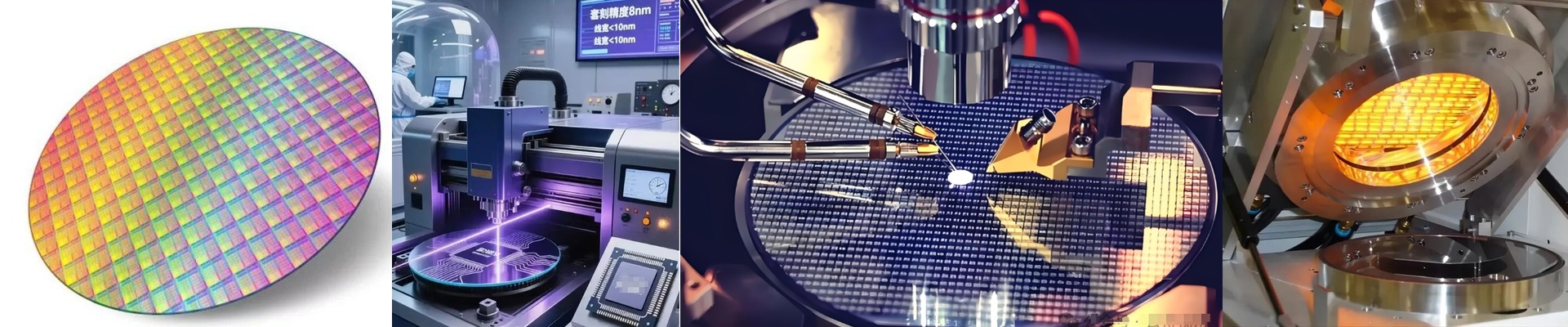
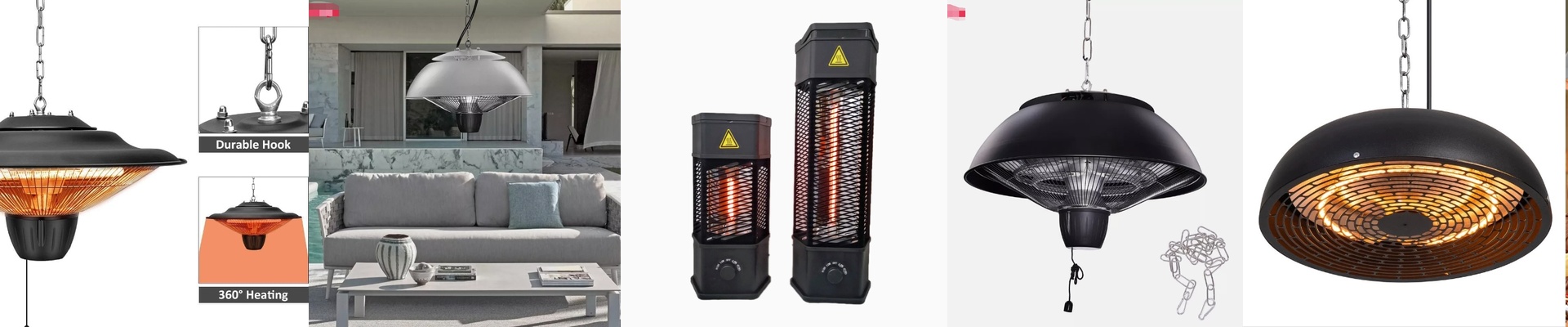
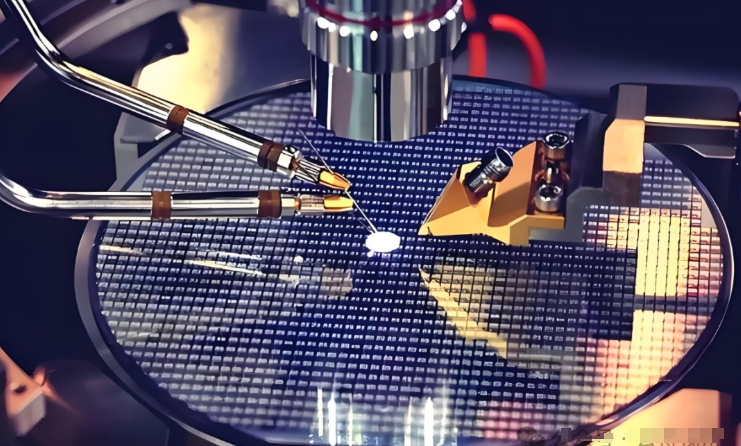
When you’re building hydrogen sensors, the heat is where things get tricky. You’ve got these incredibly sensitive membranes, and if you mess up the curing of your adhesives or conductive pastes, you’ve basically just made an expensive piece of scrap. That’s why we lean on short-wave infrared (IR) heaters. Instead of trying to heat up all the air in a room—which is a waste of time—IR goes straight for the material. It’s direct. It’s precise.
Why IR actually works
Think about a traditional convection oven. It’s a big box of hot air that often lets in contaminants you really don’t want near your semiconductors. IR is different. It uses electromagnetic radiation to push energy right into the substrate. The best part? The speed. When you ramp up the heat that quickly, you avoid “skinning.” You know that annoying thing where the surface dries instantly, trapping solvents underneath and leaving you with bubbles or cracks in the housing? Yeah, IR pretty much kills that problem.
Being “Green” without the fluff
Everyone talks about “lead-free” and “eco-friendly” standards these days, but for us, it’s really about stopping the energy bleed. Running a massive hot-air oven is like heating your whole house just to warm up a slice of pizza. It’s a waste. IR heaters are instant-on. You only use power when the sensor is actually under the lamp. It keeps the cleanroom footprint smaller and means we don’t have to rely on those nasty, VOC-heavy solvents that usually slow everything down.
The tricky bits (The trade-offs)
Now, it’s not all magic. High-intensity IR lamps are powerful—maybe too powerful. If your conveyor belt is off by even a fraction of a second, you can scorch the polymer layers before you even realize it. It happens fast. Because of that, you can’t cut corners on your PID controllers or thermocouples; they need to react in milliseconds. We always suggest using closed-loop feedback so the system can catch a thermal overshoot before it ruins a batch. A few practical tips if you’re setting this up: Use high-temperature cabling. If you use the cheap stuff, the insulation will melt near the lamp housing, and that’s a headache nobody wants. And if you’re switching over from an old convection setup, don’t just copy-paste your old timers. IR penetrates materials differently than forced air, so you’ll need to spend some time recalibrating your cure cycles to get it just right.