

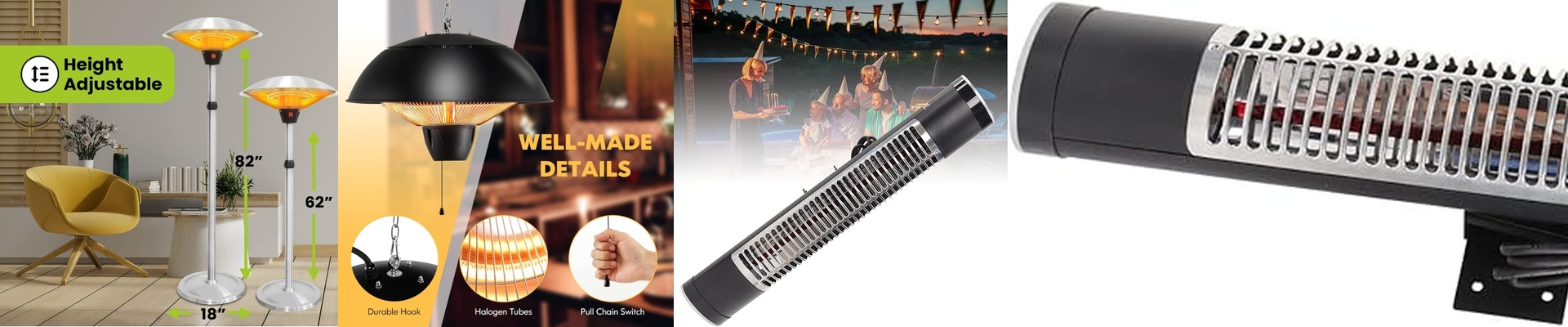


Putting IR Heaters in the Bathroom Without Burning the House Down
Let’s be real: putting high-voltage infrared lamps in a bathroom is a bit like playing with fire. Well, not actually fire, but electricity and steam. When you’ve got 220V running right next to a hot, steamy shower, any tiny gap in your insulation is basically an invitation for a short circuit. Here’s the thing about steam. It doesn’t just sit there; it gets into everything. It finds those tiny cracks in standard seals and settles right on the lamp terminals. Before you know it, you’ve got a conductive bridge from the live wire to the chassis. Not great. To stop that from happening, we don’t just throw a plastic cover over the wires and hope for the best. We use hermetically sealed quartz envelopes and specialized potting compounds. Think of it as “waterproofing on steroids.” Combine that with silicone gaskets and IP-rated enclosures, and your internal wiring stays bone-dry, even in a sauna. What you actually need for the hardware You want a lamp with high-grade quartz glass and reinforced end-caps. The spot where the filament leads meet the glass should be fusion-welded. I usually suggest R7s or similar snap-in connectors. The trick is to keep them recessed inside a waterproof housing. This keeps water from dripping straight onto the contact pins, which is usually where things go wrong. And don’t cheap out on the wiring. Use silicone-insulated cables. These lamps swing from room temperature to 600°C in a heartbeat. Standard wires will crack under that kind of stress, but silicone handles the heat without breaking a sweat. The tricky part: Heat vs. Water Now, there’s a catch. If you seal everything up too tight to keep the water out, you trap all the heat inside the socket. If there’s no way for that heat to escape, you’re just going to bake your own housing until it melts. It’s a balancing act. You need a setup that’s waterproof but still has a smart airflow path to let the heat breathe. One last bit of advice: wire the whole thing into a GFCI breaker. Even if you’re 100% sure your seals are perfect, a GFCI is your safety net. If a seal fails, the power cuts instantly. It’s the only way to sleep easy.