
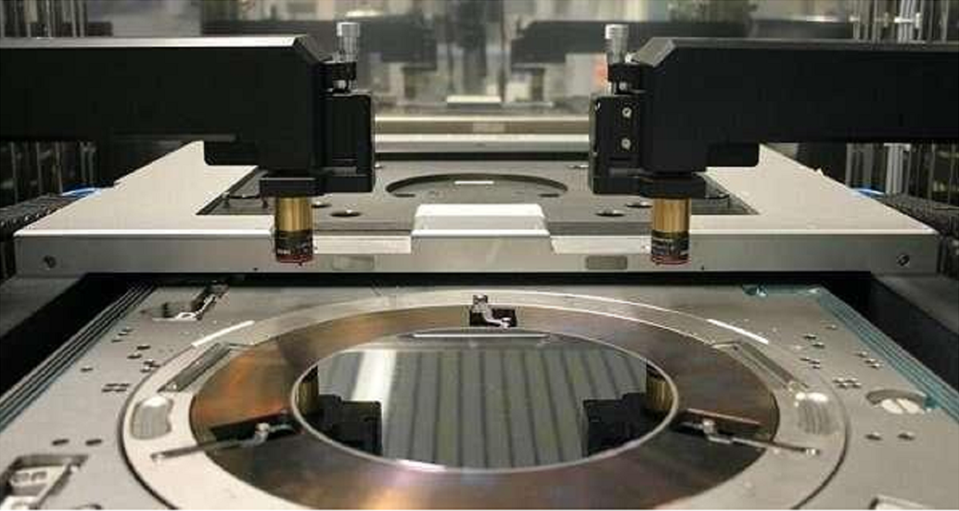
Stop Wasting Heat: Why Gold-Coating Actually Matters
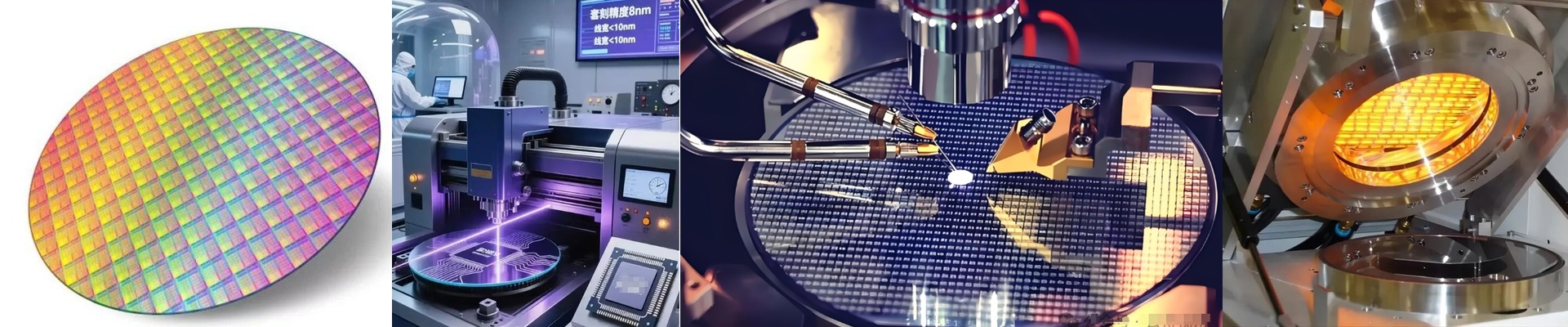
In semiconductor processing, wasting power isn’t just inefficient—it’s a headache. When you’re running high-power heating elements, a lot of that infrared energy doesn’t actually go where it’s supposed to. Instead, it bounces off the chamber walls or just leaks into the housing. It’s like trying to heat a room with the window open. That’s why we use gold-coated reflectors. Gold is incredible at bouncing long-wave infrared radiation right back where it belongs. It ensures the heat hits the wafer surface instead of just warming up the frame of your machine. The science part (kept simple) Aluminum reflectors are common, but they start to struggle as things get hot. They just aren’t as efficient. Gold is different. It stays stable and keeps reflecting across a much wider spectrum. By adding a thin layer of gold to the reflector, we catch those escaping photons and push them back into a tight thermal footprint. The best part? You get more heat on the wafer without having to crank up the voltage. Don’t forget the wires Here’s the thing: when you concentrate that much heat in one spot, your electrical leads take a beating. To keep things from melting down, we pair these systems with Teflon-insulated wiring. It’s a lifesaver. Teflon can handle the brutal temperatures near those gold reflectors without cracking or off-gassing. Because let’s be honest—if your wiring fails, the whole heater is just an expensive paperweight. A few things to watch out for Now, gold isn’t magic. It has its quirks. First, it’s soft. Really soft. If you’re careless during installation or use harsh cleaning chemicals, you’ll scratch it. You have to treat these reflectors with a bit of respect. And one more thing. Gold makes the energy delivery more efficient, but it doesn’t change how much power your lamps are pulling. If your cooling system is too small, all that focused heat can still make your chassis run way too hot. Just make sure your cooling fans are up to the task before you dive in.