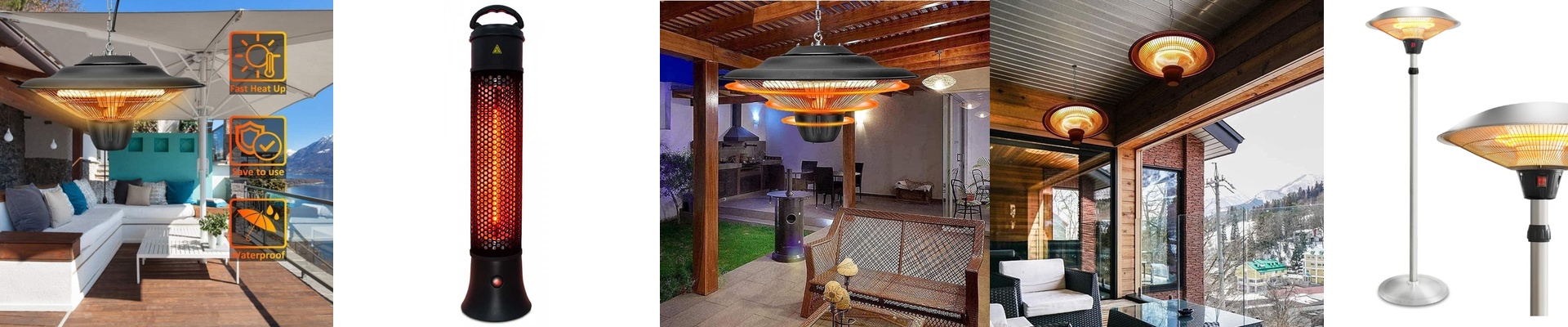
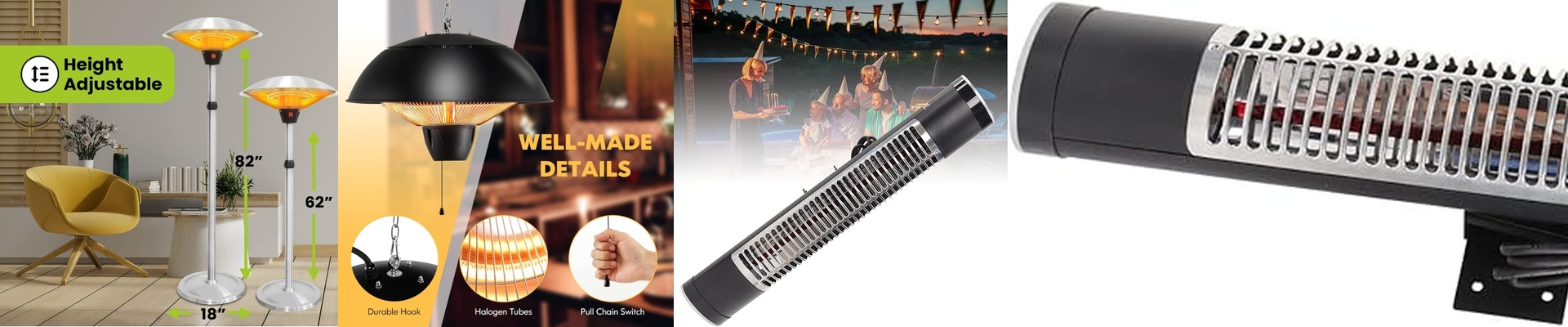

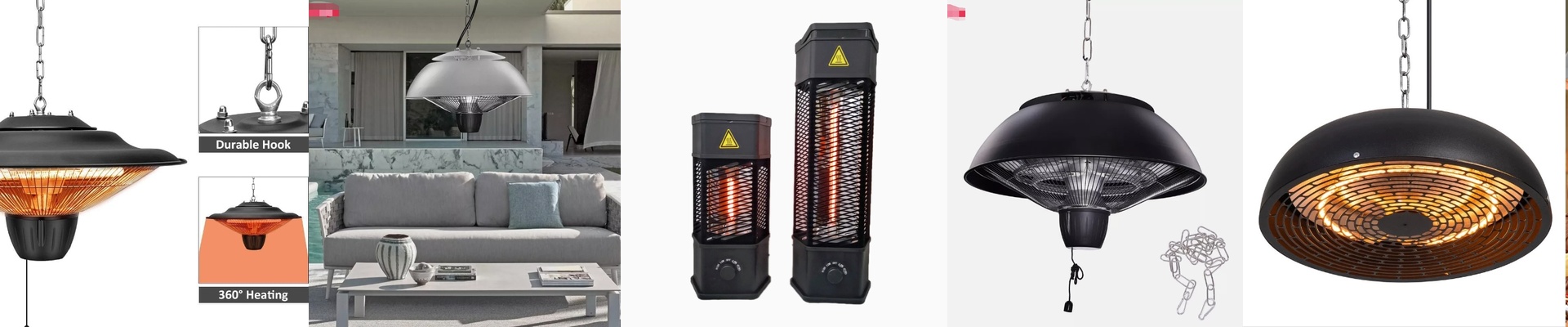

Keeping Your Bathroom Infrared Heaters Safe (And Dry)
Putting infrared lamps in a bathroom is basically a fight against steam. Between the showers and the humidity, water is always trying to find a way in. The biggest headache? The spot where the electrical wires meet the quartz glass. That’s usually where things go south. If water sneaks in there, you’re looking at short circuits or ground faults. Not exactly the vibe you want while taking a relaxing bath.
Getting the Insulation Right
To hit that IPX5 rating—which basically means the thing can handle water jets from any angle—we have to seal the tungsten filament away from everything. We use hermetically sealed end-caps, but the real secret is the high-temp silicone gaskets and epoxy resins. We chose these because they don’t crumble or warp when the heater goes from freezing to scorching over and over again. Before any of these leave the factory, we test the insulation resistance. We want to make sure there’s zero leakage between the live terminals and the chassis. It needs a massive safety margin so that even if the housing gets damp, you won’t deal with any dangerous arcing.
Picking Materials That Actually Last
Everyone knows quartz glass is the go-to for the bulb, but the connectors are where the real battle is won. We use corrosion-resistant alloys for the contacts. Why? Because humidity loves to oxidize metal. Once that happens, you get high resistance, which leads to the socket overheating. It’s a nasty cycle. And we don’t mess around with the wiring. Standard PVC just doesn’t cut it here. We use heat-resistant, moisture-proof jackets so the wires don’t crack and leave the copper exposed.
The Trade-off: Heat vs. Safety
Here’s the thing: when you seal a unit tight enough to keep water out, you’re also trapping heat inside. It’s safer, sure, but the internal temperature of the housing climbs way higher. That’s why your mounting brackets need to be beefy enough to handle that “heat soak.” If you cram the housing into a space that’s too tight, that trapped heat will eventually eat away at your seals. Give the unit some room to breathe. Keep the electrical junctions sealed tight, but let the air move. Your heater will last a lot longer that way.