

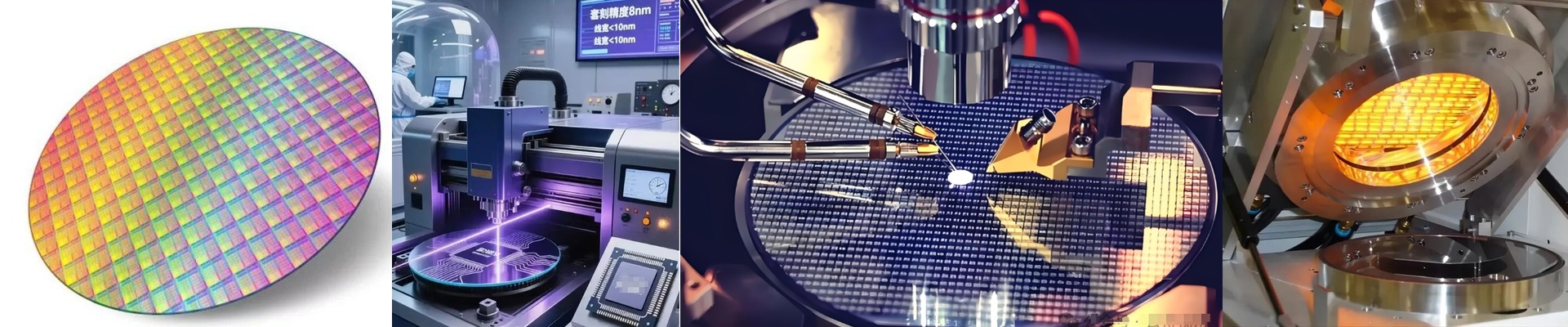
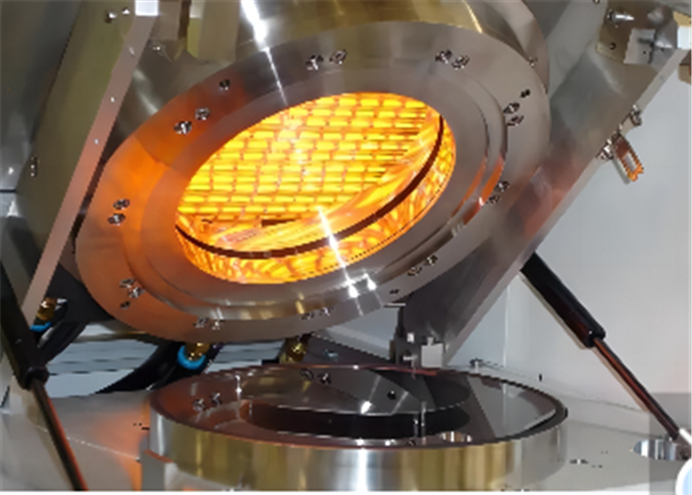
Keeping a Class 100 cleanroom spotless takes a lot more than just a fancy air filter. It’s the little things that get you. One tiny bit of “off-gassing” from a cheap component and your semiconductor wafers are ruined. That’s why we build our high-purity quartz infrared lamps the way we do. We’re obsessed with stopping particulate shedding before it even starts. The deal with the quartz Standard quartz has impurities. When things get hot—really hot—those impurities can flake off or release gases. Not great. We use synthetic high-purity quartz to kill that risk. The tungsten filament does the heavy lifting, pumping out short-wave infrared radiation, while the ultra-pure quartz gives that heat a clear path to your substrate. No metallic drift. No surprises. Heat where you actually need it These lamps pack a ton of thermal density into a tiny footprint. It means you can crank the heat exactly where you need it without warming up the entire chamber. You can pick the wattage and voltage that fits your power rail, but a quick heads-up: high-wattage lamps get intense. Make sure your cooling manifolds are up to the task. You don’t want to deal with melted sockets or warped housings. Fitting them into your setup We’ve stripped out all the organic adhesives and cheap coatings. Why? Because we know they’ll fail a wipe test. We also engineered the seals to survive thousands of thermal cycles without cracking. If you’re using PID control loops, these plug right in for tight temperature control. Swapping them out is a simple drop-in process. We hate complex fasteners that strip and leave metal shavings everywhere, so we stuck with precision fits. One last thing: if you’re running a vacuum, just double-check that your seals are rated for your specific Torr level. It’s the easiest way to avoid a headache-inducing leak.