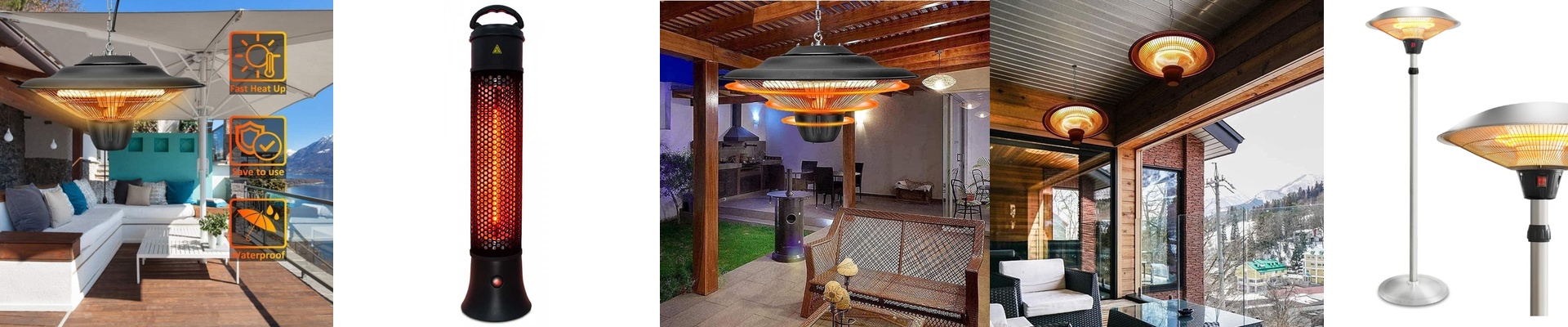
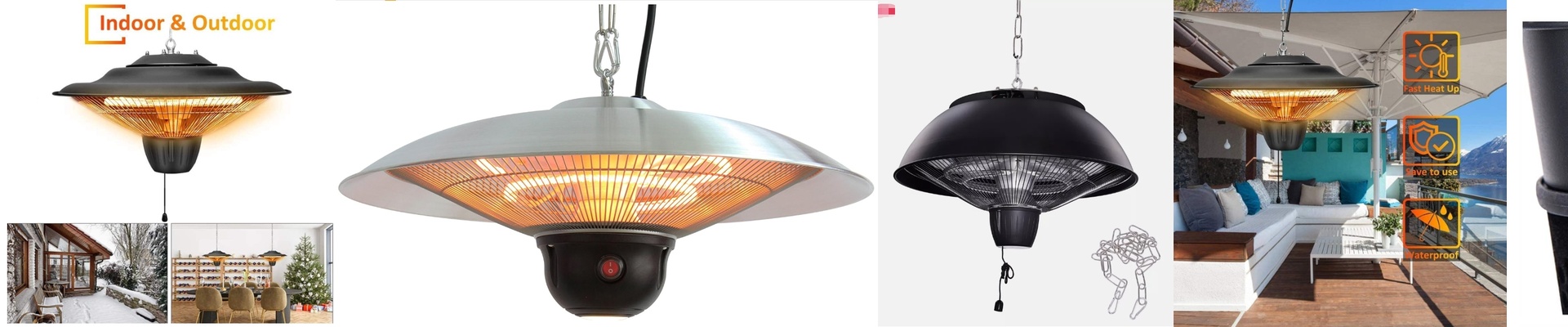
Keeping the Heat, Losing the Glare: A Real-World Look at IP66 Bathroom Heaters
When you’re designing infrared heaters for a bathroom, you’re fighting a constant battle with water. But here’s the thing: the waterproof seal is actually the easy part. The real trick is handling the light. If you’ve ever looked at a standard short-wave infrared lamp, you know that blinding, harsh glare. It’s uncomfortable for adults, and it’s a huge problem for infants whose eyes are way more sensitive. To fix that, we use a specific kind of quartz glass with a special coating. Think of it as a filter. It catches those high-energy blue and green lights—the ones that make you squint and strain your eyes—and stops them cold. But it still lets the long-wave infrared heat slide right through. You get all the warmth on your skin, but none of the blinding light. Now, let’s talk about the IP66 side of things. That rating basically means the unit is dust-tight and can take a direct hit from a powerful water jet without breaking a sweat. We make that happen with tempered glass and high-temp silicone gaskets. But there’s a catch. Because the housing is sealed tight to keep the moisture out, the heat gets trapped inside the chassis. If you’re installing these, just make sure the mounting surface can handle the heat coming off the rear heat sink. It gets hot. There are a few trade-offs, too. Because of that eye-protection coating, the light looks a bit “softer.” It’s much easier on the eyes, but it does mean the lamp takes a tiny bit longer to reach peak temperature compared to a raw halogen tube. It’s a small price to pay for safety. One last tip for whoever is doing the wiring:get the seal right. If that gasket gets pinched during installation, your IP66 rating is gone. Water will find its way to the electrical terminals, and you’ll end up with a short circuit. Keep those seals flush. And when you’re tightening the housing screws, be careful. Use the specified torque so you keep that vacuum seal without accidentally cracking the quartz tube.